In today's rapidly evolving industrial landscape, the gap between a well-designed system and a fully operational one is often bridged by a single, decisive factor: the quality of fabrication and installation services. Whether you are building new infrastructure from the ground up or upgrading legacy equipment, the precision, expertise, and coordination brought to the fabrication and installation phase directly determine long-term performance, safety, and profitability.
Industrial operators across oil and gas, biogas, data centers, manufacturing, and energy sectors increasingly recognize that fragmented service models, where fabrication and installation are handled by separate, disconnected vendors, introduce costly delays, misalignments, and reliability risks. An integrated approach, where the same engineering-led team handles both fabrication and heavy equipment installation, is not just more efficient: it is becoming the industry standard for mission-critical projects.
Integrated Delivery
One team from engineering through fabrication to field installation: eliminating handoff gaps that create risk.
Precision Fabrication
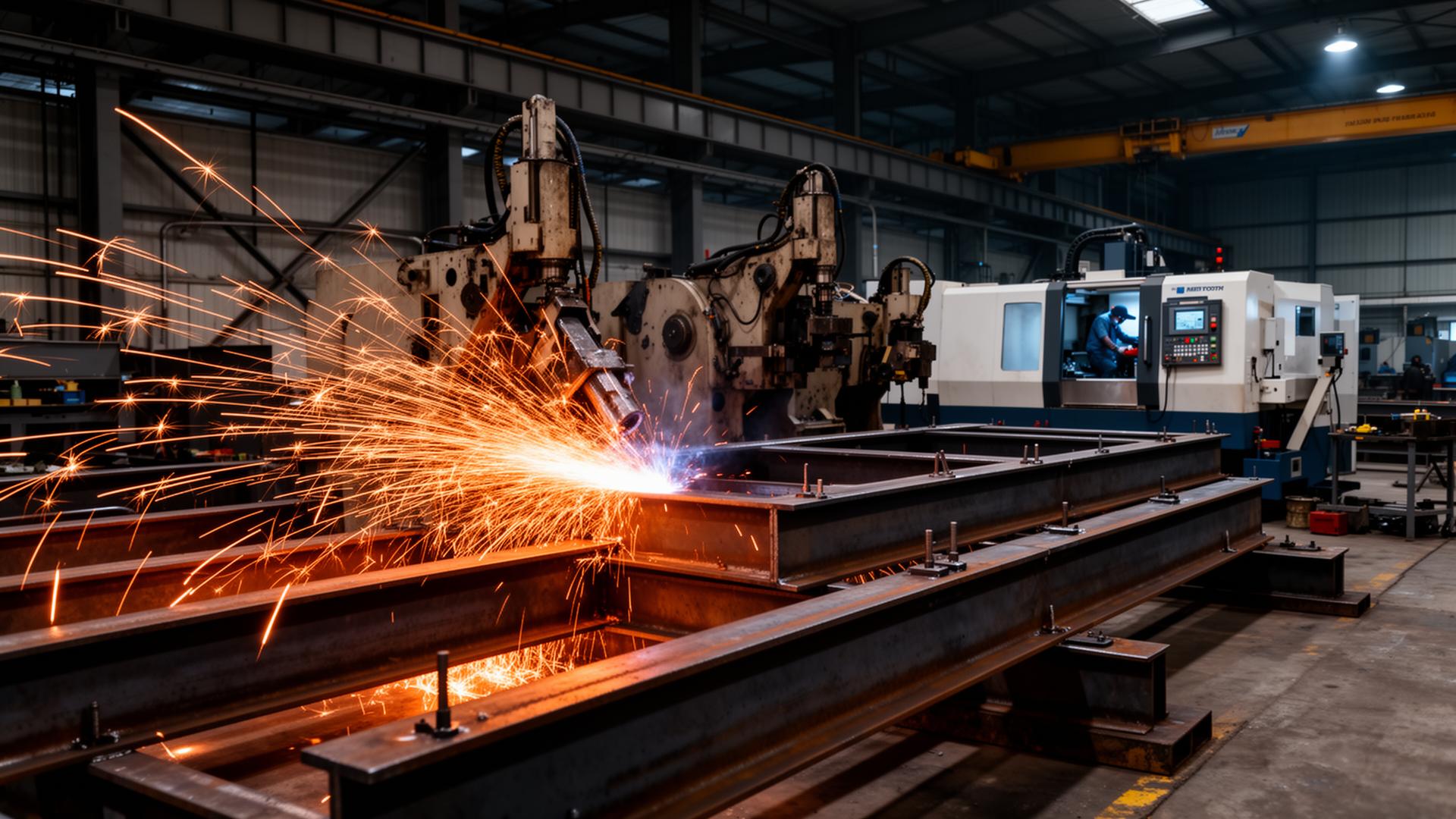
CNC machining, certified welding, and rigorous QC with full material traceability for every component.
Commissioning Included
Performance validation under real operating conditions before handover: documented and ready for operations.
What Fabrication and Installation Services Actually Cover
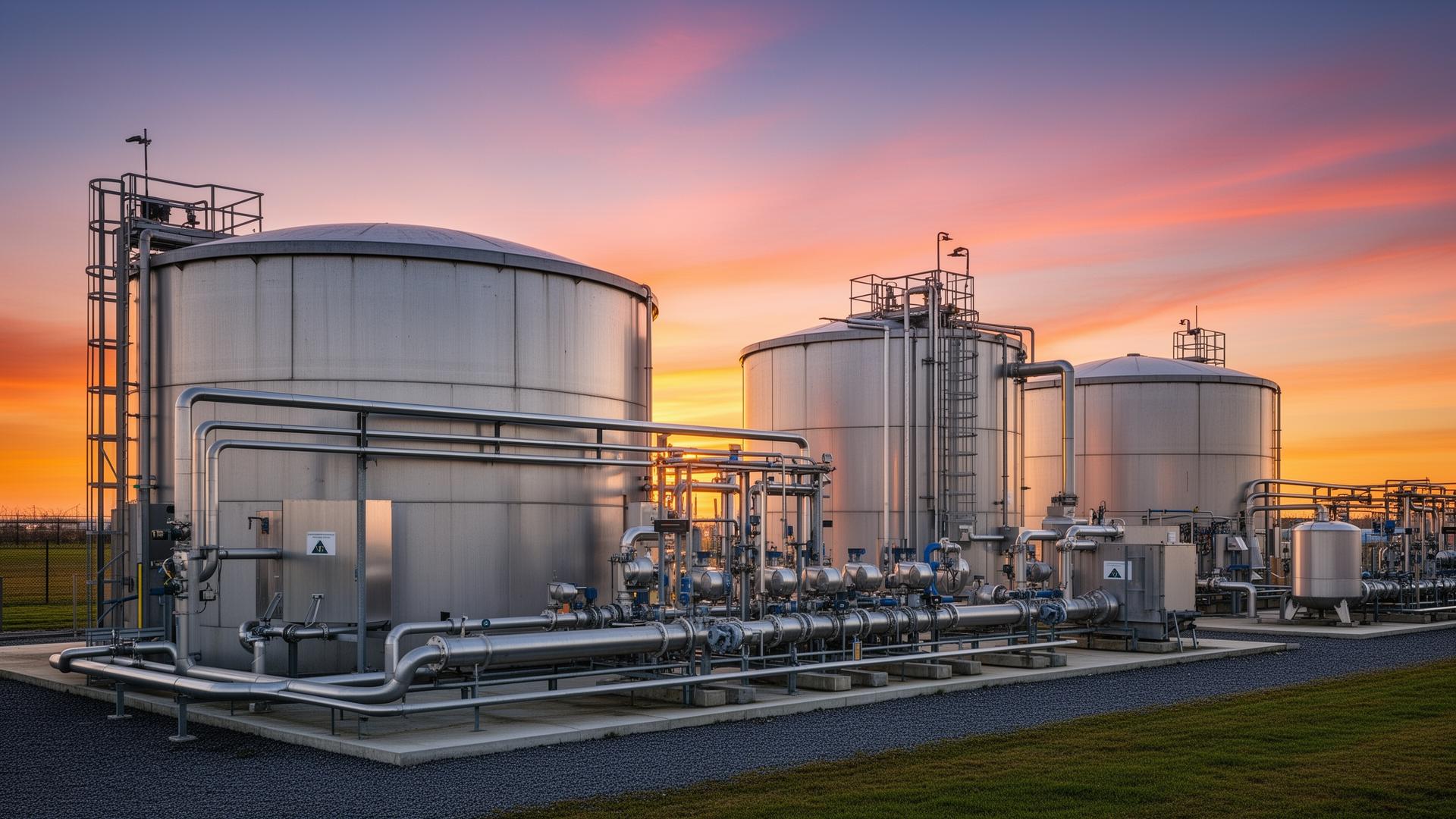
The term "fabrication and installation services" encompasses a broad and interconnected range of activities. At its core, fabrication refers to the process of cutting, shaping, welding, assembling, and finishing raw materials, typically metal, steel, or alloys, into functional industrial components. These components may include pressure vessels, structural steel frameworks, piping systems, tanks, skids, custom enclosures, and mechanical assemblies.
Installation involves the physical placement, alignment, integration, and commissioning of these fabricated components and larger heavy equipment within an operational facility. This can range from setting and anchoring large industrial machinery to connecting complex piping networks, electrical systems, and control interfaces.
When these two disciplines are executed by a single integrated team, the benefits compound significantly. Engineers who designed and fabricated the component understand its tolerances, its load characteristics, and its interaction points with adjacent systems. That knowledge translates directly into a faster, safer, and more accurate installation process.
The Unique Demands of Heavy Equipment Installation
Heavy equipment installation is among the most technically demanding activities in industrial construction and maintenance. Unlike standard civil or commercial construction, industrial equipment installation involves:
- Extreme weight and dimensional tolerances: Requiring precision rigging, lifting, and placement
- Integration with existing live systems: That cannot be taken offline for extended periods
- Compliance with stringent safety standards: Environmental regulations and engineering specifications
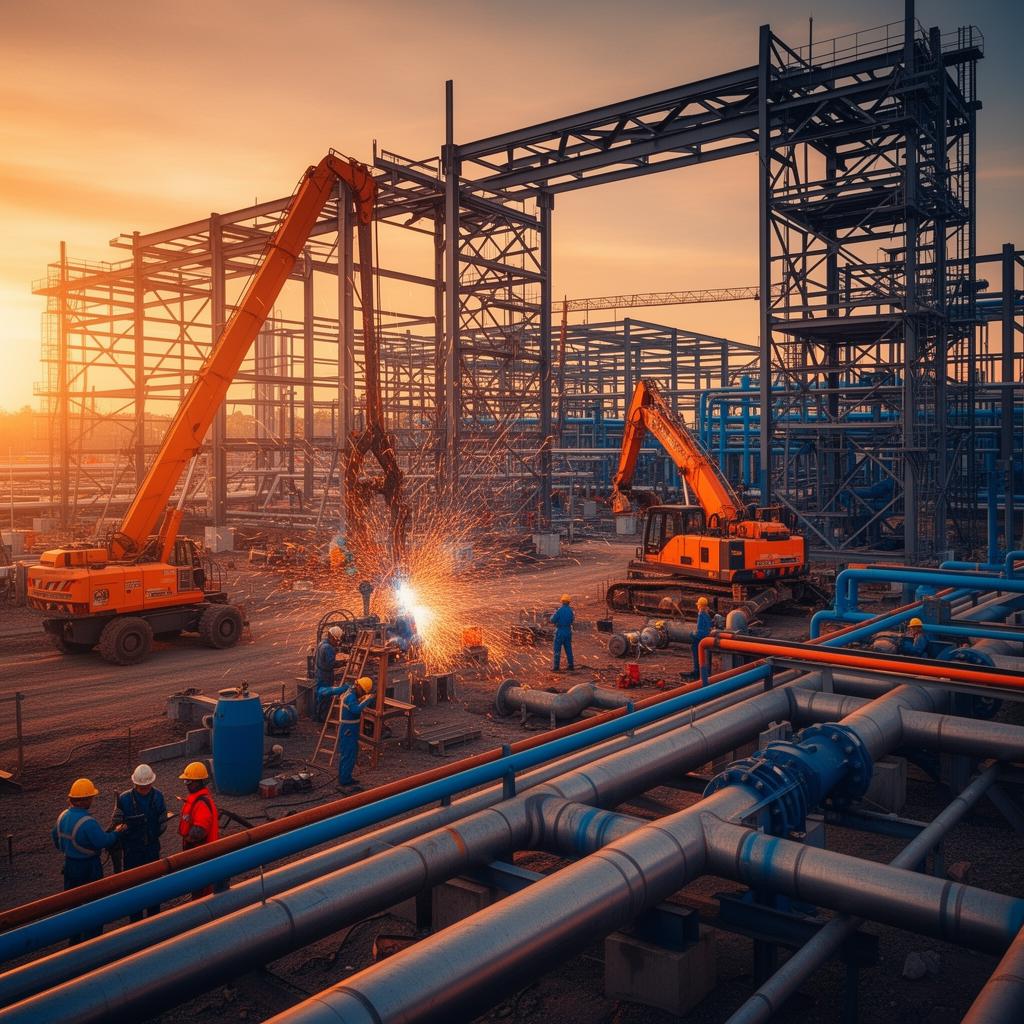
- Coordination of multiple trades: Mechanical, electrical, instrumentation, and civil working simultaneously in confined or hazardous environments
- Commissioning and performance validation: Before handover to operations
A misstep during the installation of heavy equipment, whether in alignment, anchoring, piping connection, or electrical tie-in, can cause costly rework, project delays, equipment damage, or safety incidents. This is why the qualifications, experience, and systems of the installation team matter as much as the quality of the equipment itself.
Experienced industrial contractors approach heavy equipment installation with structured methodologies: pre-installation planning, site preparation, equipment inspection, rigging engineering, precision placement, systems integration, and final commissioning checks. Each phase is documented, quality-verified, and signed off before progressing, eliminating the ambiguity that leads to costly surprises.
Key Phases of a Successful Fabrication and Installation Project
1. Engineering and Design Review
Before a single component is fabricated, a comprehensive engineering review aligns the design intent with site realities, code requirements, and operational parameters. This phase prevents costly design changes mid-fabrication and ensures every component will fit, function, and perform as specified once installed.
2. Precision Fabrication
Using advanced fabrication techniques, including CNC machining, certified welding, and rigorous quality control, components are built to exact specifications. Material certifications, weld inspection records, and dimensional checks are maintained throughout, creating a full traceability record that supports both installation and future maintenance.
3. Pre-Installation Site Preparation
Site preparation ensures the receiving environment is ready: foundations are verified, utilities are staged, access routes for heavy lifts are confirmed, and safety protocols are communicated to all personnel. Proper site preparation dramatically reduces installation time and minimizes disruption to surrounding operations.
4. Heavy Equipment Placement and Integration
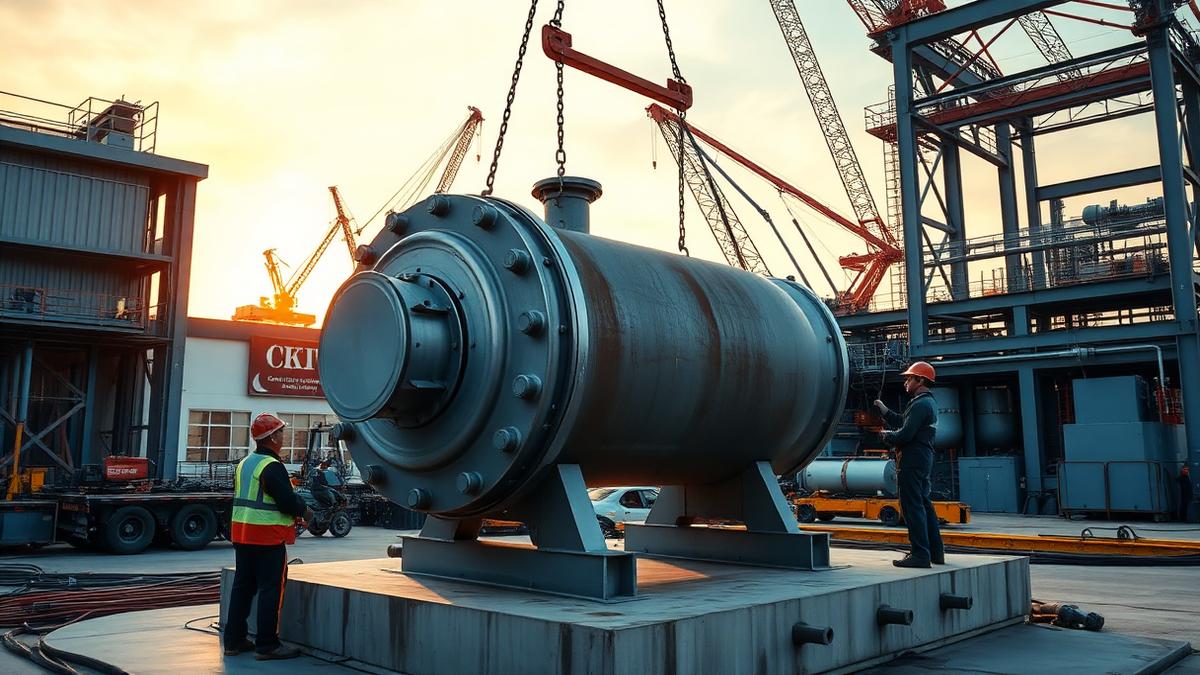
Using engineered rigging plans and certified equipment, heavy machinery and fabricated assemblies are positioned with millimeter-level precision. Alignment tools, laser measurement systems, and torque calibration equipment ensure every component meets its installation specification. Mechanical connections, piping tie-ins, and electrical integration follow in a structured sequence.
5. Commissioning and Handover
No installation project is complete without commissioning: the systematic process of verifying that installed equipment operates as designed under real operating conditions. Functional testing, safety interlocks, performance benchmarking, and operator training are all part of a professional commissioning program that sets the project up for long-term success.
Industries That Rely on Expert Fabrication and Installation Services
The demand for professional fabrication and installation services spans virtually every industrial sector. Among those with the highest technical requirements:
- Oil and Gas: Wellhead equipment, processing skids, pressure vessels, and pipeline systems require code-compliant fabrication and hazardous-area-certified installation teams.
- Biogas and Wastewater: Custom-fabricated treatment systems must be installed with precision to ensure process efficiency and environmental compliance.
- Data Centers: Critical facility infrastructure, including power distribution, cooling systems, and structural support, demands zero-tolerance installation standards.
- Industrial Manufacturing: Production line equipment, conveyors, and process machinery require coordinated installation that minimizes downtime during facility upgrades.
- Energy Infrastructure: From thermal systems to distributed generation assets, energy projects rely on installation teams with deep mechanical and electrical cross-discipline expertise.
How to Choose the Right Fabrication and Installation Partner
Selecting the right partner for fabrication and installation services is a decision that carries long-term consequences. The lowest bid rarely reflects the true cost when quality shortfalls lead to rework, delays, or operational failures. Industrial operators should evaluate potential partners against the following criteria:
- Integrated Capabilities: Can the same team take a project from design through fabrication to field installation? An integrated team eliminates handoff gaps that create risk.
- Industry Certifications: Look for AWS-certified welders, NCCER-credentialed craft professionals, OSHA compliance records, and relevant industry body memberships.
- Proven Track Record: Request references and case studies specific to your industry and equipment type. Volume of installed systems and project scale matter.
- Quality Management Systems: A robust QMS, including material traceability, inspection documentation, and non-conformance reporting, signals a mature, reliable operation.
- Safety Performance: Review EMR (Experience Modification Rate) scores, incident rate records, and safety program documentation before awarding any installation of heavy equipment contract.
- Flexibility and Responsiveness: Industrial timelines shift. A capable partner responds quickly to scope changes, procurement challenges, and site conditions without sacrificing quality.
Precision Builds Reliability
In the industrial world, precision is not a luxury: it is a baseline requirement. The quality of fabrication and installation services executed at the outset of a project defines the operational reliability, safety record, and total cost of ownership of every system for years to come. Heavy equipment installation, in particular, demands a level of engineering rigor and field expertise that only purpose-built industrial contractors can consistently deliver.
For industrial operators and infrastructure developers who are serious about long-term performance, the message is clear: invest in integrated, engineering-led fabrication and installation services from the start. The cost of doing it right the first time is always less than the cost of doing it twice.
Whether you are commissioning a new facility, expanding an existing plant, or retrofitting aging infrastructure, partnering with a team that brings engineering, fabrication, and installation of heavy machinery under one roof is the most direct path from concept to confident operation.
Frequently Asked Questions
What do fabrication and installation services include?
Fabrication and installation services encompass the full lifecycle of industrial equipment delivery: engineering and design review, precision fabrication using CNC machining and certified welding, pre-installation site preparation, heavy equipment placement and integration using engineered rigging plans, and commissioning with performance validation before handover to operations.
Why is heavy equipment installation considered high-risk?
Heavy equipment installation involves extreme weight and dimensional tolerances, integration with live systems that cannot be taken offline, compliance with safety and environmental regulations, coordination of multiple trades in confined or hazardous environments, and commissioning under real operating conditions. A misstep during placement, anchoring, or tie-in can cause costly rework, equipment damage, or safety incidents.
What industries require professional fabrication and installation services?
Industries with the highest demand include oil and gas (wellhead equipment, processing skids, pressure vessels), biogas and wastewater (custom treatment systems), data centers (power distribution and cooling infrastructure), industrial manufacturing (production line equipment and conveyors), and energy infrastructure (thermal systems and distributed generation assets).
How do you choose the right fabrication and installation partner?
Evaluate partners on integrated capabilities (design through field installation), industry certifications (AWS-certified welders, NCCER credentials, OSHA compliance), proven track record with references, quality management systems with full traceability, safety performance including EMR scores, and flexibility to respond to scope changes without sacrificing quality.
What is the advantage of integrated fabrication and installation?
When the same engineering-led team handles both fabrication and installation, the benefits compound: engineers who designed and fabricated the component understand its tolerances, load characteristics, and interaction points. This knowledge translates into a faster, safer, and more accurate installation process, eliminating the handoff gaps that create risk in fragmented service models.
Ready to Discuss Your Next Fabrication and Installation Project?
From engineering review and precision fabrication to heavy equipment placement and commissioning, CREATE Industries delivers integrated solutions built for performance.
Get In Touch