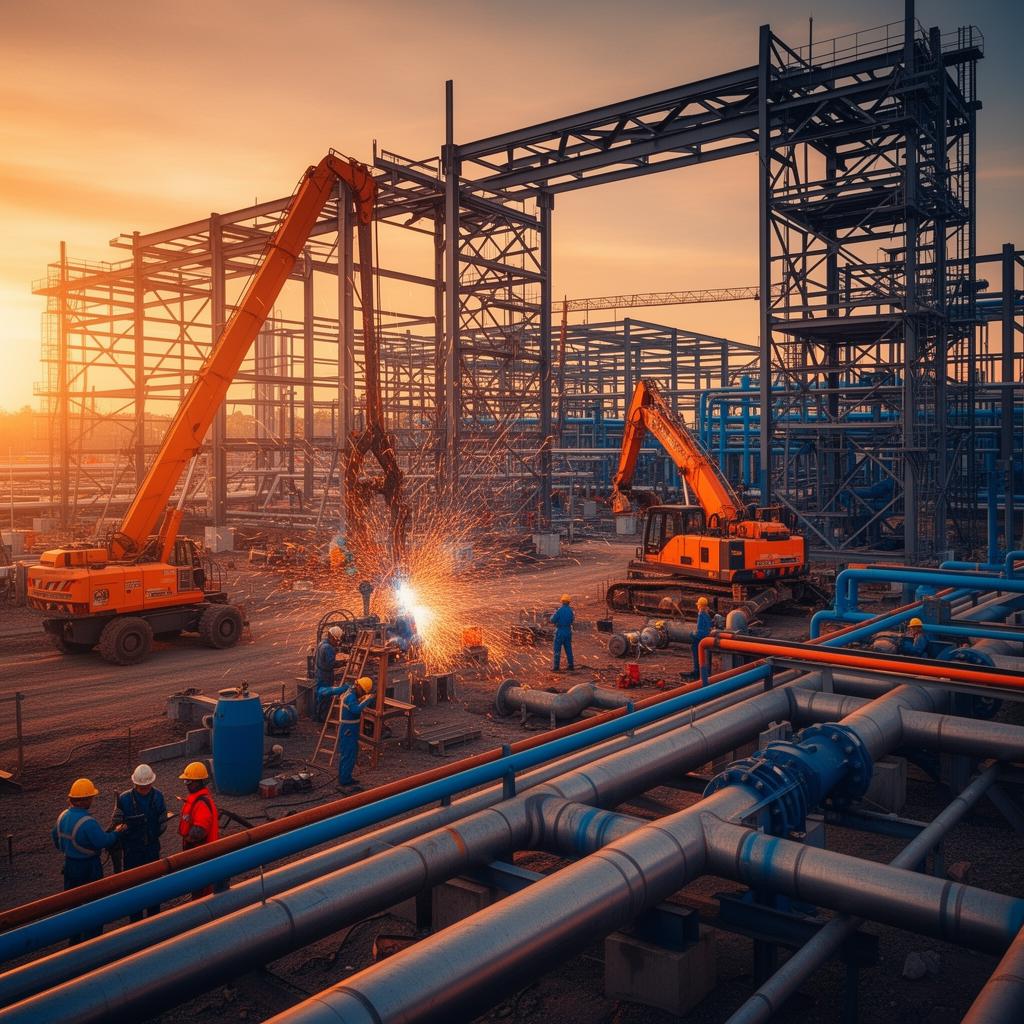
There's a quiet revolution happening across America's industrial landscape. It doesn't make front-page headlines, but it's shaping everything from the energy that powers your home to the facilities that manufacture essential goods. It's happening in fabrication shops, engineering design rooms, and on job sites where skilled teams are doing something that sounds simple but is anything but: building infrastructure that actually works.
If you work in oil and gas, biogas, landfill operations, or data centers, you already know the stakes. Outdated systems. Tightening regulations. Rising costs. The pressure to do more with aging equipment while keeping everything compliant and online. So let's talk about what a modern, integrated approach to industrial engineering and fabrication really looks like and why it matters now more than ever.
Integrated Services
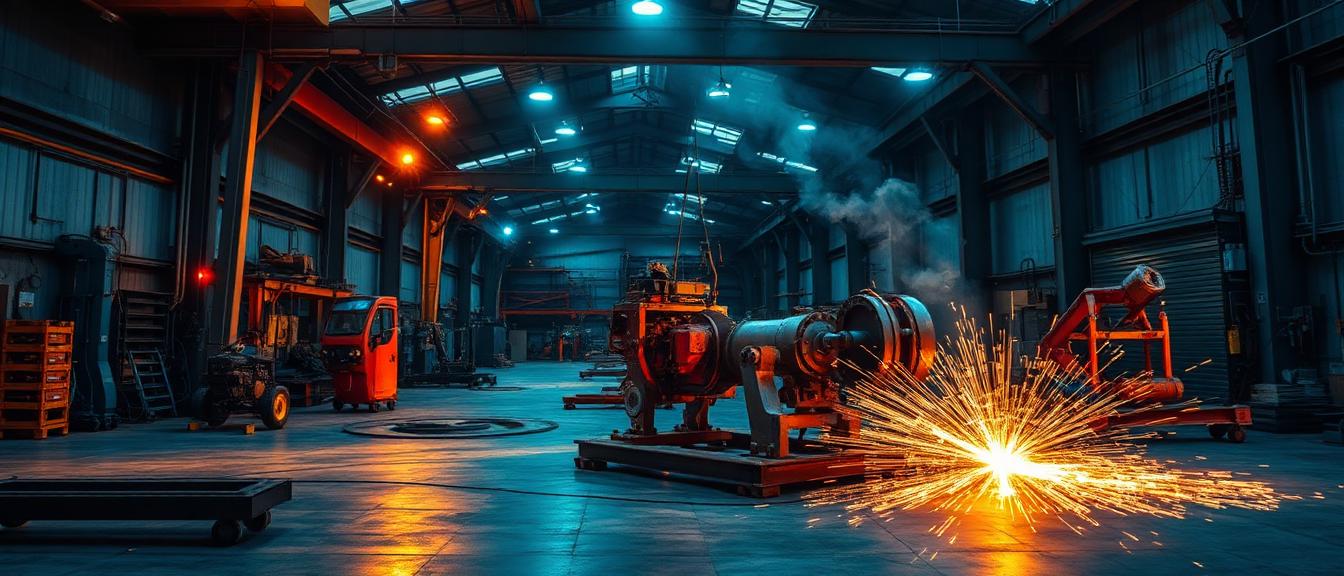
Engineering, fabrication, and installation under one roof: concept to completion.
Emissions Compliance
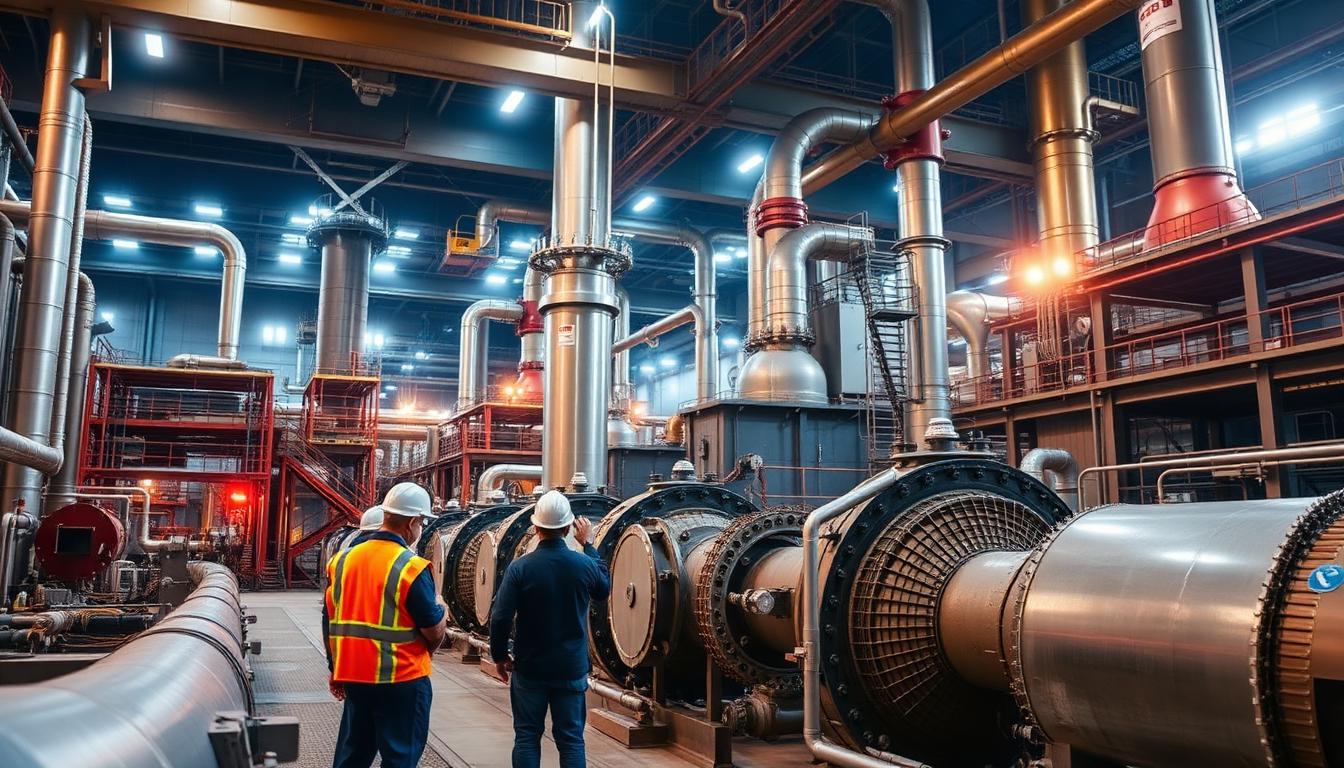
Precision-engineered emissions control systems that keep you compliant without compromising throughput.
AI Automation
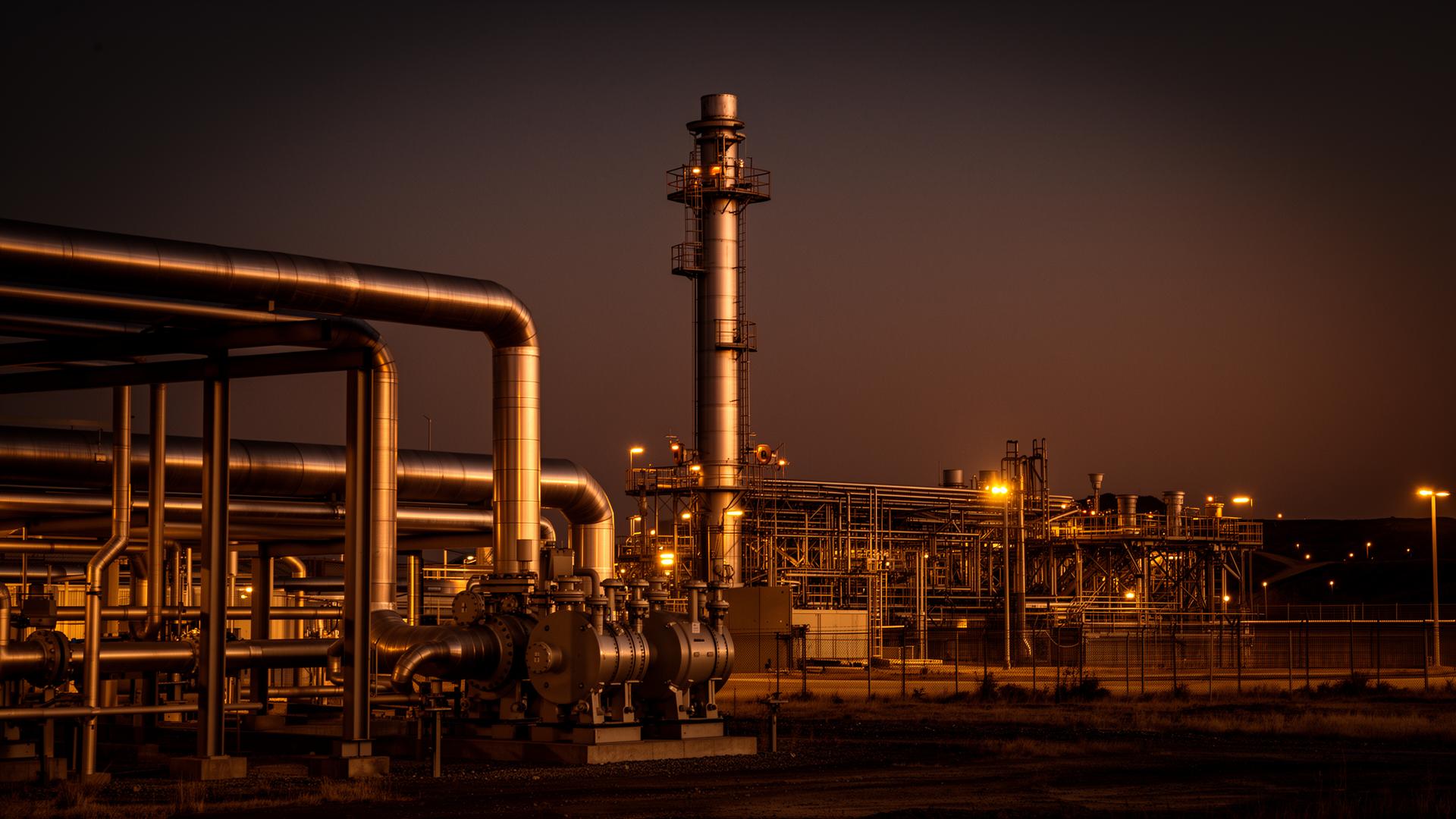
Predictive maintenance, process optimization, and automated compliance monitoring.
Why "Good Enough" Infrastructure Is No Longer Good Enough
The Regulatory Pressure Is Real
For decades, industrial operators took a patch-and-extend approach. If it wasn't broken, you didn't fix it. That approach is no longer sustainable. Environmental regulations are tightening across every major sector. Emissions control systems once reserved for large utilities are now reaching midsize operations. The cost of inaction in penalties, inefficiency, and lost opportunities is growing every quarter.
The Demand Surge Changes the Math
Energy infrastructure demand is surging, driven by data center buildouts, EV infrastructure, and a reshoring wave bringing manufacturing back to American soil. Operators are facing a moment of reckoning: upgrade now with resilient, compliant, forward-compatible systems or face escalating maintenance costs, regulatory penalties, and the risk of being left behind by competitors who moved first.
The Case for Integrated Engineering: Concept to Completion
The Fragmentation Problem
One of the most persistent problems in industrial projects is fragmentation. You hire one firm to design. Another to fabricate. A third to install. A fourth to manage compliance. Each hand-off is a potential failure point. Design assumptions get lost in translation. Fabricated parts don't match field conditions. Installation timelines slip because components weren't built with the install team's workflow in mind.
Why Integration Wins
Integrated engineering services where engineering, fabrication, and service operate as one coordinated unit eliminate most of these friction points. When the team that designed a system also builds and installs it, institutional knowledge doesn't get diluted. Problems are caught at the design stage rather than discovered during installation. The result is faster execution, fewer change orders, and a final product that performs the way it was intended to.
Custom Fabrication: Built for Real-World Conditions
The Spec Sheet Gap
There's a real gap between equipment that looks good in a spec sheet and equipment that performs reliably under genuine industrial stress. Temperature swings. Pressure differentials. Corrosive environments. Continuous 24/7 operations. Off-the-shelf solutions are designed to fit the widest possible range of applications, which means they're often optimized for none of them.
Fit-for-Purpose Systems
Custom fabrication addresses this directly. Operators can specify systems designed and built for their exact application: their specific media, process flows, and regulatory environment. In sectors like biogas processing, landfill leachate management, and oil and gas, system performance directly affects compliance and efficiency. A vessel configured correctly from the outset runs better, requires less maintenance, and lasts significantly longer.
Emissions Control: A Strategic Advantage, Not Just a Checkbox
Rethinking Compliance
Environmental compliance used to be viewed as a cost center: something you spent money on to avoid penalties. That framing is rapidly changing. Well-designed emissions control systems don't just keep you compliant. They improve process efficiency, reduce waste streams, and position operations for expansion in a regulatory environment that's only tightening. Investors and municipalities increasingly treat environmental performance as a proxy for overall operational quality.
Getting the Design Right the First Time
The key is precision at the design stage. Undersized or misconfigured emissions control systems create ongoing maintenance headaches. Over-engineered systems waste capital. The sweet spot requires deep application knowledge and experience with the specific regulatory standards governing each sector. Getting it right upfront pays dividends for years in compliance confidence, operational efficiency, and reduced lifecycle cost.
AI and Automation: Where Industrial Operations Are Heading
Real Applications, Not Hype
There's been a lot of noise about AI industrial automation in industrial contexts. Some of it is hype. The practical applications of predictive maintenance, process optimization, anomaly detection, and automated compliance monitoring are real and arriving faster than many operators anticipated. The challenge isn't finding the technology: it's integrating it meaningfully into existing workflows without disrupting operations that can't afford downtime.
The Compounding Advantage
Operations investing in AI industrial automation now are building a compounding advantage. Sensors and data feeds are only as useful as the analytical infrastructure built around them. Automation adds real value when deployed in the right places: not as a replacement for skilled labor, but as a force multiplier. Every cycle of operational data makes systems smarter. Every optimization compounds over time.
The Sectors Leading the Rebuild
Not all industrial sectors are modernizing at the same pace. These five are clearly out front:
- Oil & Gas: Facing dual pressure from environmental regulation and energy transition economics, operators are investing in more efficient extraction, processing, and emissions control infrastructure.
- Biogas & Wastewater: The waste-to-energy opportunity is enormous. Processing systems that convert organic waste into usable energy require sophisticated industrial engineering and fabrication.
- Landfill & Solid Waste: Regulatory pressure around landfill gas and leachate management is intensifying. Operators need systems that handle variable input streams while maintaining consistent emissions performance.
- Data Centers & Critical Facilities: The AI and cloud computing boom is driving a massive wave of energy infrastructure construction with extremely demanding mechanical, electrical, and environmental requirements.
- Industrial Manufacturing: Reshoring is real. American manufacturers need reliable, compliant custom fabrication solutions from day one.
What Operators Should Look for in an Engineering Partner
Not all industrial service providers are built the same. When selecting a partner for complex integrated engineering services, these factors separate the reliable from the rest:
- In-house Capability: Can they engineer, fabricate, and install without relying on a web of subcontractors? Fragmented delivery equals fragmented accountability.
- Sector-specific Experience: Have they solved the specific problems your operations face, not just adjacent ones? Domain knowledge is non-transferable.
- Proven Performance: References, installed systems, and documented outcomes matter more than polished proposals. Ask for evidence, not presentations.
- Responsiveness: Industrial systems don't fail during business hours. Availability outside 9-to-5 is a meaningful signal about operational culture.
- Forward-looking Approach: Are they investing in emerging technologies like AI industrial automation or running the same playbook from a decade ago?
The Infrastructure of Tomorrow Is Being Built Today
American industry is at an inflection point. The decisions that operators, engineers, and infrastructure developers make in the next few years will shape what gets built and what gets left behind for decades. The good news is that the tools, technology, and people to do industrial engineering and fabrication right already exist.
Integrated engineering services. Precision custom fabrication built around real operational requirements. AI industrial automation platforms purpose-built for industrial environments. The operators who engage this moment seriously with the right partners and the right approach will be in a fundamentally stronger position for everything that comes next.
Modern industrial engineering and fabrication is no longer just about making things: it's about building systems that are smarter, cleaner, more compliant, and more resilient than anything that came before. The industrial operators who will lead the next decade are not waiting for conditions to be perfect. They are investing now.
Frequently Asked Questions
What is industrial engineering and fabrication?
Industrial engineering and fabrication is the integrated process of designing, building, and installing custom equipment and systems for heavy industry: including pressure vessels, piping, structural steel, and process equipment tailored to specific operational requirements across sectors like oil and gas, biogas, landfill, and manufacturing.
Why are emissions control systems important for industrial facilities?
Emissions control systems ensure regulatory compliance, reduce environmental impact, and protect operators from fines and shutdowns. Well-designed systems also improve process efficiency, reduce waste streams, and position operations for expansion in a tightening regulatory environment.
What industries benefit most from integrated engineering services?
Oil and gas, biogas and wastewater, landfill operations, data centers, and industrial manufacturing all benefit significantly from integrated engineering services where design, fabrication, and installation are handled under one roof, eliminating costly handoff errors.
How does AI industrial automation improve industrial operations?
AI industrial automation enables predictive maintenance, process optimization, anomaly detection, and automated compliance monitoring. When layered onto solid physical infrastructure, it acts as a force multiplier: every cycle of operational data makes systems smarter and every optimization compounds over time.
What should operators look for in an engineering partner?
Key factors include in-house engineering, fabrication, and installation capabilities; sector-specific experience; proven performance with documented outcomes; 24/7 responsiveness; and a forward-looking approach that incorporates emerging technologies like AI industrial automation.
Ready to Build Infrastructure That Lasts?
From custom fabrication to emissions control systems and AI-driven automation, CREATE Industries delivers integrated engineering solutions built for real-world performance.
Get In Touch