
The Role of Industrial Mechanical and Electrical Contracting in Biogas Processing Systems
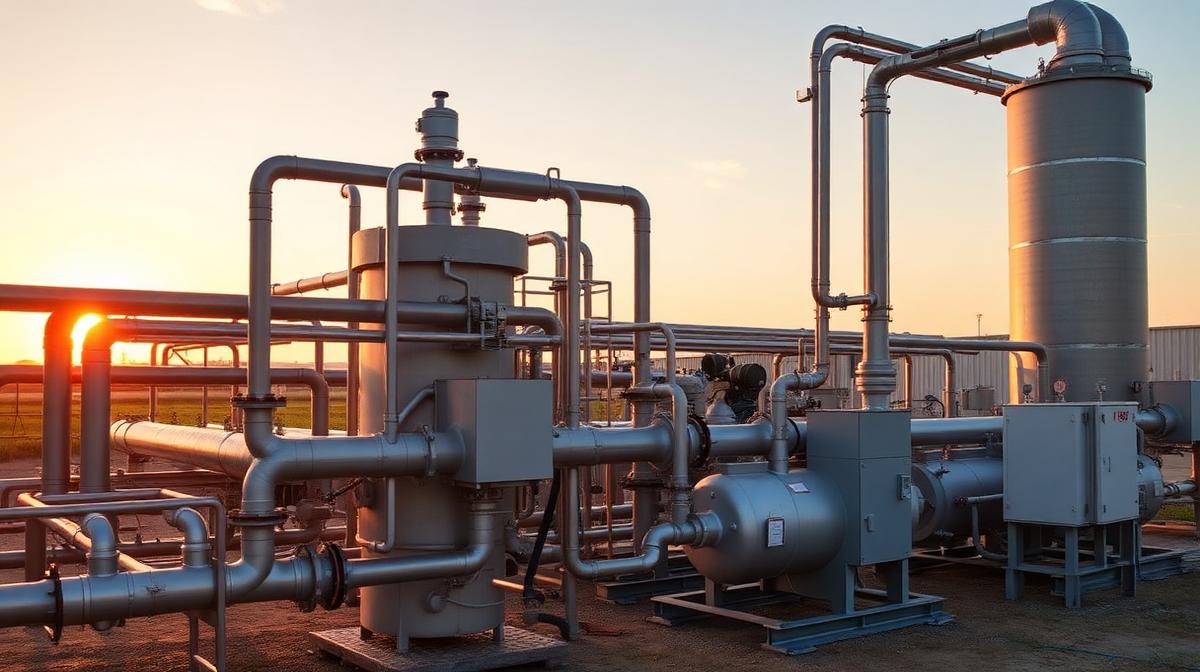
As the global energy landscape shifts toward renewables and circular economy models, biogas has emerged as one of the most versatile and scalable clean energy sources available today. Capturing energy from organic waste, whether from agricultural operations, municipal solid waste, or wastewater treatment, biogas processing is both technically complex and critically important. At the heart of every successful biogas facility is something that often goes unspoken: expert industrial mechanical and electrical contracting.
Without precision engineering, robust mechanical systems, and code-compliant electrical infrastructure, even the best biogas project design can fall short. This post explores what makes industrial mechanical and electrical contracting so essential to biogas processing systems and what to look for when selecting the right contractor for your project.
What Is Biogas Processing? A Quick Overview
Biogas is produced through anaerobic digestion, a biological process in which microorganisms break down organic matter in the absence of oxygen, releasing a mixture of methane (CH₄) and carbon dioxide (CO₂). Raw biogas can be used directly for heat and power or upgraded into biomethane for injection into natural gas grids or use as a vehicle fuel.
A complete biogas processing system typically includes several key stages:
- Feedstock receiving and pre-treatment
- Anaerobic digestion reactors
- Biogas collection, storage, and flaring systems
- Gas conditioning and upgrading equipment
- Power generation or gas compression for pipeline injection
- Digestate handling and dewatering
Each of these stages demands specialized mechanical and electrical systems, which is where industrial contracting expertise becomes indispensable.
Why Industrial Mechanical Contracting Matters in Biogas Facilities
Mechanical systems form the physical backbone of any biogas plant. From piping and pumping to heat exchange and gas compression, the mechanical scope in biogas processing is both vast and precision-driven.
Piping Systems and Material Specifications
Piping systems in biogas plants must handle corrosive, moisture-laden gas streams, as well as liquid digestate at varying temperatures and pressures. Industrial mechanical contractors with biogas experience understand the material specifications required: stainless steel, HDPE, and specialized coatings that resist hydrogen sulfide and organic acids. Improper material selection can result in premature failure, costly downtime, and potential safety hazards.
Heat Management and Thermal Stability
Heat management is another critical area. Anaerobic digestion operates within tight temperature ranges: mesophilic (35-40°C) or thermophilic (50-60°C), requiring reliable heat exchangers, insulated pipework, and hot water circulation systems. Industrial mechanical contractors design and install these thermal management systems to maintain process stability, directly impacting biogas yield and system uptime.
Pumping, Mixing, and Feedstock Distribution
Pumping and mixing systems, critical for ensuring consistent feedstock distribution inside digesters, also fall within the mechanical scope. Selecting the right pump types, sizing impellers correctly, and installing mixing equipment with proper clearances all require the kind of hands-on, plant-scale experience that specialized industrial contractors bring to the table.
Electrical Contracting: The Nervous System of Biogas Operations
If mechanical systems are the body of a biogas plant, electrical systems are its nervous system. Industrial electrical contracting in biogas facilities goes far beyond basic wiring: it encompasses power distribution, control architecture, safety systems, and grid interconnection.
Hazardous Area Classification and Compliance
Biogas plants often operate in classified hazardous areas due to the presence of flammable methane. This means all electrical installations must comply with ATEX or NEC 500/505 hazardous area classification requirements. Industrial electrical contractors familiar with these standards design and install explosion-proof fittings, intrinsically safe instrumentation, and properly segregated cable routes to ensure both regulatory compliance and worker safety.
Process Control, Automation, and SCADA Integration
Process control and automation are equally important. Modern biogas facilities rely on SCADA (Supervisory Control and Data Acquisition) systems, PLCs (Programmable Logic Controllers), and remote monitoring to optimize biogas output, manage feedstock loads, and detect process upsets early. Industrial electrical contractors scope, install, and commission these control systems, integrating field instruments, flow meters, gas analyzers, level sensors, and pressure transmitters into a unified control platform.
Power Generation Infrastructure and Grid Interconnection
Power generation infrastructure is another major electrical deliverable. Whether the biogas plant uses combined heat and power (CHP) engines, gas turbines, or fuel cells, the electrical contractor handles the step-up transformers, switchgear, protective relays, and utility interconnection agreements required to deliver power to the grid or to on-site loads. This is complex, high-stakes work requiring deep familiarity with utility requirements and grid codes.
The Value of Integrated Mechanical and Electrical Project Delivery
One of the most significant advantages a project can have is working with a contractor capable of delivering both mechanical and electrical scopes under a single contract. Integrated industrial mechanical and electrical contracting eliminates the coordination gaps that often appear when two separate firms must hand off interfaces: gas pipework connections to electrical valve actuators, mechanical equipment skids to local control panels, or safety shutdown systems that span both disciplines.
Integrated delivery means a single point of accountability for schedule, commissioning, and system performance. It simplifies owner oversight, reduces change orders stemming from scope boundary disputes, and accelerates startup by allowing multi-discipline teams to work in parallel under a unified project plan.
For biogas projects specifically, where process upsets during commissioning can cost weeks of lost production, having a contractor who understands both the mechanical process and the electrical control systems is a genuine competitive advantage.
Key Capabilities to Look for in a Biogas Contracting Partner
Selecting the right industrial mechanical and electrical contracting firm for a biogas project is one of the most consequential decisions an owner or developer will make. Here are the core capabilities to evaluate:
- Hazardous area certification and experience with ATEX or NEC hazardous location standards
- Familiarity with biogas-specific mechanical materials and process equipment
- Proven experience with SCADA, PLC, and biogas plant automation systems
- In-house capability for both mechanical and electrical scopes
- Strong commissioning and startup track record on similar facilities
- Knowledge of local codes, environmental permits, and utility interconnection requirements
Reference projects matter. A contractor who has successfully commissioned biogas plants understands the unique challenges of startup, from initial gas production to first power export, and can anticipate and resolve issues before they become costly delays.
Safety, Compliance, and Long-Term Reliability
Biogas facilities operate in a regulatory environment that spans environmental permits, occupational health and safety standards, pressure vessel codes, and electrical installation regulations. Industrial mechanical and electrical contractors who operate at the highest professional standards maintain current certifications, participate in pre-construction safety planning, and implement rigorous quality control programs throughout construction.
Long-term reliability begins with quality installation. Correctly torqued flanges, properly supported pipework, cable management that allows for future maintenance, and control systems with clear documentation all contribute to facilities that operate at design capacity for decades, not just the first few months after commissioning.
Conclusion
Biogas processing represents one of the most promising intersections of waste management and clean energy production. But realizing its potential demands more than good engineering on paper: it demands skilled, experienced industrial mechanical and electrical contracting that can translate design intent into operating reality. From corrosion-resistant pipework and precision heat management to hazardous area electrical systems and integrated SCADA control, the contracting team you choose shapes the long-term performance of your biogas facility. Partnering with a contractor who brings deep, integrated expertise in both disciplines is not just a procurement decision: it is a strategic investment in the success of your project.
To learn more about industrial mechanical and electrical contracting capabilities for biogas processing systems and other process industries, visit createindustries.com.
Frequently Asked Questions
What is industrial mechanical and electrical contracting?
Industrial mechanical and electrical contracting covers the design, fabrication, installation, and commissioning of mechanical systems (piping, pumps, heat exchangers) and electrical systems (power distribution, control panels, SCADA) for process facilities such as biogas plants, refineries, and manufacturing operations.
Why is integrated mechanical and electrical contracting important for biogas projects?
Integrated delivery eliminates coordination gaps between separate mechanical and electrical contractors. A single team managing both scopes reduces change orders, accelerates commissioning, and ensures seamless interfaces between piping, equipment, and control systems.
What hazardous area classifications apply to biogas facilities?
Biogas facilities must comply with ATEX or NEC 500/505 hazardous area classification requirements due to the presence of flammable methane. All electrical installations require explosion-proof fittings, intrinsically safe instrumentation, and properly segregated cable routes.
What role does SCADA play in biogas processing?
SCADA (Supervisory Control and Data Acquisition) systems monitor and optimize biogas production by integrating field instruments, flow meters, gas analyzers, and pressure transmitters into a unified control platform for real-time process management and early upset detection.
What should I look for when selecting a biogas contracting partner?
Key capabilities to evaluate include hazardous area certification, biogas-specific material expertise, proven SCADA and PLC experience, in-house mechanical and electrical capabilities, a strong commissioning track record, and knowledge of local codes and environmental permits.
How does quality installation affect long-term biogas facility performance?
Quality installation practices such as correctly torqued flanges, properly supported pipework, organized cable management, and thorough documentation ensure facilities operate at design capacity for decades rather than experiencing premature failures and costly downtime.
Related Articles
Need Expert Mechanical and Electrical Contracting?
CREATE Industries delivers integrated industrial mechanical and electrical contracting for biogas processing systems and complex process facilities.
Contact Us TodayLast updated: April 13, 2026