Emission Compliance on the Gulf Coast in 2026: What Industrial Operators Need to Know
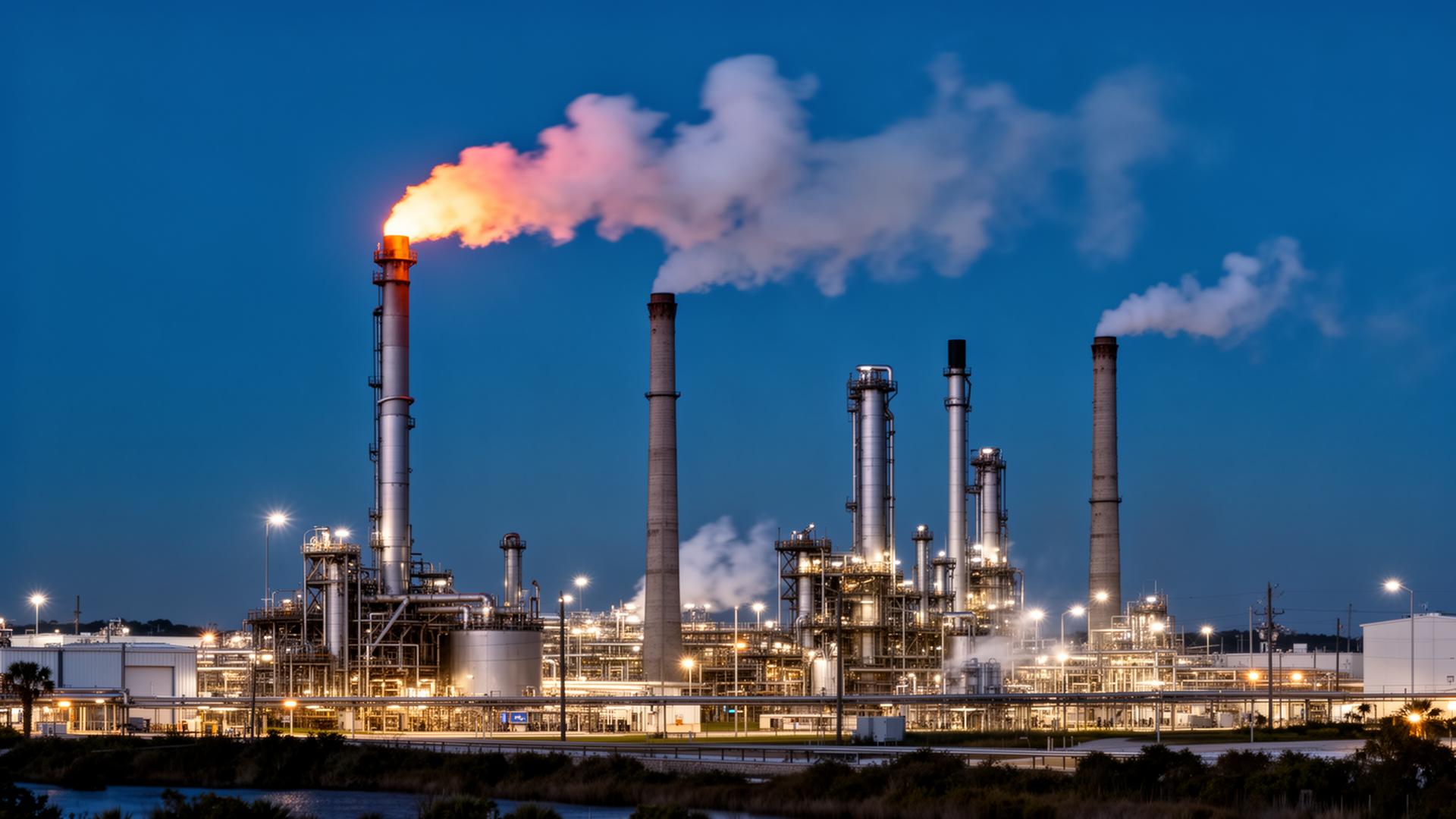
Regulatory enforcement of air emissions on the Gulf Coast has never been more rigorous. The EPA's continued focus on VOC and HAP reduction, combined with increased state inspection activity, means Gulf Coast facilities operating aging combustion systems, flare stacks, and air abatement equipment are carrying real and growing compliance risk.
The facilities that get ahead of this aren't spending more money. They're spending it smarter, investing in proactive compliance infrastructure rather than reactive emergency remediation.
The Regulatory Landscape Gulf Coast Operators Are Navigating in 2026
Key regulatory frameworks affecting Gulf Coast industrial facilities:
- NESHAP: sets maximum allowable HAPs emissions for specific industrial source categories
- New Source Performance Standards (NSPS): applies to new and modified equipment, setting combustion performance benchmarks
- Title V Operating Permits: required for major sources, establishing facility-specific emission limits and monitoring requirements
- State Implementation Plans (SIPs): state-level regulations that often exceed federal minimums in Texas, Louisiana, and Alabama
- Greenhouse Gas Reporting Program (GHGRP): requires facilities above certain thresholds to report annually to the EPA
The Most Common Compliance Gaps in Gulf Coast Industrial Facilities
Top emission compliance gaps:
- Degraded Thermal Oxidizer performance: systems no longer achieving permitted VOC/HAPs destruction efficiency
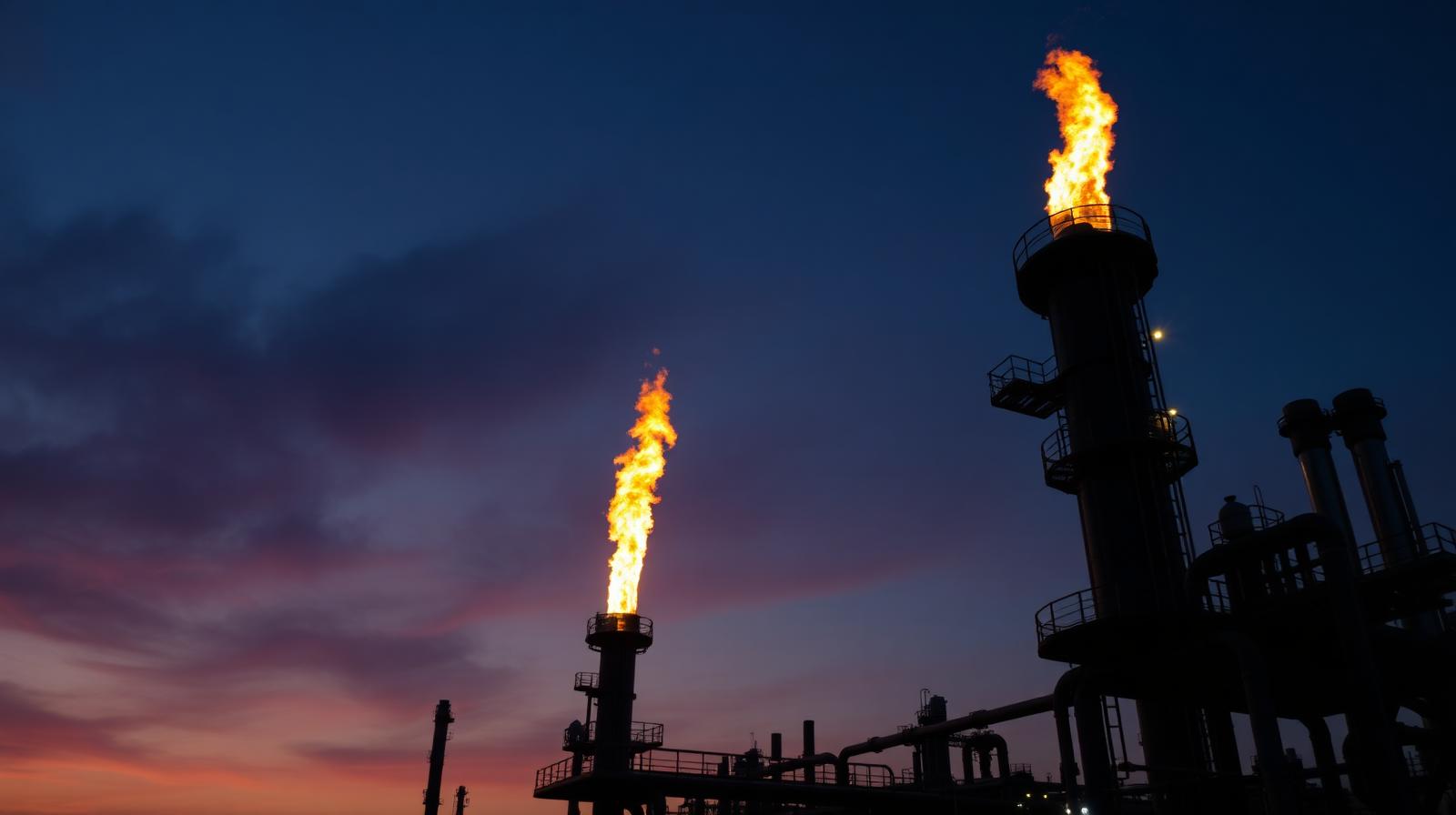
- Outdated flare systems: older flare designs not meeting current combustion efficiency standards
- Inadequate monitoring infrastructure: facilities without CEMS where required
- Vapor combustor failures: undetected pilot failures allowing fugitive emissions during low-flow conditions
- Biogas processing compliance: facilities not meeting current methane and siloxane removal requirements
- Incomplete recordkeeping: facilities with equipment but lacking documentation to demonstrate compliance during an audit
CREATE Industries' Emission Control and Environmental Services
Air Abatement Systems
- VOC destruction systems: thermal and catalytic oxidizer solutions for high-concentration organic emissions
- HAPs control systems: equipment designed to meet NESHAP requirements
- Odor control systems: for facilities with community or permit-driven obligations
Flare System Upgrades and Services
- Pilot assembly rebuilds to restore reliable ignition under all operating conditions
- Controls and burner management system upgrades for automated compliance monitoring
- Tip and windshield replacements to restore smokeless combustion performance
- Ignition system repairs and modernization
- Compliance documentation support for permit renewal and agency reporting
Biogas Processing
- Biogas conditioning and processing system design
- Siloxane and hydrogen sulfide removal systems
- Combustion system integration for biogas utilization
- Monitoring and reporting support for biogas-related permit requirements
Building a Proactive Compliance Program
A proactive compliance program includes:
- Annual emission control equipment assessments: formal evaluations of all systems tied to air operating permits
- Continuous monitoring maintenance: ensuring CEMS and other equipment is calibrated and functioning
- Spare parts inventories: stocking critical components to minimize downtime during repairs
- Staff training and documentation: ensuring operations personnel understand compliance requirements
- Regulatory tracking: staying current on EPA rulemaking and state regulatory developments
- Third-party audits: periodic independent reviews before regulators conduct their own
The Business Case for Compliance Investment
Cost comparison:
- A proactive Thermal Oxidizer evaluation and tune-up: $15,000 to $40,000
- An unplanned compliance shutdown and emergency repair: $150,000 to $500,000+
- An EPA enforcement action with civil penalties: $25,000 to $70,000 per day per violation
- A permit revocation requiring facility-wide remediation: potentially millions
The math strongly favors proactive investment. Gulf Coast operators who treat emission compliance as an operational priority consistently see better financial outcomes and fewer surprises.
Frequently Asked Questions
What are the most critical EPA emission compliance regulations Gulf Coast industrial facilities must follow in 2026?
The key frameworks are NESHAP, NSPS, Title V Operating Permits, and State Implementation Plans, all of which set strict limits on VOC, HAPs, NOx, and CO emissions from industrial operations.
How does CREATE Industries help Gulf Coast facilities achieve and maintain EPA emission compliance?
CREATE provides end-to-end environmental services, from Thermal Oxidizer diagnostics and flare system upgrades to air abatement systems and biogas processing, all engineered to meet current permit requirements.
What happens if a Gulf Coast industrial facility fails an EPA emission compliance inspection?
Penalties can reach $25,000 to $70,000 per day per violation, plus potential permit revocation, mandatory shutdowns, and costly emergency remediation that far exceeds proactive compliance investment.
How often should Gulf Coast industrial facilities conduct emission control equipment assessments?
At minimum annually, but facilities with aging Thermal Oxidizers, flare systems, or vapor combustors should schedule evaluations more frequently to catch performance degradation before it triggers a violation.
What is the fastest way for a Gulf Coast facility to close an emission compliance gap?
Start with a professional diagnostic evaluation of your emission control systems. It identifies exactly what needs fixing, in priority order, so you address the highest compliance risk first without overspending.
Assess Your Facility's Gulf Coast Compliance Posture
CREATE Industries diagnoses, upgrades, and documents emission control systems so Gulf Coast facilities stay ahead of EPA and state enforcement.
Talk to Our Team