Why Gulf Coast Facilities Can't Afford to Ignore Their Thermal Oxidizers
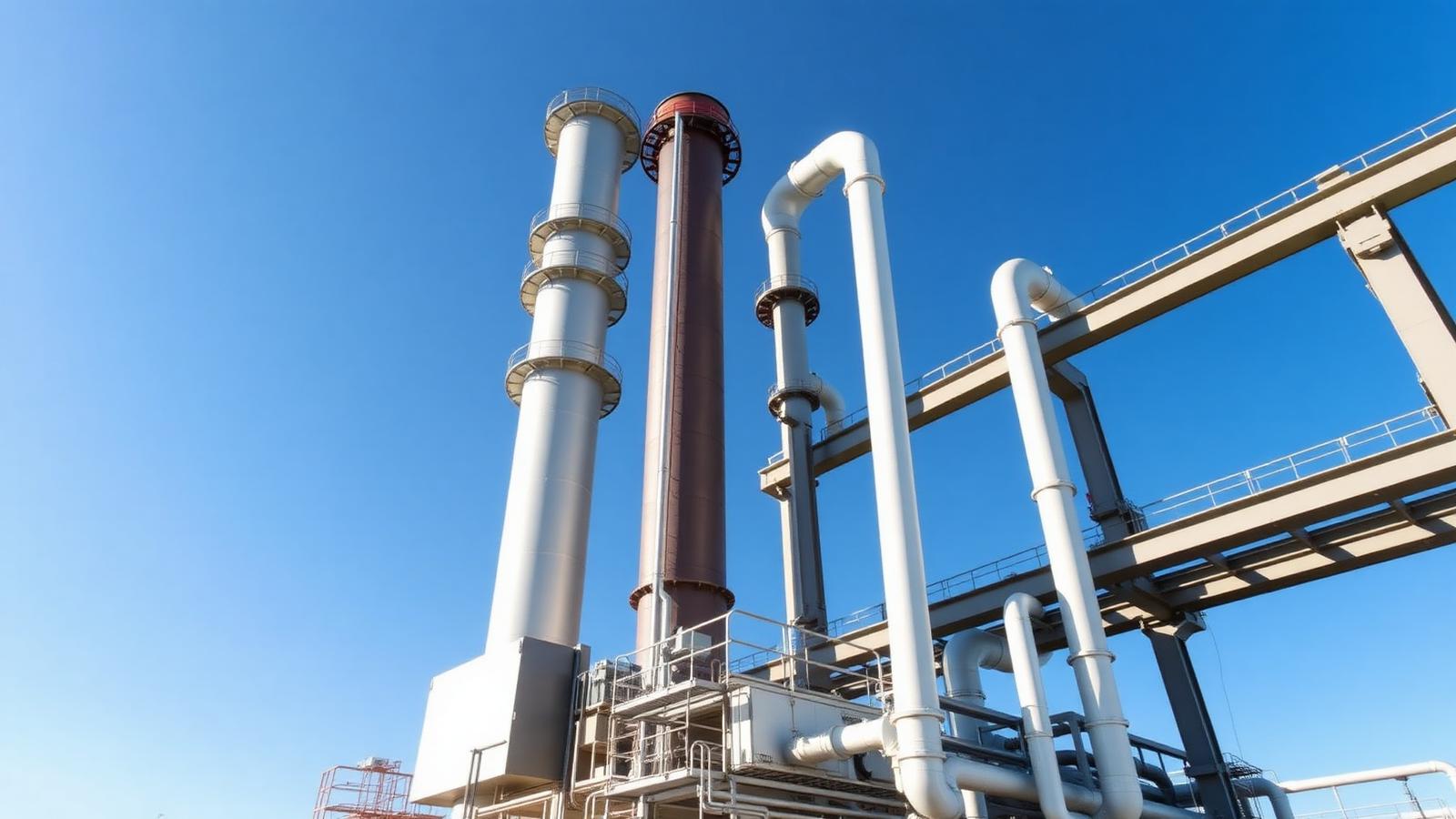
Thermal Oxidizers are among the most critical and most overlooked pieces of equipment in Gulf Coast industrial operations. They run continuously, often tucked away from the main production floor, silently handling the destruction of volatile organic compounds (VOCs), hazardous air pollutants (HAPs), and other regulated emissions. When they perform well, nobody notices. When they fail, the consequences hit fast, regulatory violations, unplanned shutdowns, and costly emergency repairs.
For Gulf Coast operators managing aging facilities in a tightening regulatory environment, proactive Thermal Oxidizer services are not optional anymore. They are a core part of staying in business.
Why Thermal Oxidizers Matter on the Gulf Coast
A Thermal Oxidizer is a combustion-based air pollution control system that destroys harmful emissions before they enter the atmosphere. In Gulf Coast industrial settings, petrochemical plants, refineries, manufacturing facilities, and energy processing operations, these systems are often tied directly to an air operating permit.
- Permit compliance: Most facilities cannot legally operate without a functioning Thermal Oxidizer meeting their permitted destruction efficiency.
- Continuous duty: These systems run 24/7, often for years between major maintenance windows.
- Gradual degradation: Performance loss happens slowly, making it easy to miss until a compliance audit reveals the problem.
- High replacement cost: Full equipment replacement can run into the hundreds of thousands of dollars, and it is avoidable with proper maintenance.
Signs Your Thermal Oxidizer Needs Professional Evaluation
Most Gulf Coast facility managers do not see a problem with their Thermal Oxidizer until something goes visibly wrong. But the warning signs typically appear well before a system fails outright.
- Rising fuel consumption without a corresponding increase in production
- Inconsistent destruction efficiency readings across operating cycles
- Frequent ignition failures or pilot assembly issues
- Unusual pressure drop across the system
- Increased maintenance call frequency in the past 12 months
- Any prior notice of violation related to air emissions
If any of these apply to your facility, a formal diagnostic evaluation is the right next step, not a replacement quote.
CREATE Industries' Thermal Oxidizer Service Capabilities
CREATE Industries has built a dedicated Thermal Oxidizer practice designed to support Gulf Coast industrial facilities across the full equipment lifecycle. Rather than defaulting to a replacement recommendation, CREATE's team begins with a thorough diagnostic evaluation that gives operators a clear picture of exactly what their system needs.
Diagnostic Evaluation Programs
- VOC and HAPs removal efficiency: confirming whether the system meets permit requirements
- NOx and CO emissions measurement: identifying combustion inefficiencies
- Utility consumption analysis: gas and power usage benchmarked against design specifications
- Energy recovery calculations: identifying heat recovery opportunities that reduce operating cost
- System integrity assessment: identifying mechanical wear before it causes a failure
Equipment Rebuilds and Component Services
- Shell and canister rebuilds to restore structural and thermal integrity
- Damper repairs and upgrades for better airflow control
- Media changeouts to restore heat transfer performance
- Catalyst retrofits for systems requiring higher destruction efficiency
- Refractory repairs and replacements to address heat loss
Ongoing Service Support
- Spare parts programs to reduce lead time during unplanned repairs
- Service support agreements for scheduled preventive maintenance
- Emergency response capabilities for facilities that cannot afford extended downtime
The Cost of Deferred Thermal Oxidizer Maintenance
Deferring maintenance on a Thermal Oxidizer does not eliminate the cost. It increases it.
- Elevated fuel consumption as combustion efficiency declines, often 10–20 percent above a well-maintained system
- Unplanned shutdown losses when a system fails mid-operation
- Emergency repair premiums compared to scheduled maintenance costs
- Regulatory penalties and legal fees associated with permit violations
- Potential facility shutdown orders during extended compliance remediation
Why Gulf Coast Operators Choose CREATE Industries
- Engineering-led diagnostics, not sales-driven replacement recommendations
- Full lifecycle capability from evaluation through rebuild and ongoing Service
- Regional expertise with deep knowledge of Gulf Coast operating conditions
- Fast response times for emergency Service needs
- Integrated manufacturing capability to fabricate custom components when needed
Frequently Asked Questions
What are Thermal Oxidizer services on the Gulf Coast?
Thermal Oxidizer services on the Gulf Coast cover the full lifecycle of VOC and HAP destruction systems, diagnostics, rebuilds, refractory and media replacement, catalyst retrofits, preventive maintenance, and emergency response, for refineries, petrochemical plants, biogas facilities, and manufacturers operating in Texas, Louisiana, Mississippi, Alabama, and Florida.
How do I know if my Thermal Oxidizer needs service?
Watch for rising fuel consumption without a production increase, inconsistent destruction efficiency readings, frequent ignition or pilot failures, unusual pressure drop across the system, climbing maintenance frequency, or any prior notice of violation tied to air emissions. Any one of these warrants a formal diagnostic evaluation, not a replacement quote.
What does CREATE Industries' diagnostic evaluation cover?
VOC and HAPs removal efficiency against permit thresholds, NOx and CO emissions measurement for combustion efficiency, gas and power utility consumption benchmarked to design spec, heat recovery opportunities, and a full system integrity assessment to catch mechanical wear before it causes a failure.
Is rebuilding a Thermal Oxidizer cheaper than replacing it?
In most cases, yes. Shell and canister rebuilds, damper repairs, media changeouts, catalyst retrofits, and refractory work can restore a system to specification at a fraction of the cost of a new installation, and without the lead time, permitting changes, and tie-in disruption a replacement requires.
How fast can CREATE Industries respond to an emergency Thermal Oxidizer failure?
CREATE Industries maintains emergency response capability for Gulf Coast facilities that cannot afford extended downtime, backed by in-house fabrication and a spare parts program that reduces lead time on critical components.
What does deferred Thermal Oxidizer maintenance actually cost?
Elevated fuel consumption (often 10–20 percent above a well-maintained system), unplanned shutdown losses, emergency repair premiums versus scheduled work, regulatory penalties and legal fees on permit violations, and in serious cases, facility shutdown orders during compliance remediation. Deferring maintenance does not eliminate the cost, it multiplies it.
Get a Diagnostic Before Your Next Compliance Audit
CREATE Industries delivers Thermal Oxidizer diagnostics, rebuilds, and 24/7 Service for Gulf Coast refineries, petrochemical plants, biogas facilities, and manufacturers.
Request an Evaluation