Flare Systems Services: Vital for Oil & Gas Safety and Compliance
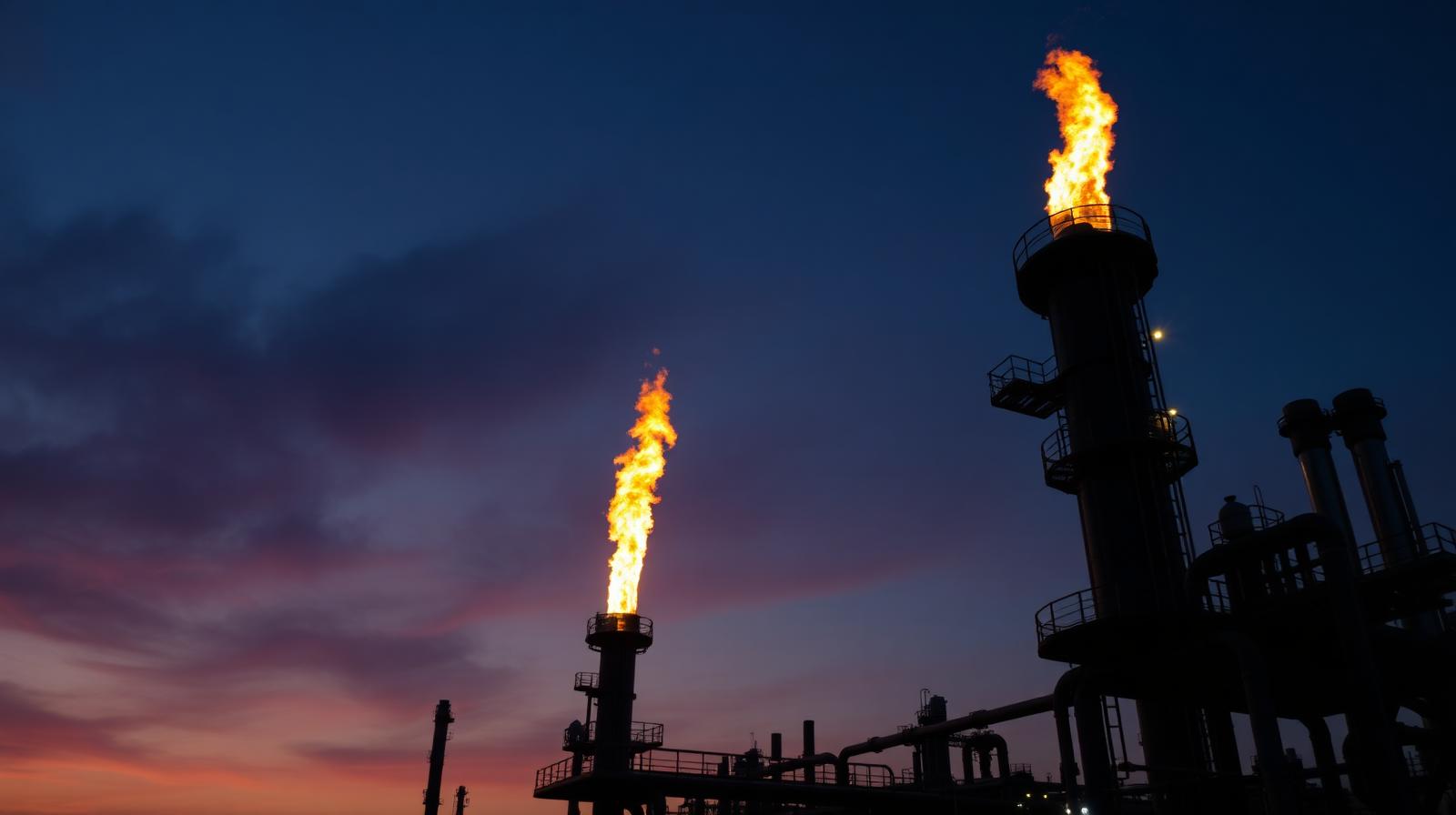
In today's regulated oil and gas landscape, flare systems stand as indispensable safeguards, burning off excess hydrocarbons to avert explosions and curb emissions. These industrial flare systems ensure safe pressure relief while meeting stringent standards from bodies like the EPA and API. At CREATE Industries, our comprehensive flare system services, spanning gas flare design, fabrication, flare stack installation, and ongoing maintenance, empower petrochemical plants, refineries, and offshore rigs with reliable, eco-friendly solutions.
As global flaring scrutiny intensifies post-2025 net-zero pledges, investing in professional flare systems services is not optional. It is essential for operational continuity and cost control. This guide explores how CREATE Industries transforms flare systems into high-performance assets.
What Are Flare Systems and Why Do They Matter?
Flare systems, often called flare stacks, channel flare gases (unusable byproducts from refining or drilling) to a controlled combustion point. Ignition converts flammable vapors into water vapor and carbon dioxide, mitigating risks like overpressure in vessels or pipelines. A properly operated flare is generally designed for 98 percent destruction efficiency (the figure EPA rules assume), and holding it depends on keeping the flare inside its design limits.
Without robust industrial flare systems, facilities face shutdowns, multimillion-dollar fines, and reputational damage. CREATE Industries' flare system services address these through custom gas flare design tailored to gas composition, flow rates, and site wind conditions.
Core elements of modern flare systems include:
- Flare tips: Multi-point or sonic designs for smokeless flaring.
- Seal drums: Prevent air flashback and oxygen ingress.
- Pilot burners: Continuous flame monitoring via UV/IR sensors.
Key Types of Industrial Flare Systems Offered
CREATE Industries excels in diverse industrial flare systems, each optimized for specific environments. Elevated flare stacks are the standard at large refineries, using height to keep heat radiation at grade within safe limits. For compact sites, our ground or enclosed flares reduce visual impact and noise.
- Enclosed flares and thermal oxidizers: Contain the flame and hold combustion temperature, used where a visible flame, noise, or tighter destruction limits rule out an open flare.
- Air-assisted flares: Inject compressed air for stable, low-noise burning in variable flows.
- Steam-assisted flares: Use plant steam for smokeless operation, cutting supplemental fuel needs.
Our flare system services cover flare stack installation for all types, using modular construction to cut field time and downtime. Drawing from API 521 and 537 standards, we integrate computational fluid dynamics (CFD) in gas flare design to model plume rise and dispersion.
Mastering Gas Flare Design for Peak Performance
Superior gas flare design begins with a detailed flare study, analyzing relief scenarios from emergency blowdowns to routine purging. We calculate flare tip diameter, length, and elevation to limit heat flux below 1.58 kW/m² at grade level. Materials like Alloy 625 withstand corrosive sour gases (H2S above 500 ppm).
CREATE Industries' flare system services include:
- Simulation modeling: Predicts radiation, noise, and purge rates.
- Material engineering: High-temperature alloys matched to the tip's operating temperature and gas service.
- Modular skids: Factory-assembled for rapid flare stack installation.
Flare gas recovery (FGR) is the most common sustainability upgrade. An FGR system compresses gas that would otherwise be flared and returns it to the fuel system or the process, which reduces routine flaring and supports the World Bank's Zero Routine Flaring initiative and US methane rules.
Flare Stack Installation: Precision and Speed
Flare stack installation requires expert coordination to avoid costly errors like guy wire misalignment or foundation settling. Heavy-lift planning, precise alignment, and shop-assembled sections cut field time. Schedule depends on stack height, foundations, and tie-ins, so we set it after a site review.
Safety protocols dominate: we use nitrogen purging during lifts and conduct hydrotests on piping. Post-install, flare system services feature molecular seals and knockout drums to handle liquids, preventing flare floods.
Maintenance and Flare Tip Replacement Strategies
Long-term flare system services keep industrial flare systems at peak efficiency. Flare tips erode and corrode over time, and many operators plan tip replacement every few years around turnarounds. Thermal imaging during operation finds hotspots early, and ultrasonic thickness gauging flags wall loss.
Proactive maintenance includes:
- Pilot flame stability checks with thermocouple arrays.
- Purge and pilot gas tuned to what the design actually requires.
- Flare gas recovery optimization for emissions credits.
CREATE Industries offers 24/7 field teams, minimizing turnaround impacts in volatile oil markets.
How Should You Troubleshoot and Plan Flare Work?
- Troubleshoot the whole ignition chain before swapping parts. A pilot that will not stay lit can be pilot gas pressure, a regulator, the pilot tip, the igniter, the flame detection, or the control logic. Replacing the part you suspect first often leaves the real cause in place.
- Re-evaluate the flare when the gas changes. A change in gas volume or composition shifts heating value, smokeless capacity, and radiation. A flare that was right for yesterday's stream may not meet today's requirements.
- Bundle flare work into planned turnarounds. Tip and pilot replacement usually need the flare out of service. Line up inspections, parts, and crews before the outage, not during it.
The ROI of Professional Flare Systems Services
Opting for CREATE Industries' flare system services delivers tangible gains. Tuned steam or air assist control cuts utility use, and flare gas recovery turns gas you were burning into fuel. Payback depends on your flaring volume and fuel value, so we start by measuring it.
Key benefits:
- Compliance edge: Meets EPA methane rules and state mandates.
- Operational uptime: Redundant pilots and flame monitoring keep the flare lit and ready when a relief event hits.
- Scalable growth: Designs sized for planned production growth, not just today's rates.
Monitoring of pilot status, flow, and assist media flags problems early, so fixes are planned instead of reactive.
Embracing Flare Gas Recovery for Sustainability
Flare gas recovery elevates flare systems from necessity to profit center. Compressors draw gas from the flare header before it reaches the flare, and recovered liquids can be separated out. The dry gas fuels boilers, heaters, or generators, which cuts flaring emissions. In high-flaring US regions like the Permian Basin, these systems support ESG reporting and attract green financing.
Why Partner with CREATE Industries?
CREATE Industries provides turnkey flare system services, from gas flare design audits to decommissioning, for energy operators across the US. Our portfolio includes thermal oxidizers and vapor combustors alongside flare systems, ensuring integrated emission control.
Frequently Asked Questions
What are flare systems and why are they critical for oil and gas?
Flare systems, often called flare stacks, channel unusable hydrocarbon byproducts to a controlled combustion point, mitigating overpressure risk and converting flammable vapors to water vapor and CO2. They are essential safeguards for refineries, petrochemical plants, and offshore rigs, helping operators meet EPA, API, and state methane mandates.
What types of industrial flare systems does CREATE Industries offer?
CREATE Industries designs and installs elevated flare stacks, ground and enclosed flares, air-assisted flares for low-noise burning, and steam-assisted flares for smokeless operation, each matched to the site's gas composition and environment.
What goes into proper gas flare design?
Superior gas flare design starts with a flare study analyzing relief scenarios, then sizing tip diameter, length, and elevation to keep heat flux at grade within API 521 limits (1.58 kW/m² for continuous exposure). We select materials like Alloy 625 for sour gas service, then deliver the system as a modular skid for fast flare stack installation.
How fast can a new flare stack installation be completed?
It depends on stack height, foundation work, and how much is shop-assembled. Modular, factory-assembled sections and a lift plan set before mobilization shorten field time the most. We give a schedule after a site review.
How often do flare tips need to be replaced?
Tip life depends on gas composition, flaring rate, and how often the flare sees upset service. Many operators plan tip inspection and replacement around turnarounds every few years. Thermal imaging and ultrasonic thickness gauging catch hotspots and wall loss early, so replacement is planned rather than an emergency.
What is flare gas recovery and what is the ROI?
Flare gas recovery (FGR) compresses gas that would otherwise be flared and returns it to the fuel system or the process. Payback depends on routine flaring volume, gas quality, and fuel value, so it starts with measuring what you actually flare. It also supports methane reporting and zero-routine-flaring commitments.
Ready to Enhance Your Operations?
Contact CREATE Industries for a complimentary flare assessment. From gas flare design to flare stack installation and lifecycle service, we keep oil and gas operations safe, efficient, and compliant.
Start a Project