Modernizing Oil & Gas Infrastructure on the Gulf Coast: What Operators Need to Know
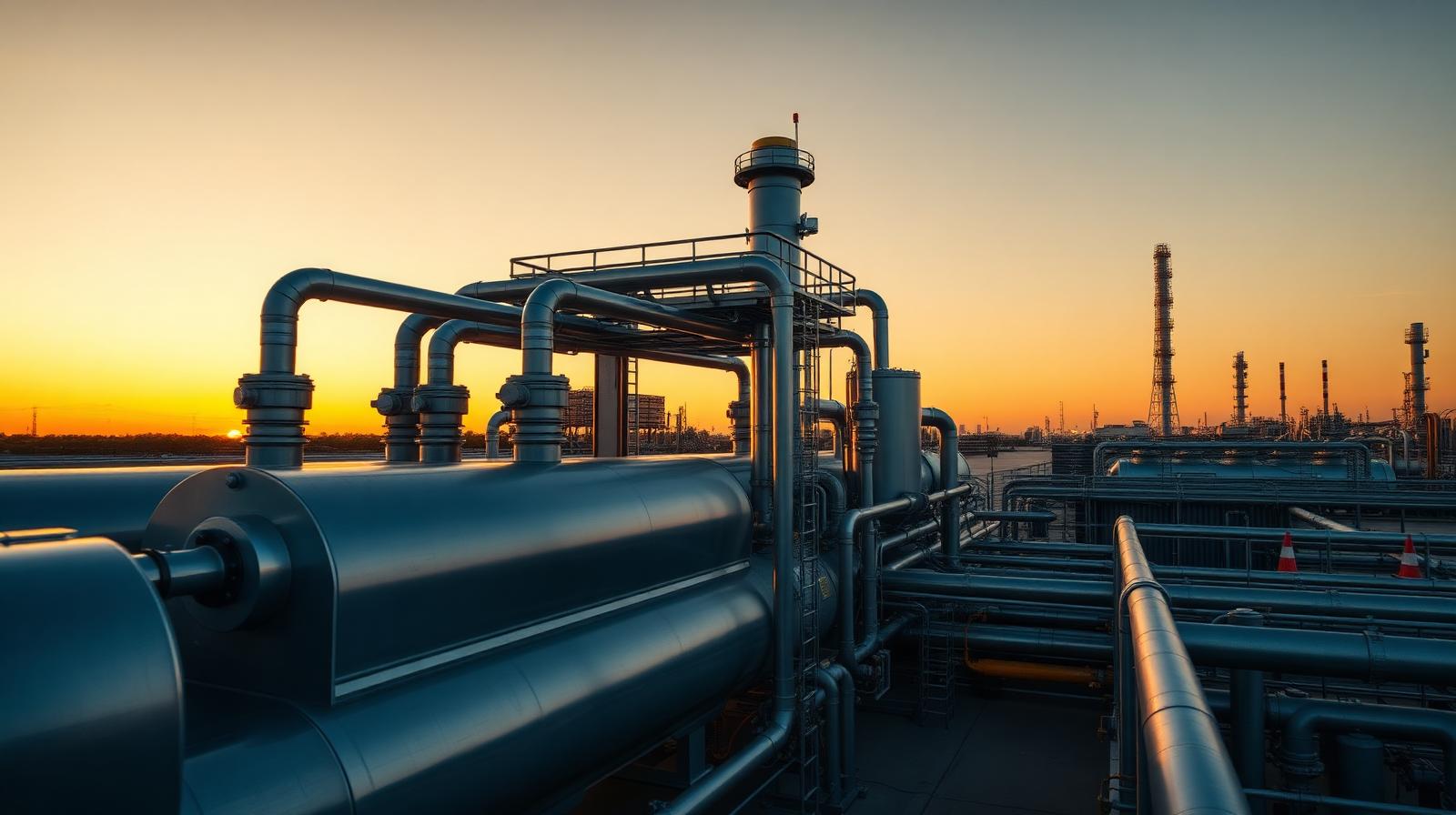
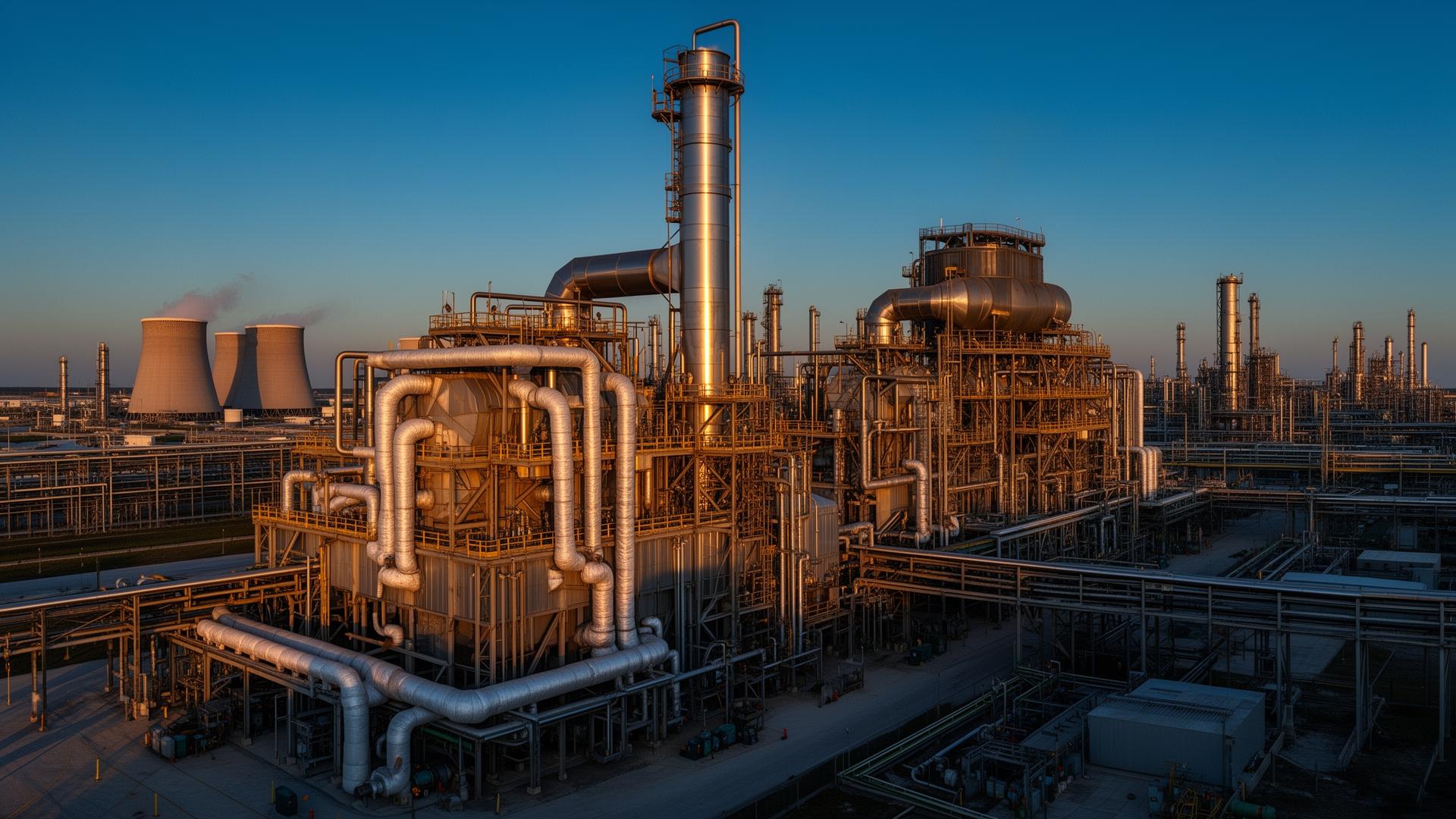
The Gulf Coast energy sector runs on infrastructure that, in many cases, was built for a different era. Wellheads, processing facilities, compressor stations, and transmission systems installed in the 1970s, 1980s, and 1990s are now approaching or well past their original design life. Gulf Coast energy infrastructure modernization has moved from a long-term planning item to an immediate operational priority, as aging equipment drives up maintenance costs, triggers regulatory scrutiny, and creates unacceptable safety exposure for operators trying to compete in a transformed energy market.
Why Gulf Coast Infrastructure Is Aging Faster Than It Is Being Replaced
The Gulf Coast's offshore and onshore oil and gas infrastructure was built during several decades of intense investment, particularly during the domestic energy booms of the mid-twentieth century. That infrastructure was designed for the drilling and processing technologies of its time, for environmental standards that were far less stringent than today, and for commodity prices that no longer reflect current market dynamics.
The result is a large installed base of equipment that is technically functional but increasingly unable to meet current performance, safety, and emissions requirements without significant modification or replacement. Operators face a difficult calculation: continue to maintain aging assets with rising maintenance costs and growing compliance risk, or invest in modernization programs that carry their own capital and operational challenges.
What Modernization Actually Looks Like in Practice
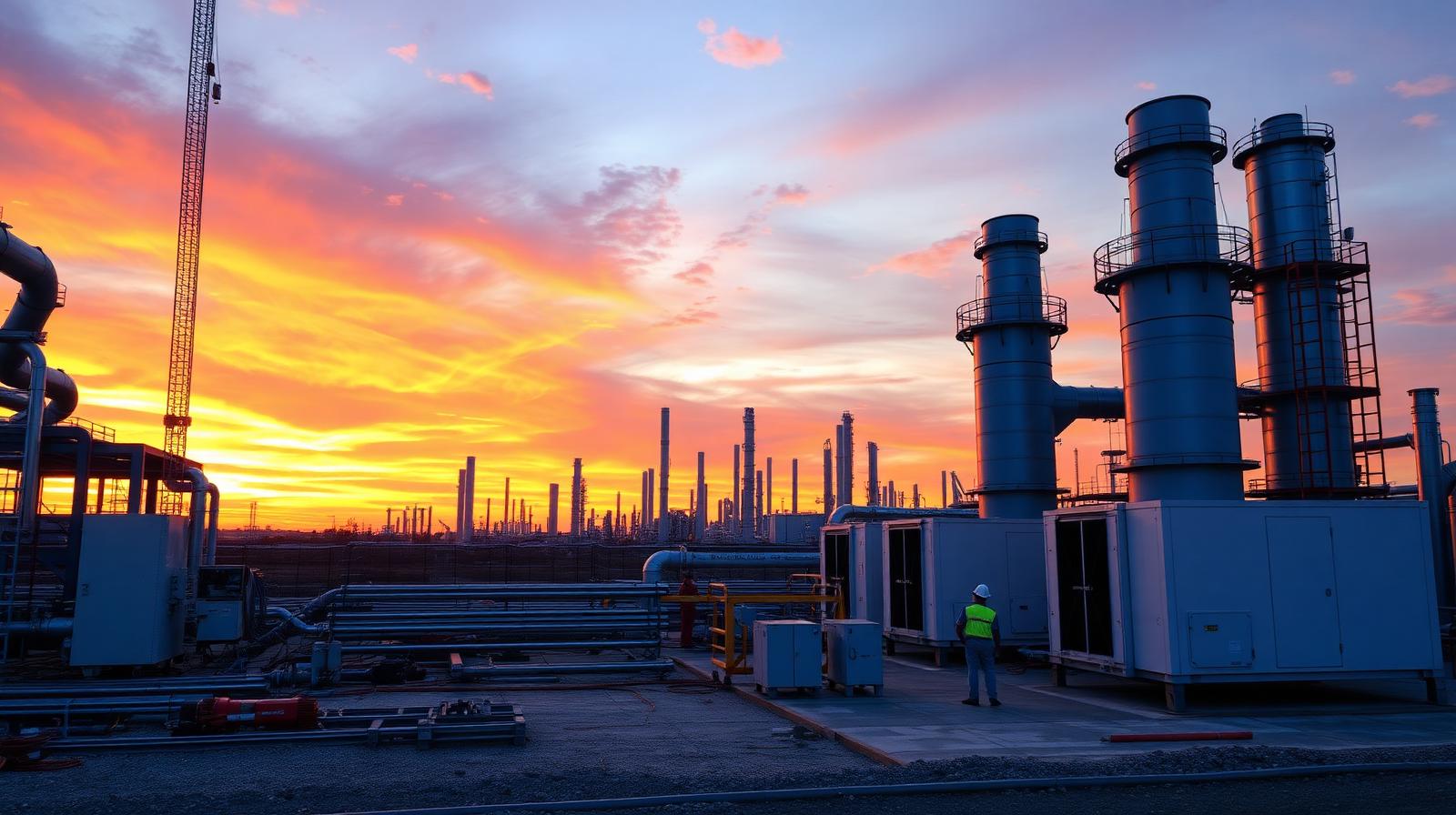
Gulf Coast energy infrastructure modernization is not a single project, it is a sustained program of targeted upgrades, system replacements, and process improvements that allow operators to bring aging facilities forward without taking them offline for extended periods. The most effective modernization programs identify the highest-risk, highest-cost components first and address them in a sequence that minimizes operational disruption.
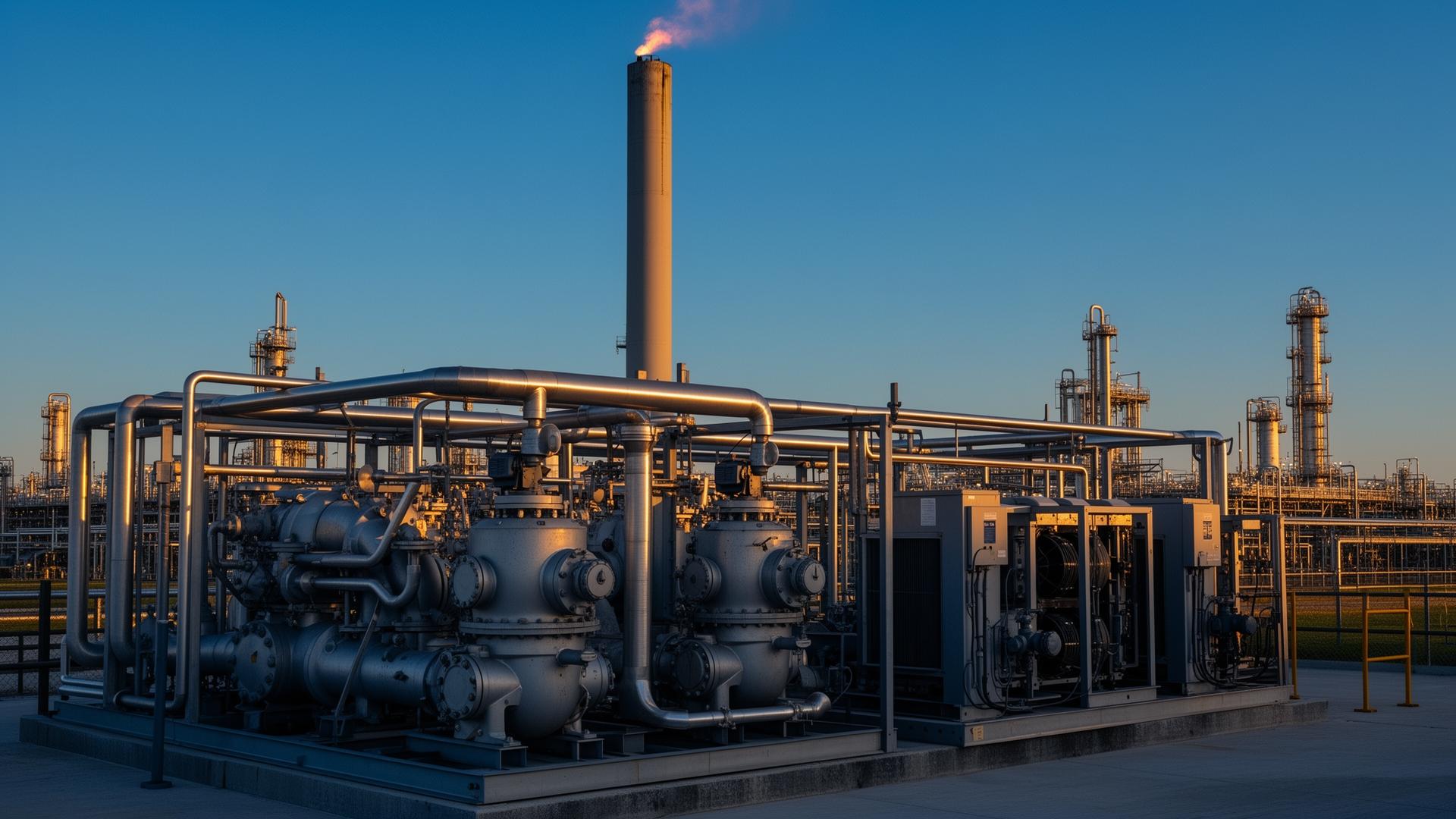
For many operators, that means starting with rotating equipment: compressors, pumps, and turbines that have high maintenance frequency and significant failure consequences. Replacing aging compression systems with modern, skid-mounted equivalents that include integrated controls and remote monitoring capability can dramatically reduce both maintenance hours and unplanned downtime. The cost of the upgrade is typically recovered within a few years through lower maintenance spend and improved process efficiency.
Piping systems are another common modernization priority. Older carbon steel piping in corrosive service conditions, a description that fits a significant portion of Gulf Coast gas processing infrastructure, degrades in ways that are not always visible during routine inspection. Replacing high-risk piping sections with appropriately specified materials, and doing so in a planned and staged manner, is far preferable to managing a failure that forces an emergency shutdown and potentially endangers personnel.
The Role of Fabrication Services in Infrastructure Modernization
Oil and gas fabrication services play a central role in modernization programs because so much of what needs to be replaced or upgraded is not available as a catalog item. The dimensions of existing equipment, the spatial constraints of a facility that has been modified and added to over decades, and the specific process conditions at a given site all create a situation where custom-fabricated replacement components are frequently the only practical option.
A fabrication partner that understands Gulf Coast oil and gas operations brings more than manufacturing capability to these projects. They bring application knowledge, an understanding of how the equipment will actually be used, what failure modes are most common in similar service, and what design choices will extend service life in the challenging conditions of a Gulf Coast facility. That knowledge is the difference between a replacement component that performs for twenty years and one that fails in five.
Regulatory Pressure as a Modernization Driver
Environmental and safety regulations have become a significant driver of Gulf Coast energy infrastructure modernization, independent of asset age or performance. EPA air emissions rules, state-level environmental regulations in Texas and Louisiana, and ongoing updates to OSHA process safety management requirements all create compliance obligations that aging infrastructure frequently cannot meet without modification.
Operators who wait for regulatory enforcement actions to trigger modernization investments face the worst of both worlds: emergency timelines, limited vendor availability, and the reputational damage that comes with a compliance violation. Proactive modernization programs that address regulatory exposure as part of a planned asset management strategy are consistently less expensive and less disruptive than reactive responses to enforcement pressure.
This is particularly true for emissions compliance, where the combination of EPA rules targeting methane and volatile organic compound emissions, state implementation plans, and increasing scrutiny of upstream and midstream operations has created a complex and evolving compliance landscape. Infrastructure that was permitted under old emissions thresholds may no longer be in compliance, and the investment required to bring it into compliance is often closely related to the broader modernization investments that aging assets require anyway.
Planning a Modernization Program That Works
Effective Gulf Coast energy infrastructure modernization starts with a rigorous asset assessment: a systematic review of equipment condition, maintenance history, compliance status, and process performance that identifies which assets are highest priority for investment. That assessment should be conducted by personnel who understand both the technical condition of the equipment and the regulatory and operational context in which it operates.
A successful modernization plan should:
- Allocate capital to the highest-impact opportunities first.
- Sequence projects to minimize operational disruption and align with planned turnarounds.
- Establish performance targets for each phase of the program.
- Engage fabrication partners early, so engineering and manufacturing capabilities inform the design of replacement systems from the outset.
CREATE Industries delivers integrated engineering, custom fabrication, and field services for Gulf Coast operators, helping Texas and Louisiana refineries, midstream facilities, and petrochemical complexes modernize aging infrastructure on a planned schedule rather than under enforcement pressure.
Frequently Asked Questions
How are assets prioritized in a Gulf Coast modernization program?
Assets are prioritized using risk-based criteria such as failure impact, safety risk, age, regulatory exposure, and operational criticality, so capital flows first to the equipment that drives the highest cost or compliance risk if it fails.
Can modernization happen without shutting down a Gulf Coast facility?
Yes. Modernization can usually be phased to keep facilities running, with shutdowns minimized through careful planning, pre-fabricated skid-mounted equipment, and tie-ins scheduled into existing turnaround windows.
What types of equipment do operators most often need fabricated during modernization?
Common needs include pressure vessels, custom piping systems, compressor and pump skids, control packages, and heat transfer equipment engineered to fit the spatial and process constraints of an existing Gulf Coast facility.
How does CREATE Industries support oil and gas infrastructure modernization?
CREATE Industries uses an integrated approach combining engineering, custom fabrication, and field services in one team, so design intent carries cleanly through manufacturing into installation and commissioning.
What regulations drive Gulf Coast energy infrastructure modernization?
Operators must comply with EPA air emissions rules (including methane and VOC standards), OSHA process safety management, state regulations from TCEQ in Texas and LDEQ in Louisiana, and DOT pipeline standards, all of which increasingly require upgrades to aging infrastructure.
How quickly can modernization investments pay back?
Most modernization projects targeting rotating equipment, controls, or piping integrity see payback within a few years through reduced maintenance spend, lower unplanned downtime, improved process efficiency, and avoided regulatory enforcement costs.
Modernize Your Gulf Coast Infrastructure With Confidence
Contact CREATE Industries for engineering, fabrication, and field services tailored to Gulf Coast oil and gas modernization, phased to keep your facility running.
Start a Project