Strategic Energy Infrastructure: Resilience and Precision in the Gulf South
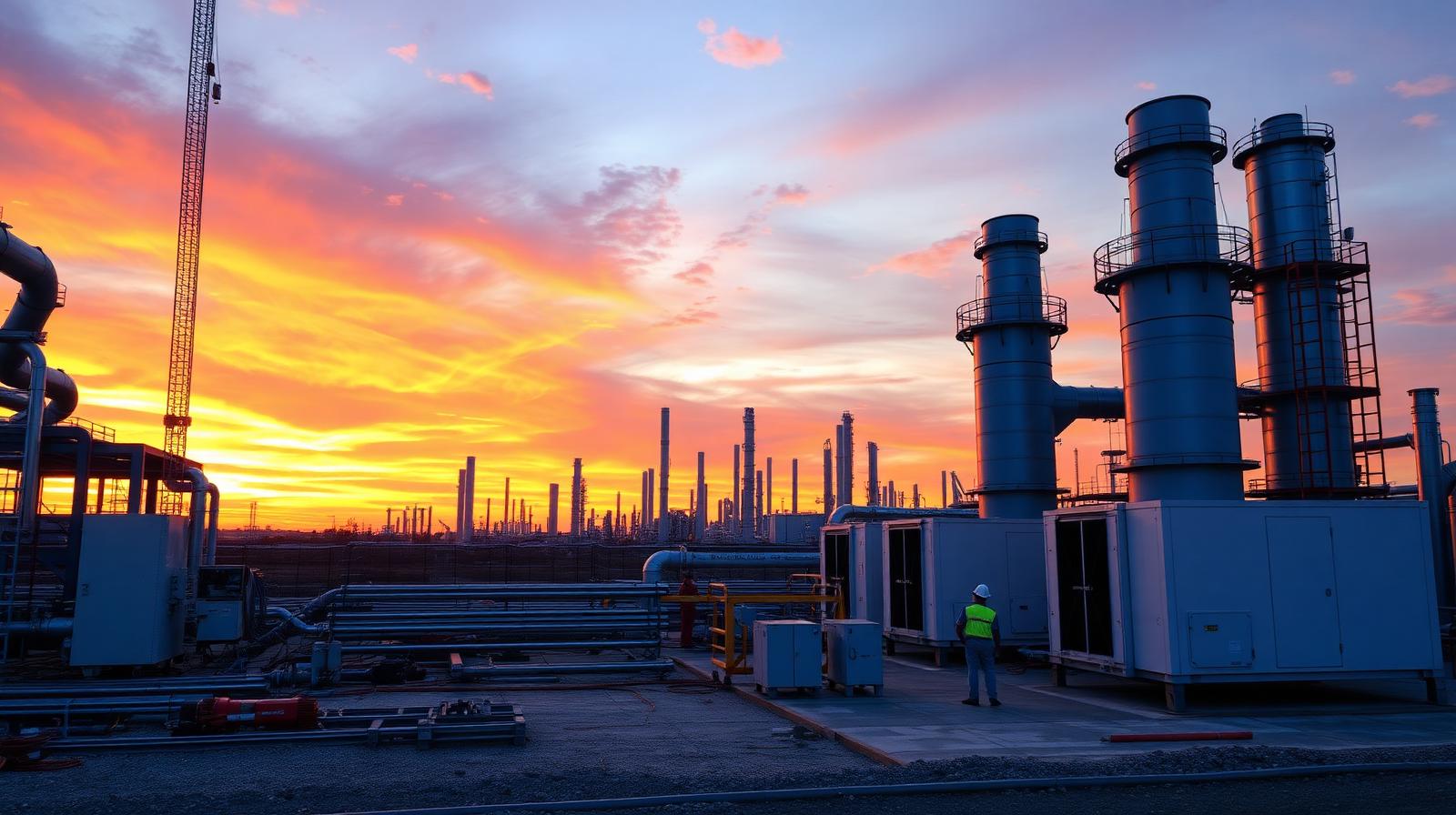
Across the industrial heartland of the Gulf Coast, stretching from the petrochemical hubs of Louisiana to the high capacity ports of Alabama, the blueprint for operational success is shifting. In an environment defined by intense humidity, salt air corrosion, and a demanding regulatory landscape, the role of an energy infrastructure construction company has evolved. It is no longer enough to simply build. One must build with the end of the lifecycle in mind.
For the modern asset manager, the synergy between initial fabrication and long term combustion equipment maintenance is the only reliable path to maximizing ROI. When maintenance accessibility is baked into the construction phase, facilities avoid the maintenance debt that leads to catastrophic downtime and safety failures.
Engineering for the Coastal Frontier: Beyond Standard Construction
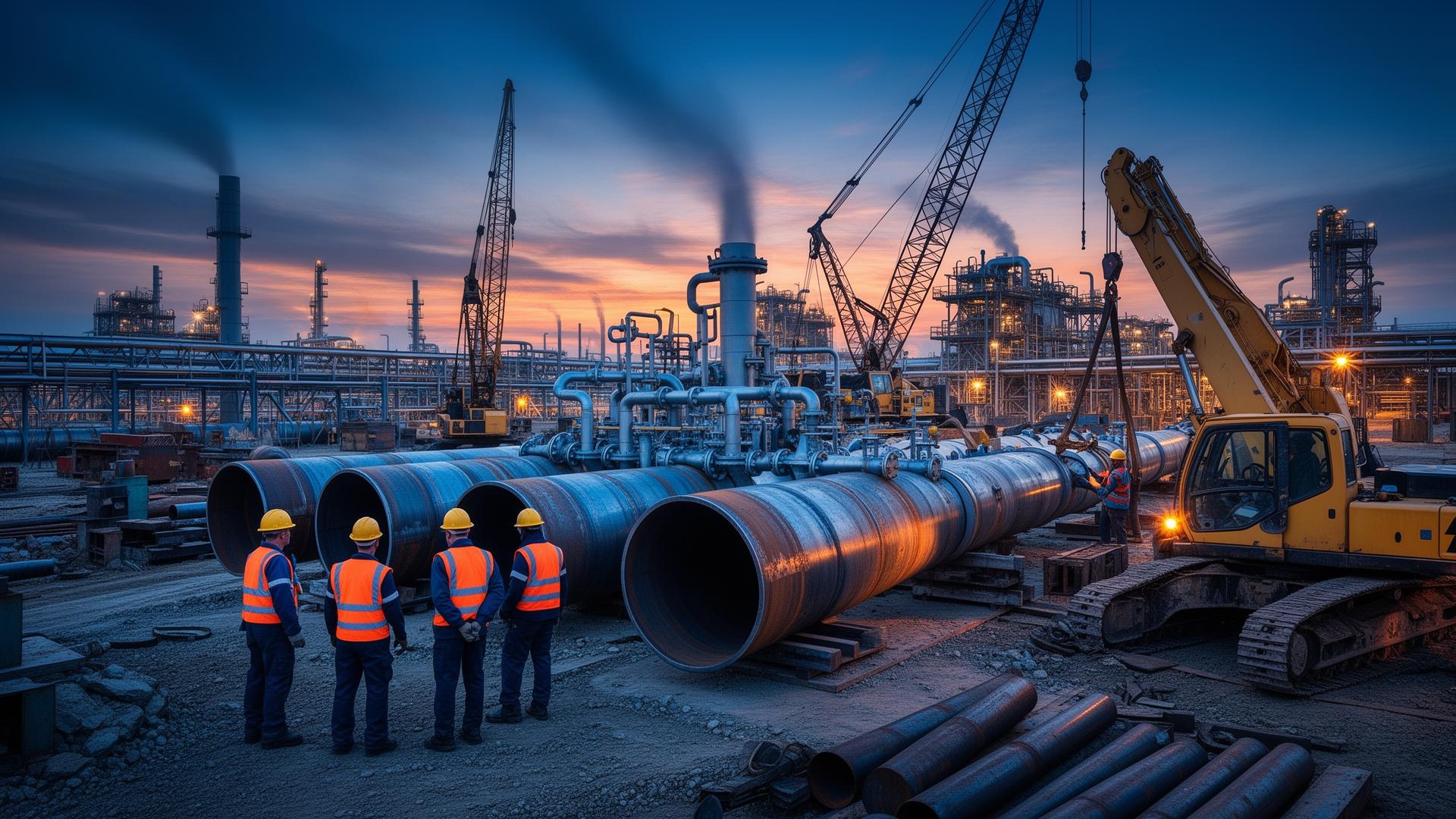
The Gulf Coast presents a unique set of engineering challenges that would compromise standard industrial builds within a few short years. Whether it is a new LNG export terminal or a specialized chemical processing plant, the infrastructure must be hardened against the elements.
The Impact of Modular Fabrication on Coastal Timelines
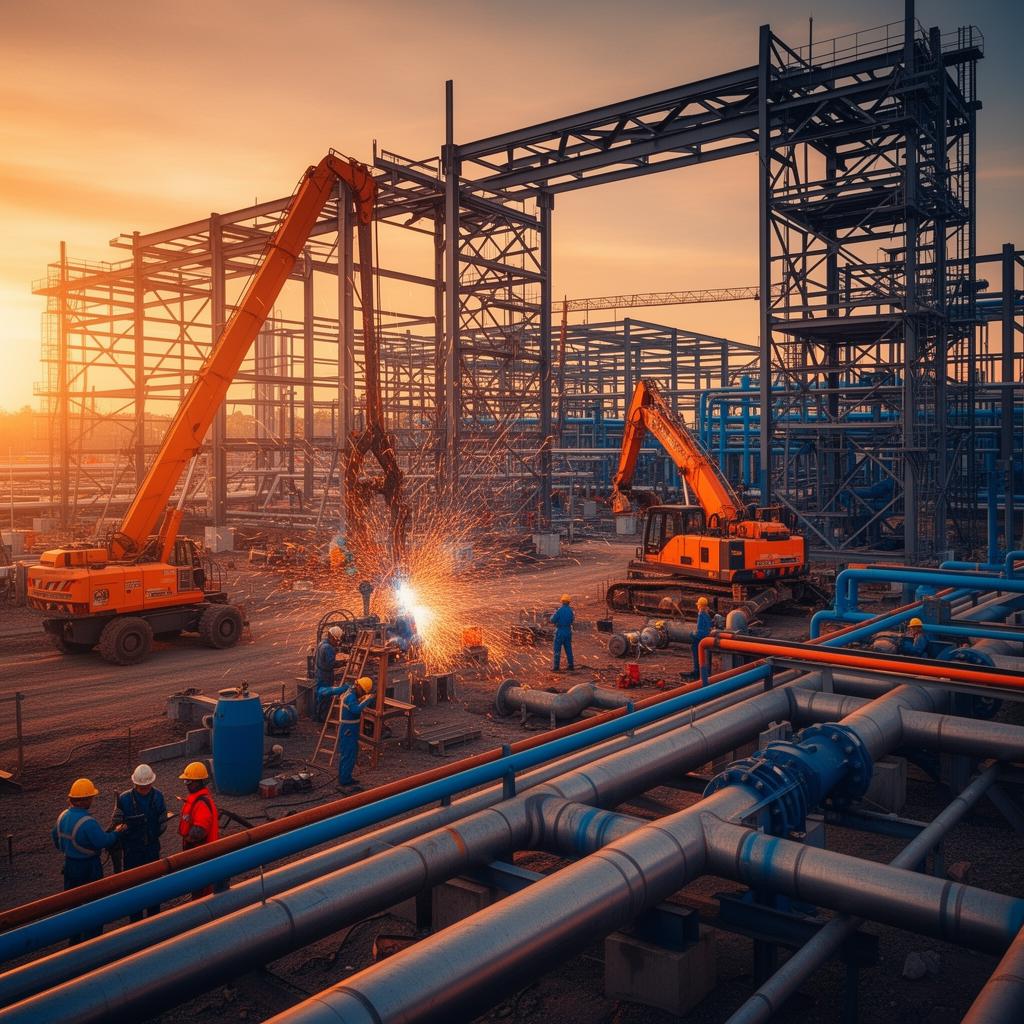
In the Deep South, weather is the greatest variable. To mitigate the risks of hurricane season and frequent tropical deluges, leading firms are pivoting toward advanced modular fabrication.
- Quality Control: Assembling critical energy components in climate controlled shops ensures that welds and coatings are applied in optimal conditions, free from the moisture driven oxidation common in field built projects.
- Speed to Market: By overlapping site preparation with off site assembly, Gulf Coast operators can reduce their time to first fire by months, a critical advantage in the competitive energy export market.
Defeating the Salt-Air Tax
Corrosion is a constant overhead cost for any facility within 50 miles of the Gulf. A premier energy infrastructure construction company integrates corrosion resistant materials such as high grade duplex stainless steels and specialized thermal spray aluminum (TSA) coatings at the design phase. This proactive choice significantly reduces the frequency of structural repairs and protects sensitive combustion controls from the degrading effects of the maritime atmosphere.
The Vital Pulse: Mastering Combustion Equipment Maintenance
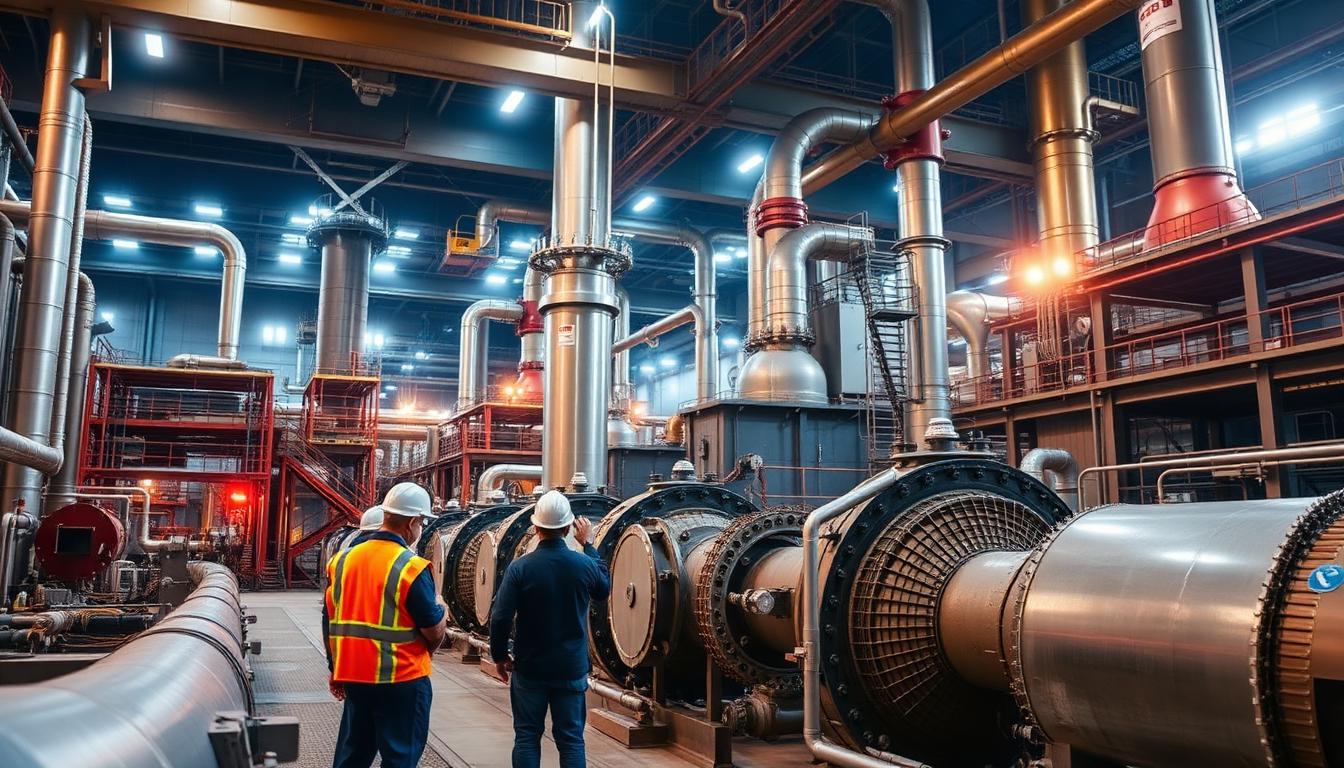
If the infrastructure is the body of a plant, the combustion systems, the boilers, furnaces, and thermal oxidizers are its heart. In the Gulf region, these systems often run at 90% capacity or higher year round to meet global demand. This constant stress makes maintaining combustion equipment a non negotiable priority.
The Hidden Costs of Thermal Inefficiency
In an era of fluctuating fuel prices and tightening carbon caps, even a 1% drop in burner efficiency can result in six figure losses annually for a large scale facility. In the high ambient heat environment of a Mississippi or Alabama summer, air density changes. Without precision tuning, burners can become fuel rich, leading to:
- Soot Accumulation: Which acts as an insulator, forcing the system to work harder to achieve the same thermal output.
- Refractory Stress: Uneven flame patterns caused by poor tuning can create hot spots, leading to the rapid degradation of the refractory lining.
Navigating the Gulf's Regulatory High-Bar
The Gulf Coast is subject to some of the most stringent environmental monitoring in the country. From the EPA's Clean Air Act mandates to state specific DEQ requirements, industrial emissions are under constant scrutiny. Regular maintenance ensures that NOX and CO levels remain within legal limits, preventing the heavy fines and cease and desist orders that can paralyze a regional operation.
Predictive Strategies: The Future of Industrial Upkeep
The industry is moving away from break fix mentalities toward a predictive, data driven model. This is especially vital for the I-10 industrial corridor, where a single equipment failure can ripple through the entire supply chain.
Seasonal Combustion Calibration
The Gulf's transition from a humid 95F summer to a damp 40F winter significantly alters the oxygen content available for combustion. Professional maintenance teams provide seasonal re-calibration of Burner Management Systems (BMS) to ensure that the air to fuel ratio remains optimized regardless of the dew point or barometric pressure.
Advanced Refractory Diagnostics
Modern maintenance utilizes infrared thermography to see through the steel casings of furnaces and boilers. By identifying thinning refractory or failing insulation before it reaches the outer shell, technicians can schedule surgical repairs during planned outages, avoiding the nightmare of an emergency red-tag shutdown.
Logic and Control System Validation
As Gulf Coast facilities become smarter, the complexity of the control logic increases. Maintaining combustion equipment now involves deep dives into the software and sensors that govern safe operations. Ensuring that flame scanners, fuel train valves, and emergency shut off protocols are perfectly calibrated is the ultimate insurance policy against industrial accidents.
The ROI of Synergy: Why the Build-Maintain Loop Works
The most successful energy projects in the South are those that bridge the gap between the construction crews and the service technicians. When a facility is built for service, it enjoys several distinct advantages:
- Lower Labor Costs: When access platforms and hoist points are included in the initial construction, technicians spend less time setting up scaffolding and more time performing actual maintenance.
- Extended Asset Life: A boiler that is easy to clean and tune will inevitably outlast one that is tucked away in an inaccessible corner of the plant.
- Reduced Spare Parts Drag: Standardized construction allows for a streamlined inventory of valves, gaskets, and nozzles across multiple Gulf Coast sites.
Driving the Energy Transition in the South
The Gulf Coast is at the epicenter of the global shift toward lower carbon energy. From hydrogen ready burners to carbon capture integration, the next generation of infrastructure must be versatile.
An expert energy infrastructure construction company assists regional clients in future proofing their assets. This involves retrofitting aging combustion systems with high efficiency low NOX burners and integrating waste heat recovery units that turn exhaust into usable energy, significantly lowering the carbon intensity of every unit produced.
Choosing Your Regional Industrial Partner
In the complex landscape of Southern industry, your choice of partner defines your operational ceiling. The ideal partner should offer:
- Regional Versatility: Experience ranging from the timber and paper mills of the piney woods to the heavy refineries of the coast.
- Safety as a Culture: A commitment to safety that exceeds OSHA standards, recognizing that in heavy industry, a single mistake can be catastrophic.
- End to End Accountability: A partner that can take a project from the first weld through ten years of precision tuning.
Final Thoughts
Reliability on the Gulf Coast is built on two pillars: rugged initial construction and meticulous ongoing care. By selecting an energy infrastructure construction company that understands the unique demands of the South and pairing that build with a rigorous combustion equipment maintenance program, industrial leaders can secure their place in the global market. In a region where the environment is tough and the competition is tougher, precision is not just a preference. It is the standard for survival.
Frequently Asked Questions
What does an energy infrastructure construction company do on the Gulf Coast?
An energy infrastructure construction company designs, fabricates, and installs critical industrial assets like LNG terminals, chemical processing units, boilers, thermal oxidizers, and modular skids, hardened for the Gulf Coast climate and built with long term combustion equipment maintenance in mind.
Why is combustion equipment maintenance so important in the Gulf South?
Gulf Coast facilities run boilers, furnaces, and thermal oxidizers near full capacity year round. Even a 1% drop in burner efficiency can cost six figures annually, and poor tuning leads to soot, refractory damage, and emissions violations under EPA Clean Air Act and state DEQ rules.
How does modular fabrication shorten Gulf Coast project timelines?
Modular fabrication assembles critical components in climate controlled shops, free from humidity and rain damage. Off site assembly overlapped with site preparation reduces time to first fire by months, a major advantage during hurricane season and in the competitive energy export market.
What is the salt-air tax and how do contractors mitigate it?
The salt-air tax is the ongoing corrosion cost for any facility within 50 miles of the Gulf. Premier energy infrastructure construction companies mitigate it with high grade duplex stainless steels, thermal spray aluminum coatings, and corrosion resistant designs specified at the engineering phase.
What is predictive combustion maintenance?
Predictive combustion maintenance uses seasonal burner re-calibration, infrared thermography for refractory diagnostics, and validation of flame scanners and fuel train logic to catch problems before they cause unplanned shutdowns or emissions excursions.
Why does build-to-maintain integration deliver better ROI?
When access platforms, hoist points, and standardized parts are designed into the original build, technicians spend less time on scaffolding and more time on actual maintenance. The result is lower labor costs, longer asset life, and a leaner spare parts inventory across multiple Gulf Coast sites.
Build for Performance. Maintain for the Long Haul.
CREATE Industries delivers integrated energy infrastructure construction and combustion equipment maintenance for Gulf Coast operators. Let's talk about your facility.
Start a Project