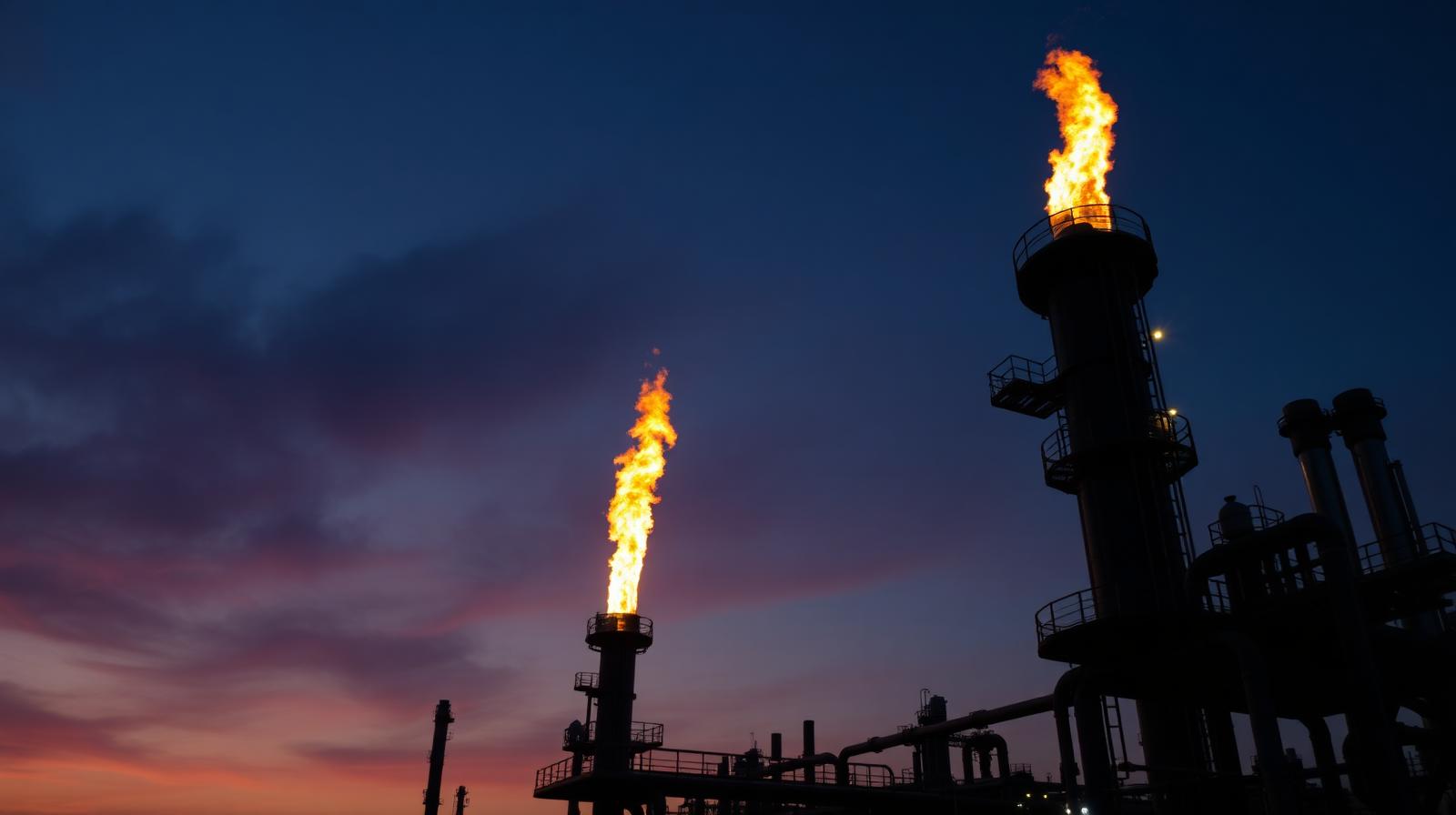
Gulf Coast Flare Gas Recovery Systems: Waste Gas to Energy Solutions
Gulf Coast refineries and petrochemical plants flare 1.2 Bcf daily of valuable hydrocarbons, equivalent to $400M/year in wasted energy. Flare gas recovery systems (FGR) capture 95-98% of this waste gas, compressing it for reuse as fuel gas, LPG feedstock, or NGL injection, while achieving EPA methane regulations and TCEQ zero-flaring targets.
CREATE Industries delivers complete flare gas recovery solutions for Gulf Coast facilities: FGR system design, modular fabrication, rapid installation, and integration with existing flare systems and thermal oxidizers. With Texas SB 1123 and federal methane rules mandating 95% capture by 2028, FGR systems offer compliance certainty and 24-month payback.
The Gulf Coast Flare Gas Recovery Imperative
Gulf Coast facilities flare during startup and shutdown, process upsets, and compressor seal leaks, wasting associated gas that could fuel boilers, generators, or crackers. Flare gas recovery systems compress low-pressure flare header gas (5-20 psig) to 75-150 psig fuel gas pressure, eliminating routine flaring.
Texas benefits include:
- Regulatory: EPA Subpart OOOOa 95% capture requirement.
- Economic: $4.50/Mcf natural gas equivalent recovery.
- ESG: 90% methane emissions reduction for Scope 1 reporting.
CREATE Industries FGR systems handle 2-25 MMSCFD flows typical of Houston Ship Channel refineries, capturing propane, butane, and ethane fractions.
Core Components of Gulf Coast FGR Systems
Gulf Coast flare gas recovery engineering addresses variable composition, corrosive H2S, and hurricane resilience. Each system ships with the following hardened components:
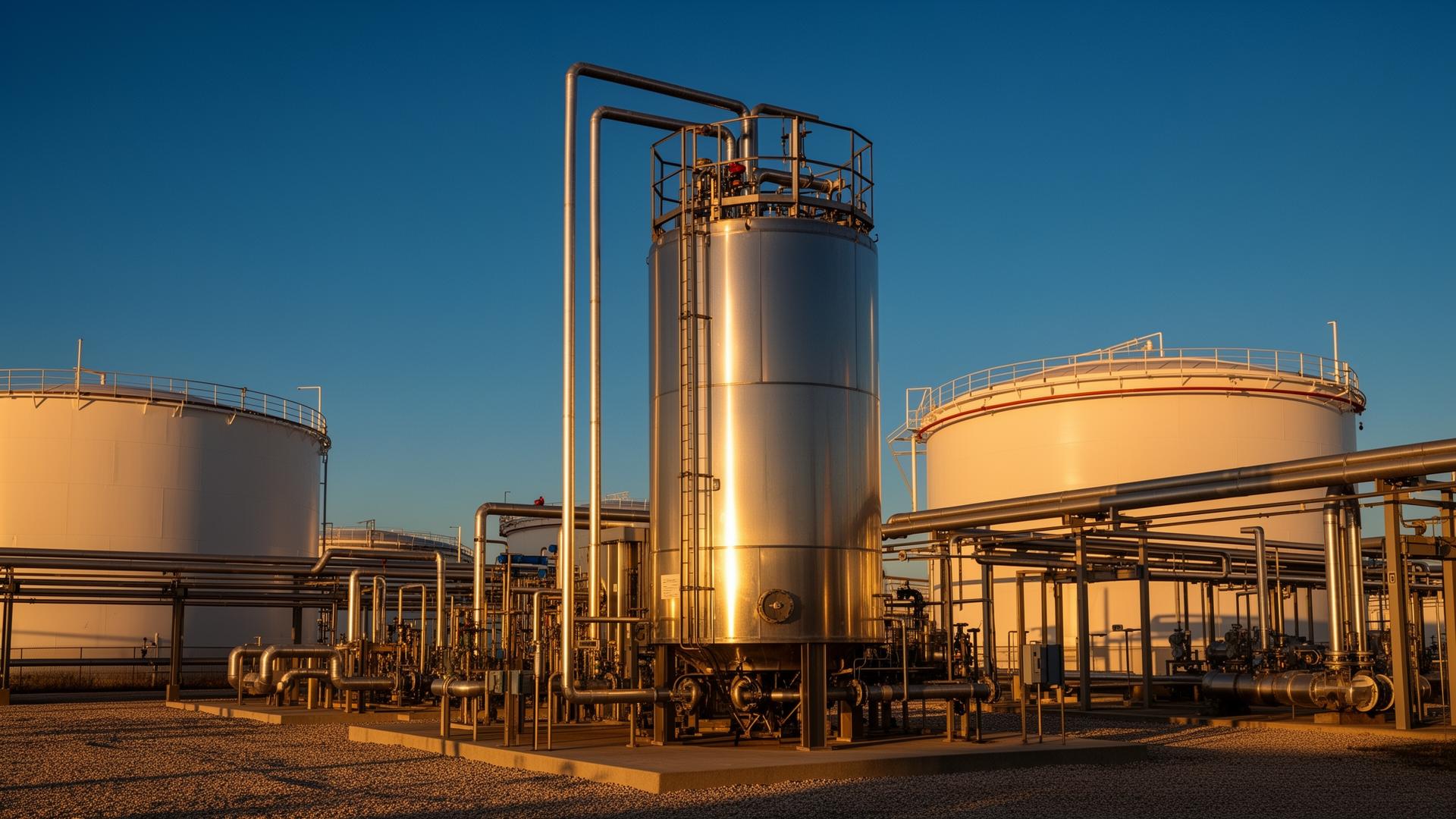
- Knockout drum: Separates liquids (propane and C3+) preventing compressor liquid carryover.
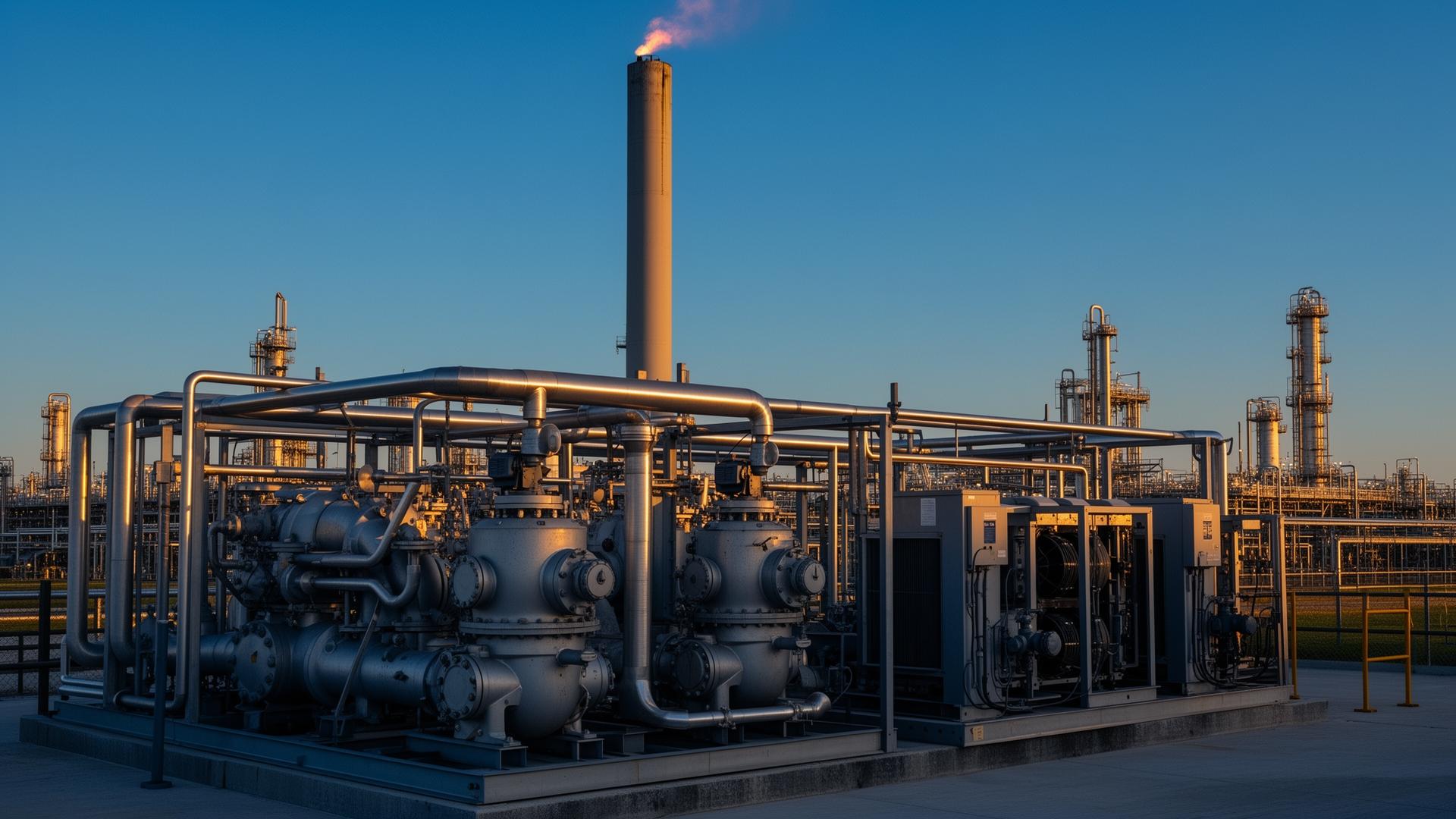
- Screw compressors: API 619, 75-150 psig discharge, turndown 40-100%.
- Refrigeration skid: 35°F chiller yields NGL liquids (C3/C4).
- Fuel gas scrubber: Removes H2S to under 4 ppm pipeline spec.
- Molecular seal bypass: Zero flare flow during FGR downtime.
Controls run on Allen-Bradley PLC with flare header pressure control (5-15 psig) and automatic flare bypass above 95% LEL.
FGR System Types for Gulf Coast Applications
CREATE Industries offers three flare gas recovery configurations:
- Refrigerated FGR: 95% capture with liquid recovery (C3+) for Mont Belvieu fractionators.
- Straight-compression FGR: Dry gas to fuel (methane and ethane) for refinery heaters.
- Hybrid FGR: Integrated with vapor recovery units (VRUs) for marine terminals.
All systems meet API 521 pressure relief standards with 100% flare bypass capacity for emergency events.
Precision FGR Design for Gulf Coast Operations
Gulf Coast FGR system design analyzes flare header data from 3-6 months of flow metering:
- Flare study inputs: Peak/emergency flows (100 MMSCFD), routine flows (2-10 MMSCFD), and gas gravity (0.7-1.2).
- Compressor sizing: 40-100% turndown maintains 95% capture at 5 psig header pressure.
- H2S engineering: Amine contactor or molecular sieve for sour gas (over 500 ppm).
- Heat recovery: 800°F compressor aftercooler preheat for process service.
Port Arthur project: a 12 MMSCFD refrigerated FGR system captures 97.2% of routine flaring, yielding 450 bbl/day C3+ liquids.
Rapid Gulf Coast FGR Installation Strategy
Flare gas recovery installation completes during refinery turnarounds (21-28 days). CREATE Industries modular FGR skids (25x12 ft) arrive pre-piped:
- Day 1-4: Compressor foundation and flare header tie-in.
- Day 5-10: Refrigeration skid and fuel gas scrubber installation.
- Day 11-16: Electrical, PLC programming, and leak testing per ASME B31.3.
- Day 17-21: Performance test and 95% capture verification.
Beaumont, TX case: a 15 MMSCFD FGR system online Day 19 of the 2025 turnaround, immediate $285K/month fuel gas value.
Gulf Coast FGR Maintenance: Uptime Critical
Gulf Coast FGR maintenance ensures 98% availability during volatile markets:
- Weekly: Compressor vibration analysis and seal oil condition.
- Monthly: Knockout drum level controls and refrigeration capacity.
- Quarterly: Molecular seal inspection and H2S media replacement.
- Annual: API 521 flare study update and compressor rebuild.
CREATE Industries Houston service teams provide remote PLC monitoring and 4-hour response during turnarounds.
Exceptional Gulf Coast ROI
CREATE Industries flare gas recovery systems deliver rapid ROI:
- Revenue: 12 MMSCFD = 6.5 MMcf/day fuel gas ($1.25M/month at $4.50/Mcf).
- Savings: Eliminates EPA fines ($10K/day methane exceedance).
- Liquids: 450 bbl/day C3+ at $35/bbl = $475K/month.
Texas regulatory credits include:
- TCEQ routine flaring exemption.
- Title V permit renewal acceleration.
- SB 1123 methane intensity compliance.
Seamless Integration with Emission Control Portfolio
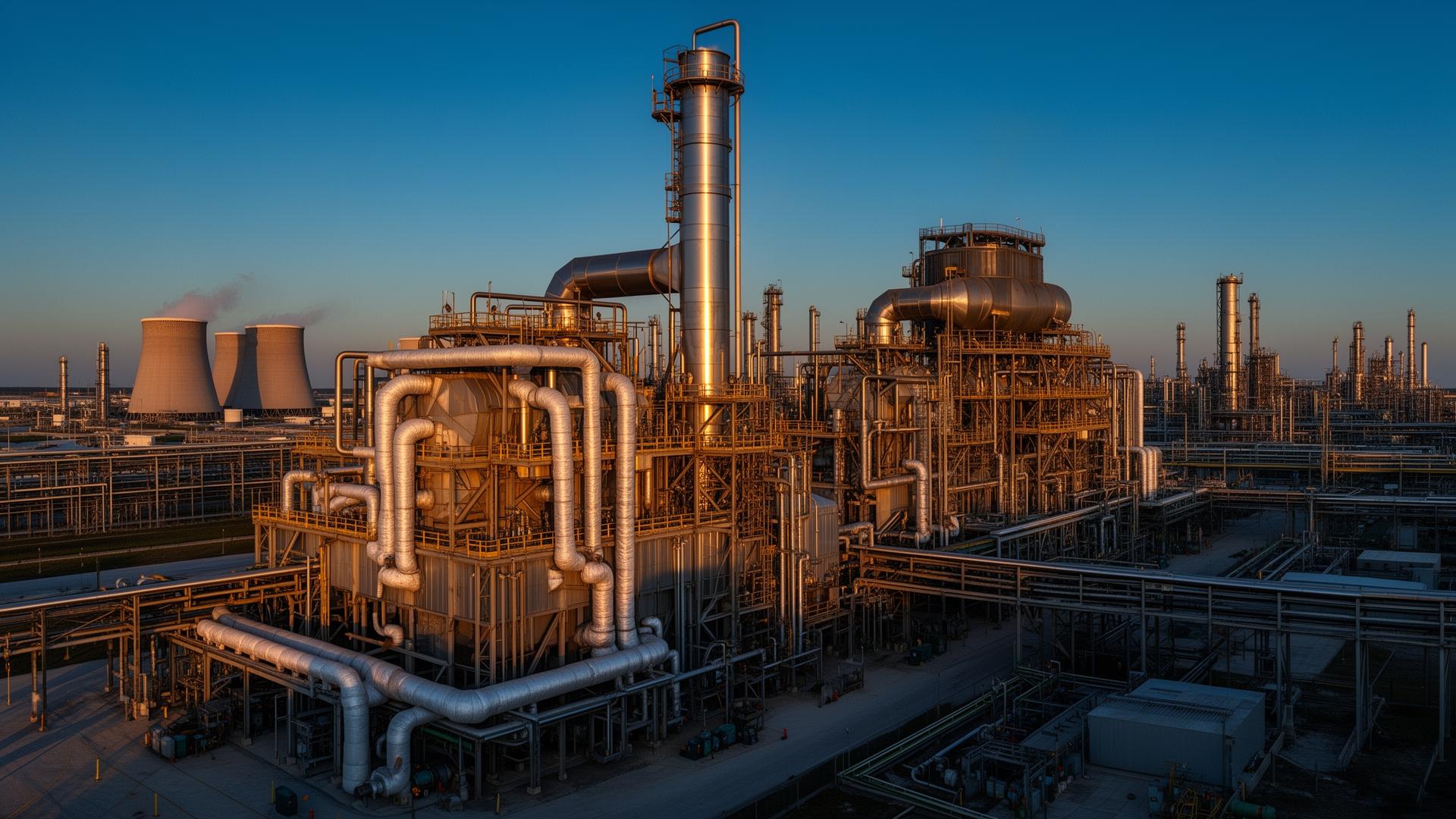
CREATE Industries FGR systems complement flare systems (emergency relief), thermal oxidizers (process vents), and vapor combustors (tank breathing). The integrated control philosophy:
- FGR: Routine flare header (5-20 psig).
- Vapor combustors: Storage tanks (under 2 psig).
- Thermal oxidizers: Marine loading (5-15 psig).
- Flare systems: Emergency blowdown (over 100 psig).
Houston Ship Channel refineries achieve 98% total VOC destruction through CREATE Industries' complete emission control portfolio.
With 45+ Gulf Coast FGR installations, CREATE Industries dominates flare gas recovery for Texas and Louisiana refineries and petrochemical complexes. Proven results include 12+ MMSCFD capture rates, 97% routine flaring elimination, and $100M+ in annual fuel gas value created for Gulf Coast operators.
Frequently Asked Questions
What is a flare gas recovery system and why does it matter on the Gulf Coast?
A flare gas recovery (FGR) system captures 95-98% of the low-pressure hydrocarbons that would otherwise be flared, compressing them from 5-20 psig flare header pressure up to 75-150 psig fuel gas pressure for reuse as fuel, LPG feedstock, or NGL injection. With Gulf Coast facilities flaring roughly 1.2 Bcf daily, about $400M/year in wasted energy, FGR converts that loss into revenue while meeting EPA Subpart OOOOa, TCEQ zero-flaring targets, and Texas SB 1123 methane intensity rules.
What flare gas recovery system types does CREATE Industries deploy?
We deploy three configurations: refrigerated FGR for 95% capture with C3+ liquid recovery (ideal for Mont Belvieu fractionators), straight-compression FGR producing dry fuel gas (methane and ethane) for refinery heaters, and hybrid FGR integrated with vapor recovery units (VRUs) for marine terminals. All systems meet API 521 pressure relief standards with 100% flare bypass capacity for emergency events.
How fast can a Gulf Coast FGR system be installed?
FGR installation completes inside a typical 21-28 day refinery turnaround. CREATE Industries' modular 25x12 ft FGR skids arrive pre-piped, allowing tie-in to the flare header on Day 1-4, refrigeration and scrubber install Day 5-10, electrical and PLC programming Day 11-16, and 95% capture verification by Day 17-21. A Beaumont, TX project brought a 15 MMSCFD FGR system online by Day 19, generating $285K/month in immediate fuel gas value.
What ROI does a Gulf Coast flare gas recovery system deliver?
A 12 MMSCFD refrigerated FGR system typically yields about $1.25M/month in recovered fuel gas at $4.50/Mcf, plus 450 bbl/day of C3+ liquids at $35/bbl ($475K/month), while eliminating $10K/day EPA methane exceedance fines. Combined with TCEQ routine flaring exemptions and accelerated Title V renewals, the systems usually pay back in 24 months.
How do FGR systems integrate with flare systems, thermal oxidizers, and vapor combustors?
CREATE Industries operates a tiered emission control philosophy: FGR captures the routine flare header (5-20 psig), vapor combustors handle storage tank breathing (under 2 psig), thermal oxidizers destroy marine loading and process vents (5-15 psig), and flare systems are reserved for emergency blowdown (over 100 psig). Houston Ship Channel refineries running this complete portfolio achieve up to 98% total VOC destruction.
How is a Gulf Coast FGR system maintained for high uptime?
Maintenance targets 98% availability through weekly compressor vibration analysis and seal oil checks, monthly knockout drum and refrigeration capacity reviews, quarterly molecular seal inspections and H2S media replacement, and an annual API 521 flare study refresh with full compressor rebuild. CREATE Industries' Houston service teams provide remote PLC monitoring with a 4-hour response SLA during turnarounds.
Turn Wasted Flare Gas Into Revenue
Contact CREATE Industries for your Gulf Coast flare gas recovery solution. Free flare study and FGR feasibility analysis available, with 95%+ capture and zero routine flaring.
Start a Project