From Legacy Equipment to Modern Systems: A Gulf Coast Industrial Operator's Roadmap
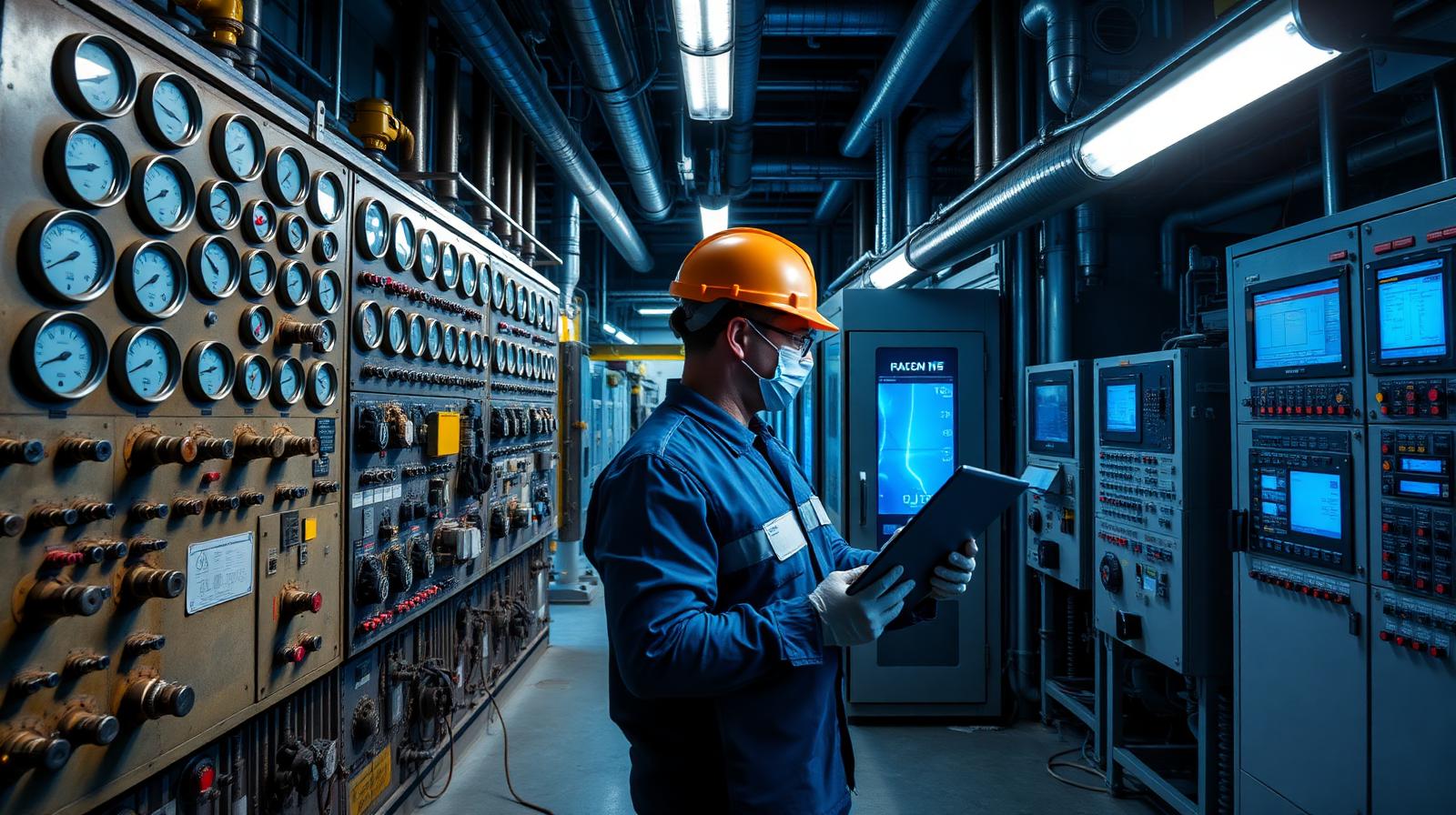
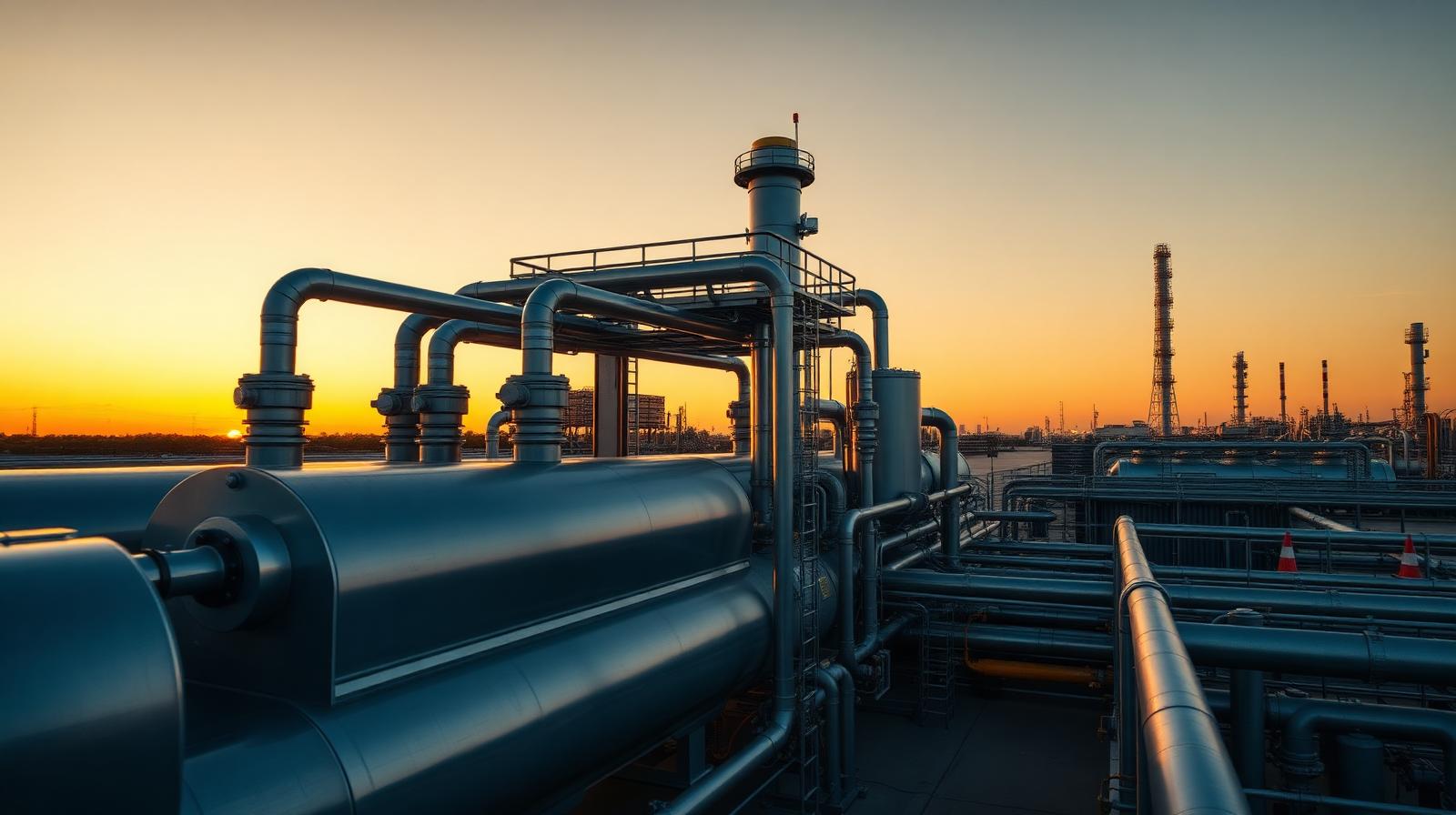
There is a version of this story playing out at industrial facilities across the Gulf Coast. A plant that was state of the art in 1988 or 1995 is now operating with equipment that the original manufacturer no longer supports, controlled by systems that predate modern networking, and maintained by technicians whose institutional knowledge is approaching retirement age. Legacy industrial system modernization Gulf Coast operators need is not just a capital planning exercise, it is a survival strategy for businesses that want to remain competitive in an era of tightening margins, rising regulatory expectations, and accelerating technology change.
The Hidden Costs of Running Legacy Systems
The most dangerous thing about aging industrial equipment is that it often continues to function, masking its true cost. A compressor that still delivers pressure does not announce that its efficiency has declined by fifteen percent since installation, or that the maintenance labor required to keep it running has tripled over the past decade, or that a failure of its aging control system would trigger a two-week plant shutdown.
These hidden costs accumulate quietly and consistently. Maintenance spend on aging equipment follows an exponential rather than linear curve: as components age, failure modes multiply, spare parts become scarce and expensive, and the time required for each repair increases. Plants that track maintenance cost per unit of output, rather than just aggregate maintenance spend, often find that their legacy equipment is consuming a disproportionate share of their maintenance budget relative to its contribution to production.
Why Gulf Coast Operations Face Unique Modernization Challenges
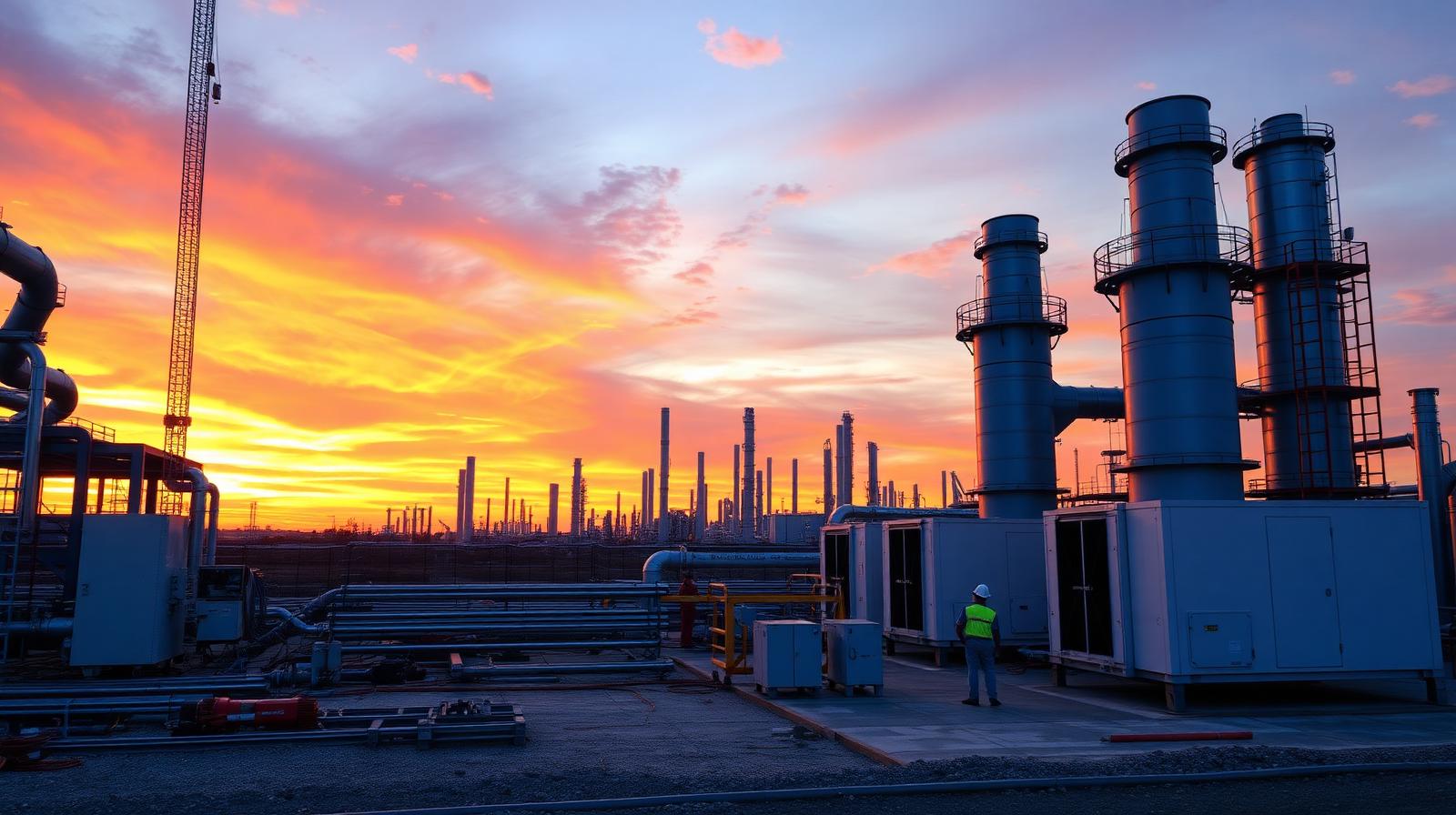
Gulf Coast industrial facilities face a specific set of challenges that make legacy modernization both more complex and more urgent than it might be in other regions. The combination of a corrosive coastal environment, extreme summer temperatures, the historical density of hazardous material handling in the region, and the concentration of aging infrastructure from several decades of intense industrial development creates a modernization context with few parallels in the United States.
The corrosive environment deserves particular attention. Salt air, humidity, and the chemical environment of many Gulf Coast industrial facilities accelerate the degradation of equipment at a rate that inland facilities do not experience. Equipment that might function adequately for thirty years in a dry climate may develop significant integrity issues at twenty years on the Gulf Coast. Modernization programs for Gulf Coast facilities need to account for this accelerated degradation in both the assessment of existing equipment and the specification of replacement systems.
A Practical Roadmap for Industrial Modernization
Successful legacy industrial system modernization on the Gulf Coast follows a consistent pattern, regardless of facility type or the specific systems being upgraded. The process begins with an honest assessment of the current state, not just the technical condition of equipment, but the operational performance, maintenance history, regulatory compliance status, and strategic importance of every significant system in the facility.
That assessment establishes the foundation for a prioritized modernization plan:
- Top of list: systems closest to failure, with the greatest compliance risk, or with the largest impact on facility-wide performance.
- Mid-priority: aging-but-reliable systems with manageable maintenance costs and low compliance exposure.
- Planned cycle: equipment with adequate condition that fits cleanly into a future replacement window.
Not everything can or should be modernized at once, and the sequence of upgrades matters enormously.
Integrating Modern Controls and Automation
One of the highest-value modernization investments for many Gulf Coast legacy facilities is the upgrade of control systems and the addition of modern automation capabilities. Process control systems installed in the 1980s and 1990s operate on architectures that are not networkable, not remotely accessible, and not capable of the data collection and analysis that modern process optimization requires.
Replacing these systems with modern distributed control systems (DCS) or programmable logic controller (PLC) platforms, integrated with human-machine interfaces (HMI) and connected to facility-wide data historians, transforms what a plant can know about its own operations and how quickly it can respond to process deviations. The operational benefits are substantial and quantifiable:
- Reduced variability in process output and product quality.
- Faster response to upset conditions and alarms.
- Better energy optimization across rotating equipment and heat integration.
- Improved safety system reliability through modern SIS architectures.
CREATE Industries incorporates AI automation and process intelligence into its modernization projects, helping Gulf Coast operators move from reactive to predictive maintenance models and from manual to automated process control. This capability, combined with deep experience in Gulf Coast energy and industrial operations, allows for modernization programs that deliver both immediate operational improvements and long-term strategic positioning.
Managing Modernization Without Shutting Down
The practical challenge that concerns Gulf Coast operators most about legacy modernization is how to execute it without taking their facilities offline for extended periods. For most operations, a prolonged shutdown is not economically viable, the lost production revenue dwarfs the cost of the modernization project itself. Managing modernization as a phased, planned program that keeps critical systems operational while systematically replacing and upgrading components is essential.
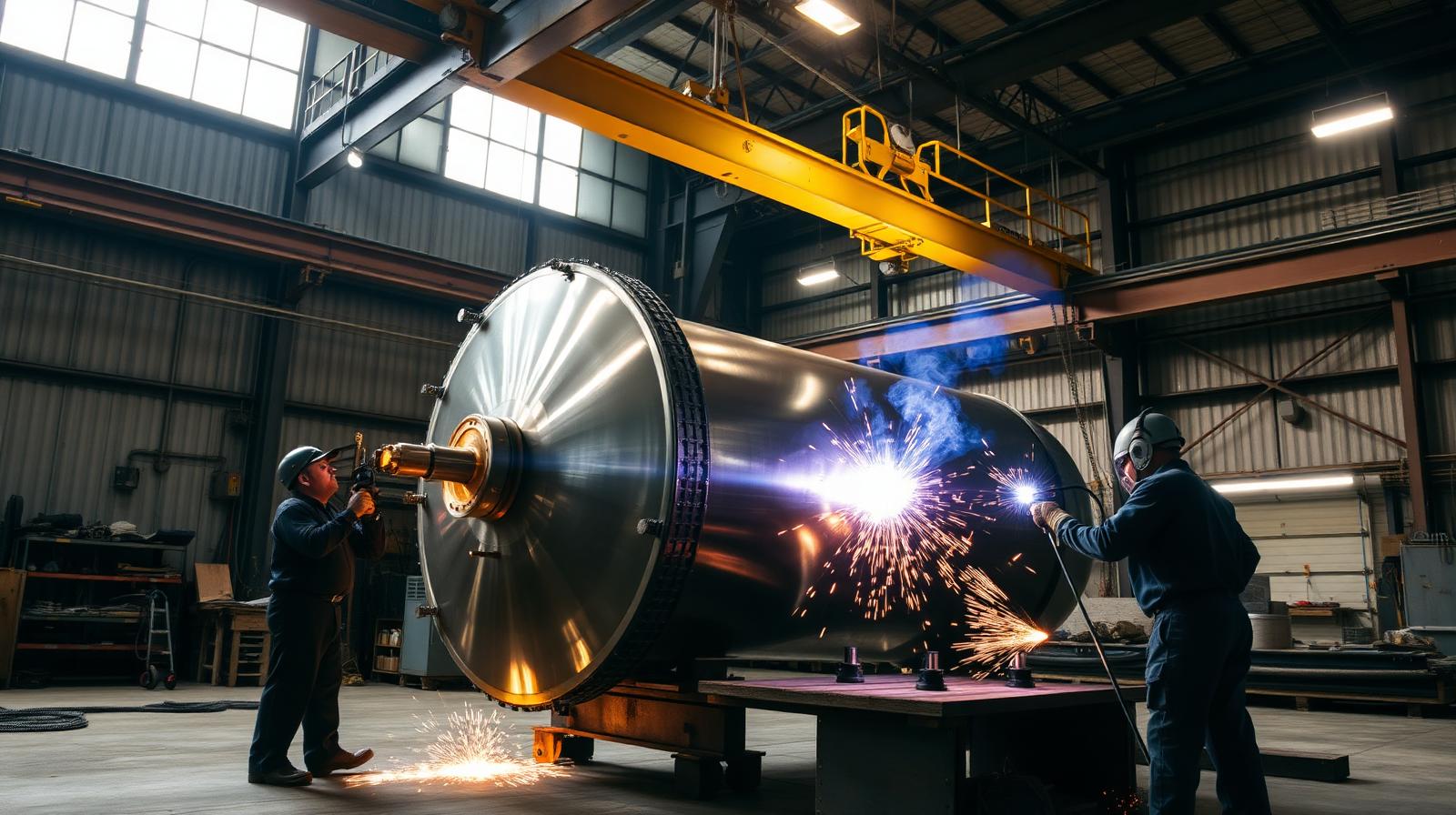
This requires careful coordination between engineering, fabrication, and operations teams, and it places a premium on fabrication partners who can meet tight delivery schedules, provide equipment with dimensional accuracy that minimizes field modification time, and support rapid installation by field crews who are working within the constraints of an operating facility. CREATE Industries' integrated model, engineering, fabrication, and field service capabilities in one organization, is specifically designed to support this kind of demanding modernization environment.
The companies that navigate Gulf Coast industrial modernization most successfully are those that approach it as a continuous program rather than a one-time project. Legacy systems do not all reach the end of their useful life at the same time, and the regulatory and technology landscape does not stand still while a facility is being modernized. Building the organizational capability, the planning discipline, the engineering relationships, the fabrication partnerships, to manage ongoing modernization as a routine part of facility management is the real competitive advantage that modern Gulf Coast industrial operators are building.
Frequently Asked Questions
How do we know when legacy equipment has reached the point where modernization is more cost-effective than continued maintenance?
Modernization becomes cost-effective when annualized maintenance, downtime risk, and compliance costs exceed the annualized cost of replacement. Tracking maintenance cost per unit of output, not just total maintenance spend, is the clearest signal that an asset is consuming a disproportionate share of budget relative to its contribution to production.
What is the typical timeline for a Gulf Coast industrial modernization project?
Timelines range from a few weeks for small upgrades to several years for full multi-phase modernization, depending on scope, regulatory triggers, and operational constraints. Most successful programs are structured as a continuous, planned cadence rather than a single project.
How does CREATE Industries support operators through the full modernization lifecycle?
CREATE Industries supports the full lifecycle from assessment and design to fabrication, installation, and commissioning under one integrated team, reducing handoff risk, accelerating delivery, and keeping engineering intent intact through startup.
Can AI and automation technology be added to an existing facility without a complete systems overhaul?
Yes. AI and automation can often be integrated into existing facilities, ranging from simple monitoring upgrades to phased control system modernization, depending on system condition, goals, and budget. Many operators start with data historians and predictive analytics before replacing the underlying DCS or PLC platform.
What role does institutional knowledge play in Gulf Coast modernization projects, and how is it captured?
Institutional knowledge is critical in modernization, and it is captured through system walkdowns, as-built verification, P&ID redlines, and detailed documentation. This prevents surprises during construction and supports future operations long after the original technicians have retired.
Build Your Gulf Coast Modernization Roadmap
Contact CREATE Industries for legacy system assessment, phased modernization planning, and integrated engineering, fabrication, and field services for Gulf Coast facilities.
Start a Project