Industrial Air Abatement Services: How to Keep Your Facility Compliant and Efficient
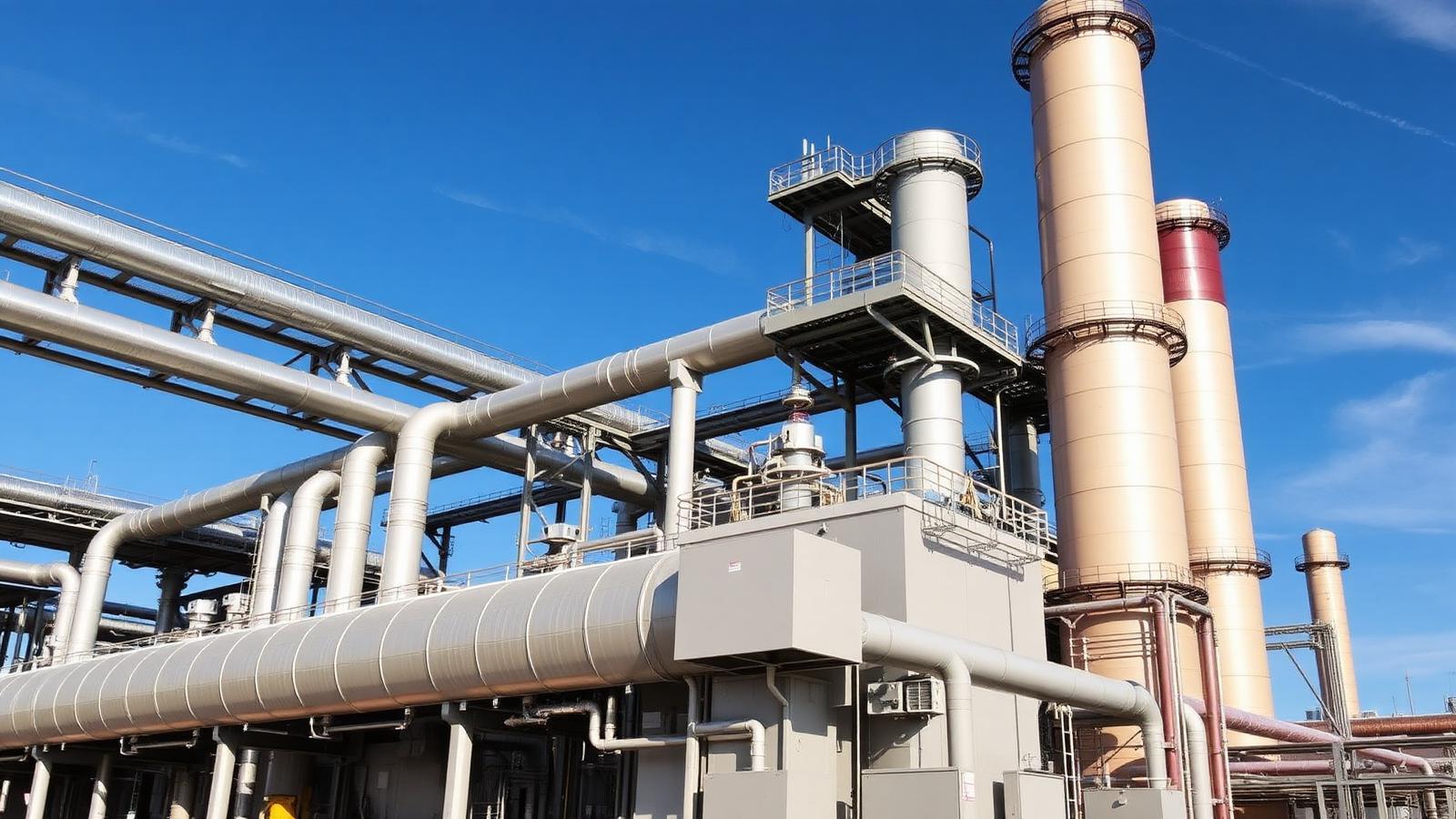
Air quality regulations in the United States are among the most comprehensive in the world. For industrial operators, staying compliant with EPA emissions standards, state air permits, and Title V requirements is not optional; it is a business imperative. The systems that make compliance possible are broadly categorized under air abatement: equipment and processes designed to capture, destroy, or neutralize harmful emissions before they reach the atmosphere.
CREATE Industries' Environmental Services division is a national leader in air abatement system service, repair, and optimization. This article provides a thorough overview of industrial air abatement technologies, the services required to maintain them, and why proactive maintenance is the most cost-effective compliance strategy.
What Are Industrial Air Abatement Systems?
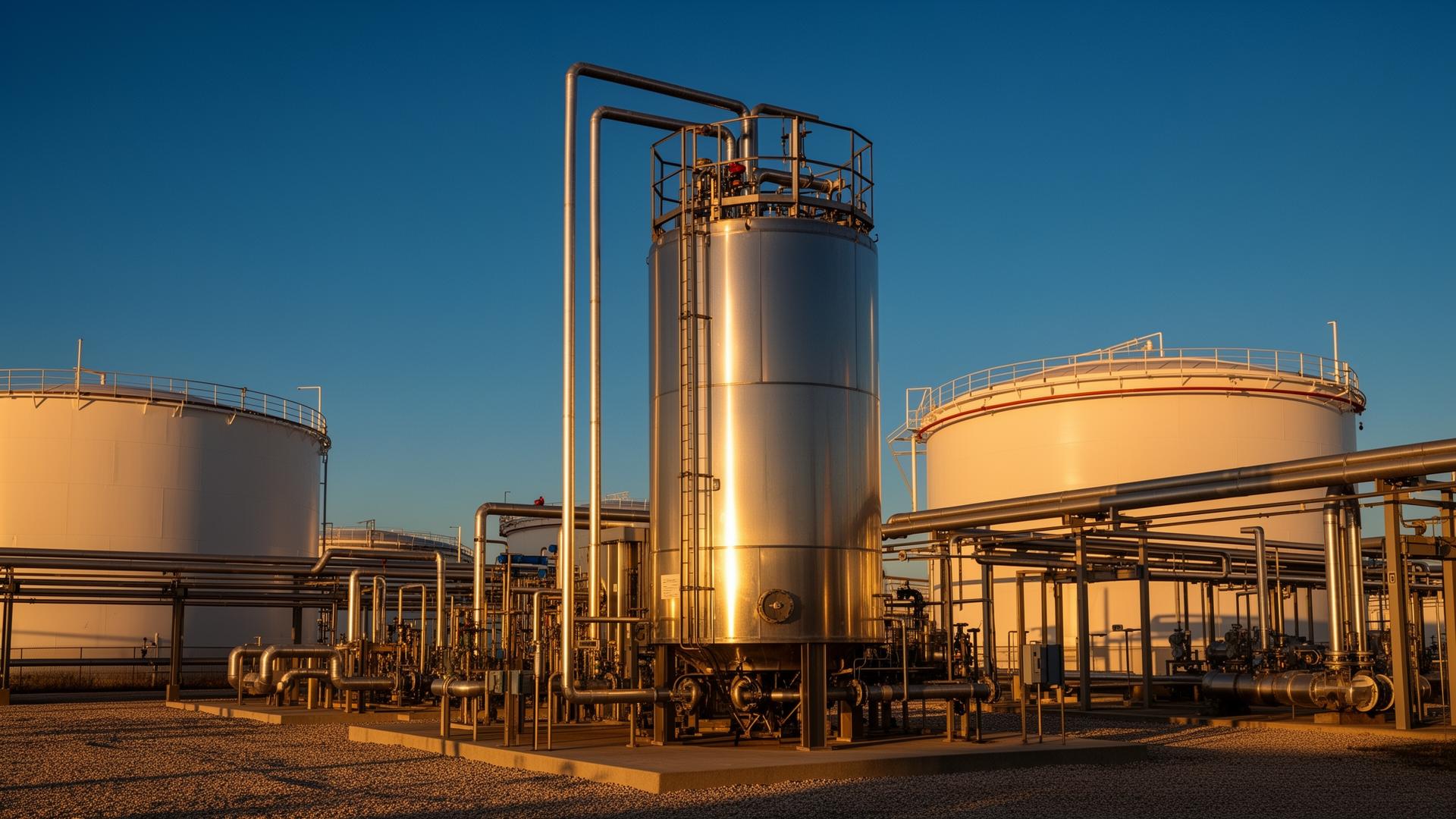
Air abatement is an umbrella term that covers a range of technologies deployed to control volatile organic compounds (VOCs), hazardous air pollutants (HAPs), particulate matter, and odorous emissions from industrial processes. The most common air abatement technologies in use today include:
- Thermal Oxidizers: direct-fired systems that combust VOCs and HAPs at high temperatures (typically 1,400°F–1,800°F), achieving destruction efficiencies above 98%
- Regenerative Thermal Oxidizers (RTOs): high-efficiency Thermal Oxidizers that recover and reuse combustion heat through ceramic media beds, dramatically reducing fuel costs
- Catalytic Oxidizers: systems that use a precious metal catalyst to lower the ignition temperature of pollutants, offering energy efficiency advantages at lower VOC concentrations
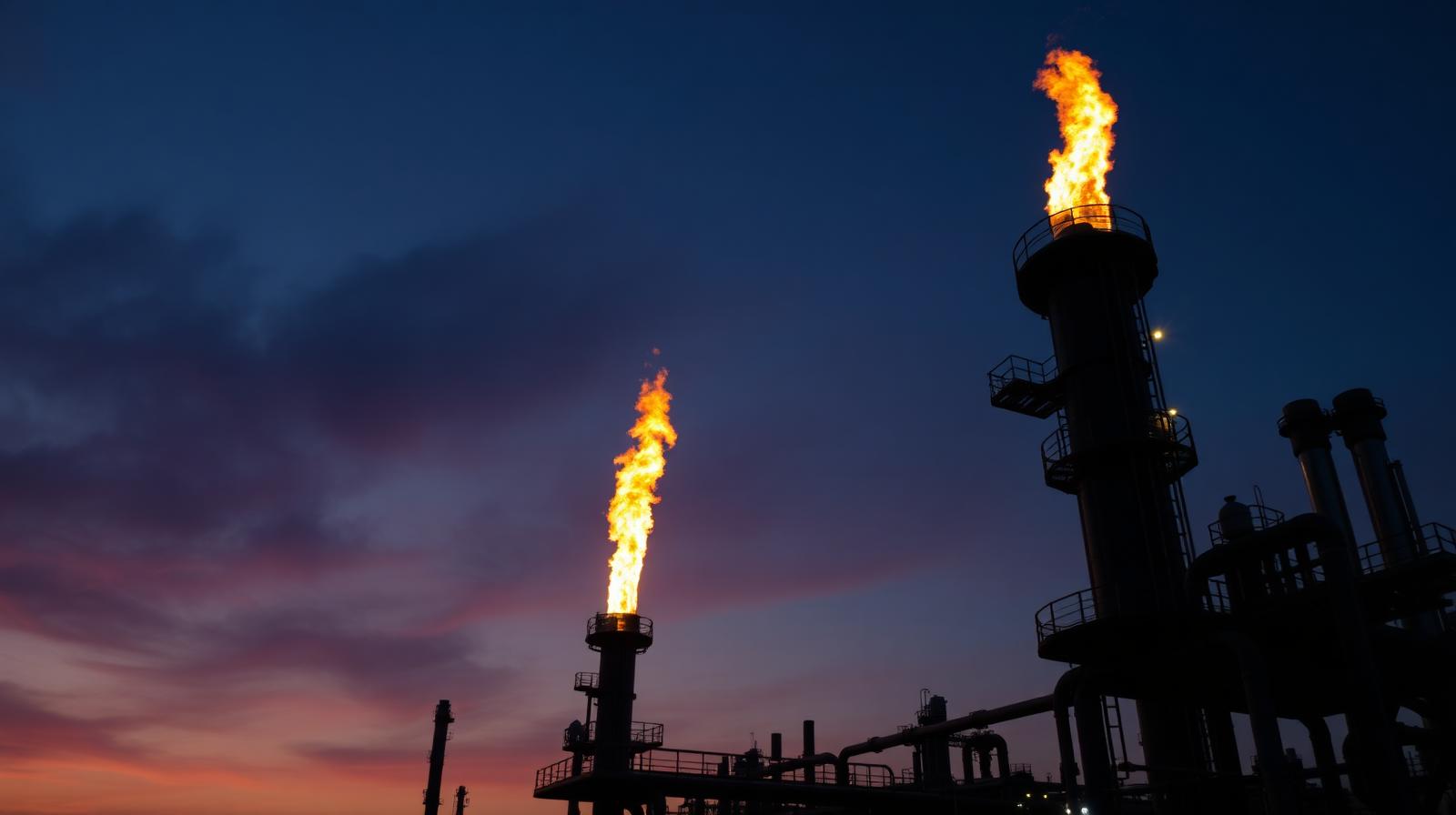
- Flares: combustion devices used in oil and gas, landfill, and biogas applications to safely destroy excess or waste gas streams
- Biofilters and Scrubbers: biological and chemical treatment systems used in wastewater, food processing, and chemical applications
Each technology has specific service requirements, wear patterns, and regulatory documentation needs. CREATE Industries has deep expertise across all of them.
Key Services in an Air Abatement Program
A comprehensive air abatement service program covers far more than emergency repairs. Best-in-class industrial operators engage their service partners across several dimensions:
Routine inspection and tune-up: periodic inspections identify wear before it causes failure. Combustion system tune-ups optimize fuel-to-air ratios, improve destruction efficiency, and reduce operating costs. These are typically performed on an annual or semi-annual basis.
Parts replacement and upgrades: refractory linings, ceramic media, burner components, dampers, valves, and seals all have finite service lives. Timely replacement prevents cascading failures and maintains system efficiency.
Compliance monitoring and reporting: many facilities are required to operate Continuous Emissions Monitoring Systems (CEMS) and submit periodic compliance reports to state and federal regulators. CREATE Industries provides calibration, maintenance, and documentation support for CEMS installations.
System optimization: beyond repairs, our engineers can analyze system performance data to identify opportunities for efficiency improvements, reducing fuel consumption, extending equipment life, and improving destruction efficiency margins.
Emergency response: when systems fail unexpectedly, time is money and compliance is at risk. CREATE Industries deploys technicians 24 hours a day, 7 days a week, with a rapid response protocol designed to minimize downtime.
Industries That Rely on Air Abatement Services
Air abatement systems are deployed across a remarkably wide range of industries. CREATE Industries serves facilities in all of the following sectors:
- Printing and coatings: flexographic and gravure printing operations generate significant solvent emissions requiring thermal oxidation
- Automotive manufacturing: paint booth exhaust is a primary VOC source in automotive plants, typically controlled by direct-fired or regenerative Thermal Oxidizers
- Chemical processing: petrochemical and specialty chemical plants operate some of the most demanding air abatement systems in existence
- Pharmaceutical and biotech: solvent-intensive pharmaceutical manufacturing requires precise emission control and rigorous compliance documentation
- Packaging: film, foam, and flexible packaging production generates VOC-laden exhaust streams that require reliable abatement
- Oil, gas, and biogas: combustion-based emission control is central to environmental compliance in upstream and midstream energy operations
The Cost of Neglecting Air Abatement Maintenance
The financial case for regular air abatement service is compelling. Facilities that neglect maintenance face:
- Emergency repair costs that are typically 3–5 times higher than planned maintenance
- Regulatory fines and penalties for permit exceedances
- Production losses during unplanned downtime
- Increased fuel costs from degraded heat recovery efficiency
- Permit jeopardy in cases of repeated violations
By contrast, a well-managed preventive maintenance program delivers reliable uptime, lower total operating costs, and the regulatory standing that protects your operating license. CREATE Industries works with facilities of all sizes to design and execute air abatement maintenance programs that fit operational schedules and budget realities.
Frequently Asked Questions
What is the difference between a thermal oxidizer and a catalytic oxidizer?
Thermal Oxidizers combust at high temperatures (1,400–1,800°F); catalytic oxidizers use a catalyst to achieve destruction at much lower temperatures, saving fuel.
How do air abatement systems support regulatory compliance?
They physically achieve the VOC and HAP destruction efficiency levels required by your air permit, supported by CEMS data and performance testing.
Which industries are required to operate air abatement systems?
Any facility emitting VOCs or HAPs above regulatory thresholds, including printing, automotive, chemical, pharma, packaging, and oil and gas operations.
Can CREATE Industries help with permit compliance documentation?
Yes, we provide complete service records, combustion test data, and CEMS logs that satisfy most state and federal air quality permit requirements.
What should we do if our system triggers a permit deviation?
Act fast. Call CREATE Industries for emergency support and consult your compliance team on regulatory notification timelines.
Schedule an Air Abatement System Evaluation
Air abatement systems protect your license to operate. CREATE Industries brings 25 years of expertise, nationwide coverage, and compliance-focused service to every engagement.
Speak With a Specialist