Industrial Burner Retrofits and Gas Train Compliance: What Operators Need to Know
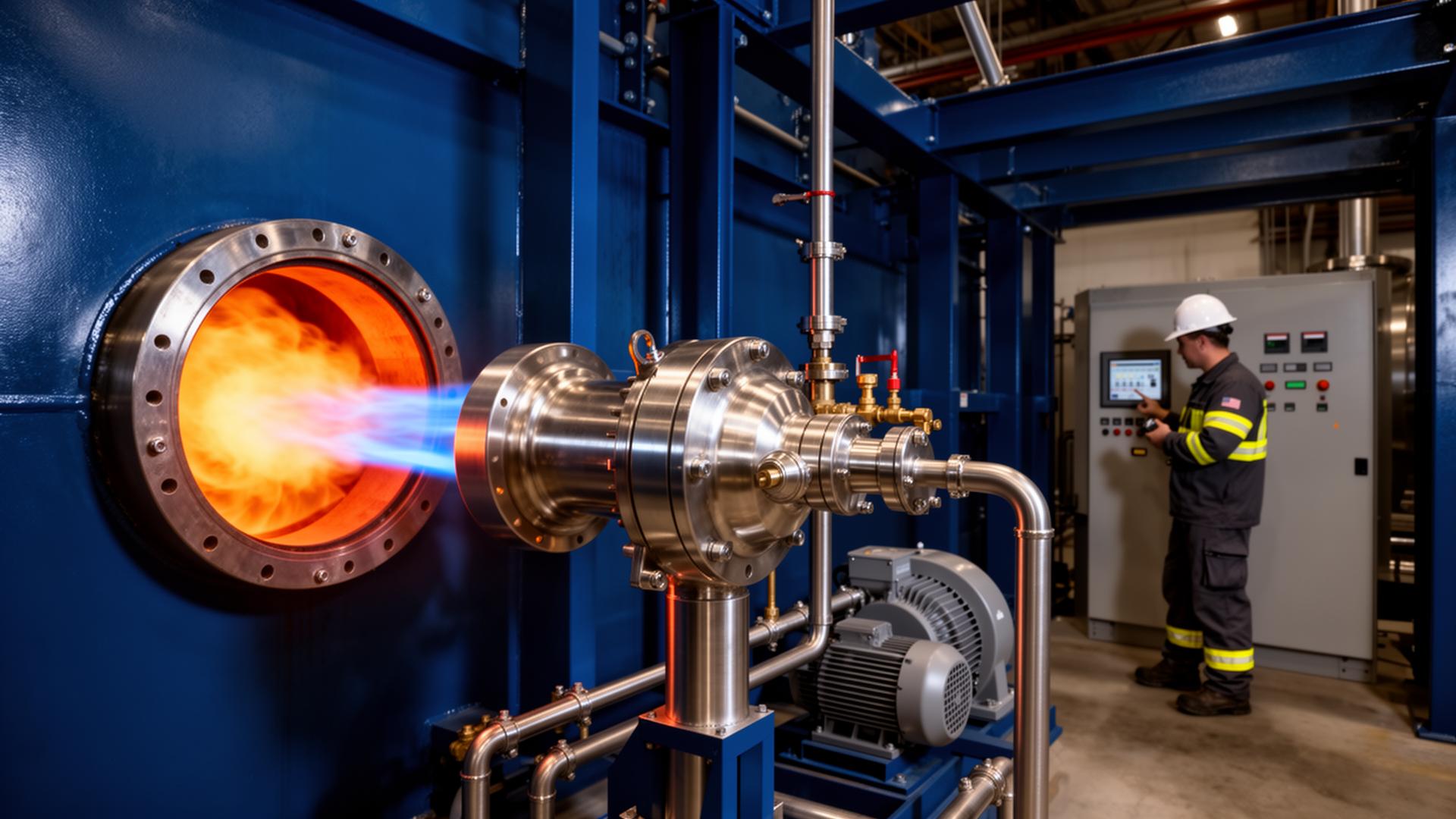
Every industrial combustion system (the burner on your oxidizer, oven, dryer, boiler, or furnace) sits downstream of a gas train and a flame safeguard system that were state-of-the-art the year they were installed. Twenty years later, that same equipment is often a quiet liability: obsolete controls nobody stocks parts for, valve trains that no longer meet current code, nuisance shutdowns that operations has learned to live with, and a burner tuned so far from optimal that it is burning money and, in some cases, permit margin.
Here is the operator's view of when a burner retrofit is worth doing, what gas train compliance actually requires in the US and Canada, and where inspectors and insurers find the gaps.
What "Gas Train Compliance" Actually Means
In the United States, the governing standards for most industrial process heating are the NFPA codes: NFPA 86 for ovens, furnaces, and thermal oxidizers, NFPA 85 for boilers and combustion systems in the power range, and NFPA 87 for fluid heaters. Layer on top of that your insurance carrier's requirements (FM Global data sheets are the common benchmark) and any state or local mechanical codes. In Canada, the CSA B149 series governs: B149.1 for natural gas and propane installations, B149.3 for the field approval of fuel-burning appliances and equipment, enforced through provincial authorities (TSSA in Ontario, Technical Safety BC, and their counterparts), and field approval is required for custom and imported combustion equipment.
Two things operators consistently underestimate. First, these codes are living documents: a gas train that was compliant when installed in 2003 is grandfathered only until you modify it, relocate it, or in many jurisdictions until your insurer or AHJ says otherwise. Second, compliance is not a paperwork exercise: nearly every requirement in these standards exists because a furnace or oven exploded somewhere. Fuel train incidents are low-frequency, high-consequence events, and both regulators and insurance carriers treat them that way.
The Compliance Gaps Found Most Often in the Field
When combustion service teams audit older installations, the same findings come up again and again:
- Safety shutoff valve deficiencies: missing or non-functioning double block valves, no proof-of-closure switches where required, or manual valves where automatic safety shutoff valves belong. This is the heart of the gas train and the most common serious finding.
- No valve proving or leak test provision: modern practice (and many insurers) expect valve proving systems or documented periodic leak testing of safety shutoff valves. Older trains often have neither the hardware nor the test records.
- Obsolete flame safeguard and burner management systems: relay-based or discontinued flame safeguard controls with no available spares, no self-diagnostics, and timing sequences that do not match current purge and ignition trial requirements. When one of these fails, the line is down until a matching relic is found on the secondary market.
- Purge and airflow interlock gaps: combustion air proving switches bypassed or missing, purge timing that does not achieve the required volume changes, exhaust interlocks that no longer function. Purge failures are a classic ignition-event precursor.
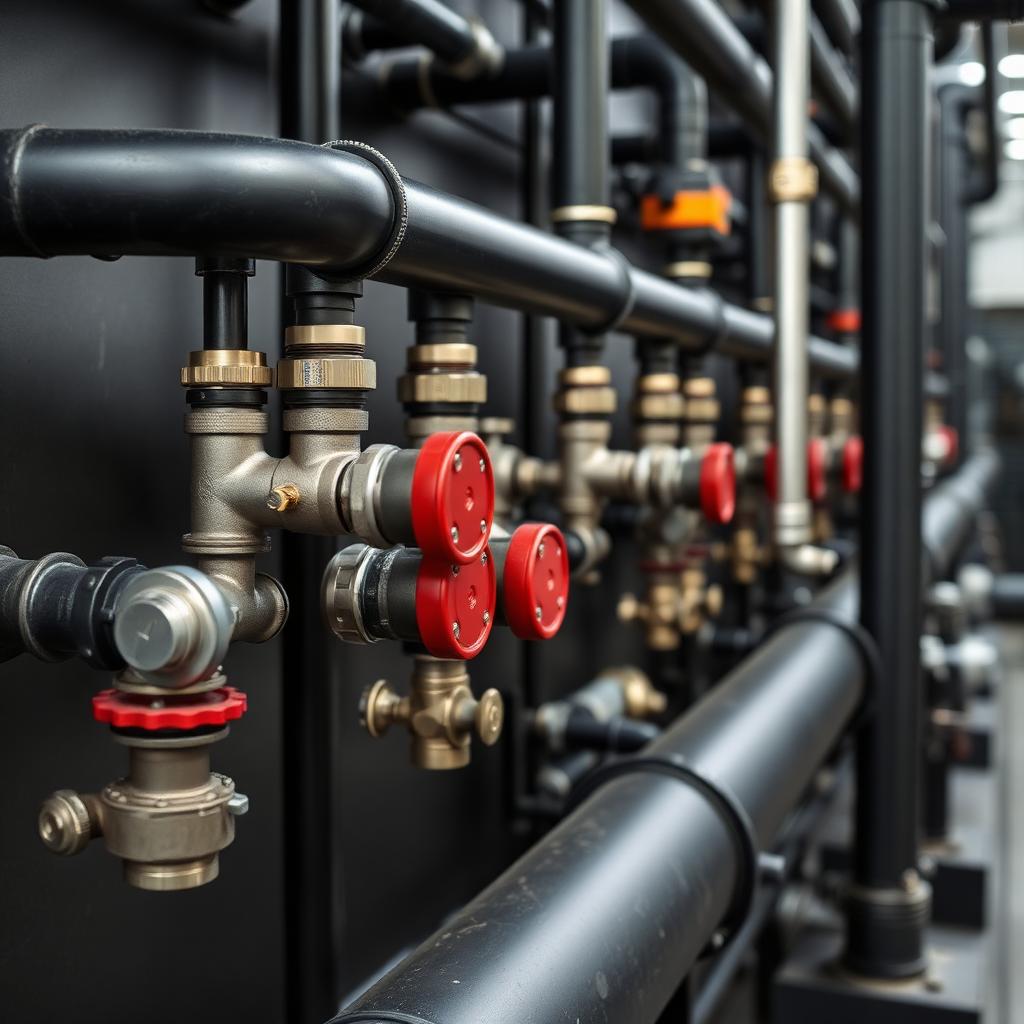
- Wrong piping materials and contaminated gas trains: galvanized pipe on fuel gas service is a recurring find; the zinc coating flakes and migrates downstream, fouling valves, regulators, and burner orifices, causing exactly the kind of recurring nuisance burner shutdowns operations teams learn to tolerate. Black steel is the standard for a reason, and a contaminated train needs cleaning, not just a parts swap.
- Documentation gaps: no current combustion tune records, no safety device test records, no updated drawings after years of piecemeal modifications. For Canadian sites, missing field approval documentation on modified equipment is its own compliance problem.
Any one of these can show up as an insurance recommendation, an AHJ finding, or worst case as the root cause in an incident investigation.
When a Burner Retrofit Makes Sense
A retrofit (replacing or rebuilding the burner, gas train, and controls while keeping the oven, oxidizer, or furnace itself) is usually triggered by one or more of the following:
Obsolescence and reliability
If your flame safeguard is discontinued, your burner manufacturer is gone, or you are cannibalizing spares, you are one failure away from an extended outage. Recurring nuisance trips (flame signal drift, igniter failures, valves sticking from a dirty train) are the early version of the same story. A retrofit converts an unpredictable failure into a scheduled project.
Code, insurance, or AHJ pressure
An FM or carrier inspection report with combustion recommendations, a TSSA or provincial inspection finding, or a planned modification that voids grandfathering all convert "someday" into a deadline. It is far better economics to scope the retrofit on your schedule than under an insurer's compliance date.
Fuel efficiency and emissions
Modern burners with proper air/fuel ratio control (parallel positioning, servo-driven, or fully metered with O2 trim) routinely cut fuel consumption meaningfully compared to a drifted mechanical linkage system, and low-NOx burner designs may be the difference between passing and failing your next permit cycle as NOx limits tighten in both US and Canadian jurisdictions. If your process heating is a major gas consumer, the efficiency case alone often carries the project.
Process and capacity changes
Higher line speeds, new products, different solvent loading, or an oxidizer handling more airflow than its burner was sized for: combustion systems get pushed outside their design envelope quietly. A retrofit resizes the burner and train for the process you actually run today.
What a Well-Run Retrofit Includes
Scope discipline is what separates a retrofit that ends nuisance problems from one that relocates them:
- Combustion assessment first: a field evaluation of the existing burner, gas train, controls, and interlocks against current NFPA/CSA requirements and your insurer's standards, with findings ranked by risk. This document becomes the scope, and it is also your evidence of due diligence.
- The full train, not just the burner: safety shutoff valves with proof of closure, valve proving where appropriate, regulators and overpressure protection, pilot train, proper piping materials, and cleaning of any contaminated sections.
- A modern burner management system: current flame safeguard with diagnostics, correct purge and trial-for-ignition sequencing, and proper integration with your PLC and the equipment's existing safety interlocks. Integration is where inexperienced installers create new hazards; the BMS must remain the safety layer, not the PLC.
- Commissioning and combustion tuning: documented setup across the full firing range with analyzer data (O2, CO, NOx), safety device functional tests witnessed and recorded, and updated drawings. In Canada, field approval sign-off where required.
- Operator training and records: your team needs to understand the new sequence of operations, and your files need the test records that the next inspector or adjuster will ask for.
The Cost of Living With It
The alternative to a planned retrofit is rarely "no cost." It is the drip of nuisance shutdowns and scrapped product every time a dirty valve or drifting flame signal takes the line down mid-run. It is the fuel penalty of a burner running rich because nobody has tuned it with an analyzer in five years. It is the emergency premium when the obsolete flame safeguard finally dies with no replacement available. And it is the exposure (regulatory, insurance, and human) of operating a fuel train that current codes would not permit to be installed today. Operators who put real numbers on those four items usually find the retrofit was overdue.
A useful test: if your gas train were inspected tomorrow against current NFPA 86 or CSA B149 requirements, do you know what the findings would be? If the honest answer is no, start with a combustion assessment: it is the cheapest item in this entire article.
Frequently Asked Questions
What codes govern industrial gas trains in the US and Canada?
In the US, NFPA 86 (ovens, furnaces, thermal oxidizers), NFPA 85 (boilers and larger combustion systems), and NFPA 87 (fluid heaters), plus insurance carrier standards such as FM Global. In Canada, the CSA B149 series, with provincial authorities (TSSA, Technical Safety BC, and others) enforcing it.
Is a gas train from 2003 still compliant today?
It is generally grandfathered until you modify or relocate it, but insurers and AHJs may still cite deficiencies against current standards, and any modification typically requires bringing the train up to today's code.
What are the most common findings in an older gas train?
Missing double block valves or proof-of-closure switches, no valve proving provision, obsolete flame safeguard controls, purge and airflow interlock gaps, galvanized supply piping, and missing test and calibration records.
Why is galvanized pipe a problem on fuel gas service?
Zinc coating flakes off and migrates downstream, fouling valves, regulators, and burner orifices, which typically shows up as recurring nuisance burner shutdowns. Black steel is the standard for fuel gas piping.
When does a burner retrofit make financial sense?
When obsolescence, insurance or AHJ pressure, fuel efficiency, emissions margin, or process changes stack up. Once you count nuisance downtime, fuel drift, and outage premium risk together, the retrofit is often overdue.
Combustion Assessment, Retrofit, or Gas Train Cleanup?
CREATE Industries retrofits burners, rebuilds gas trains to NFPA and CSA standards, replaces obsolete burner management systems, and cleans contaminated fuel trains, including replacing galvanized supply pipe with black steel and eliminating the recurring burner shutdowns it causes. Assessment through commissioning, US and Canada. 24/7 emergency response, offices in Kennesaw, GA and Mobile, AL.
Talk to an Engineer