Industrial Combustion System Maintenance: The Complete Guide for Facility Operators
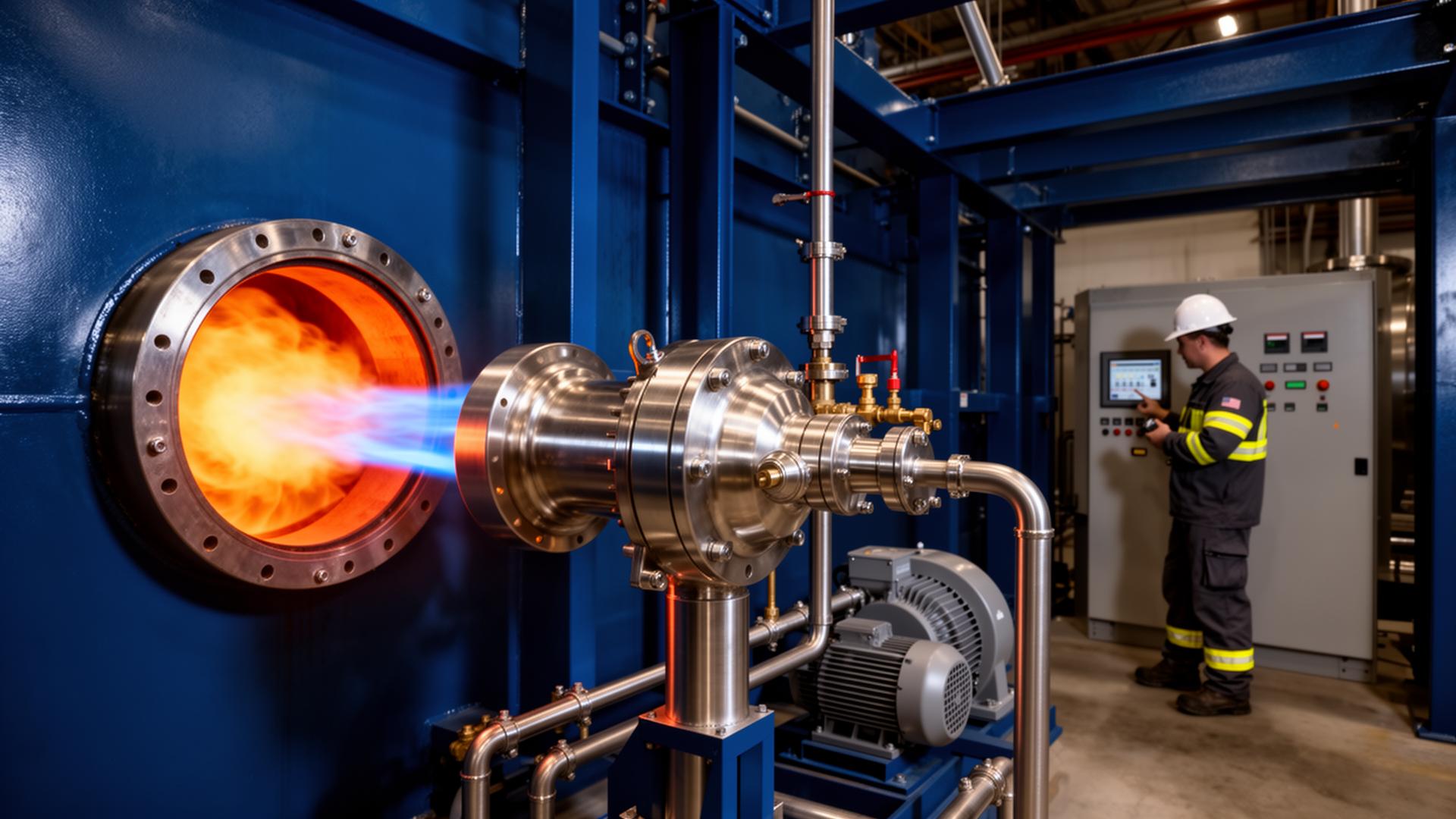
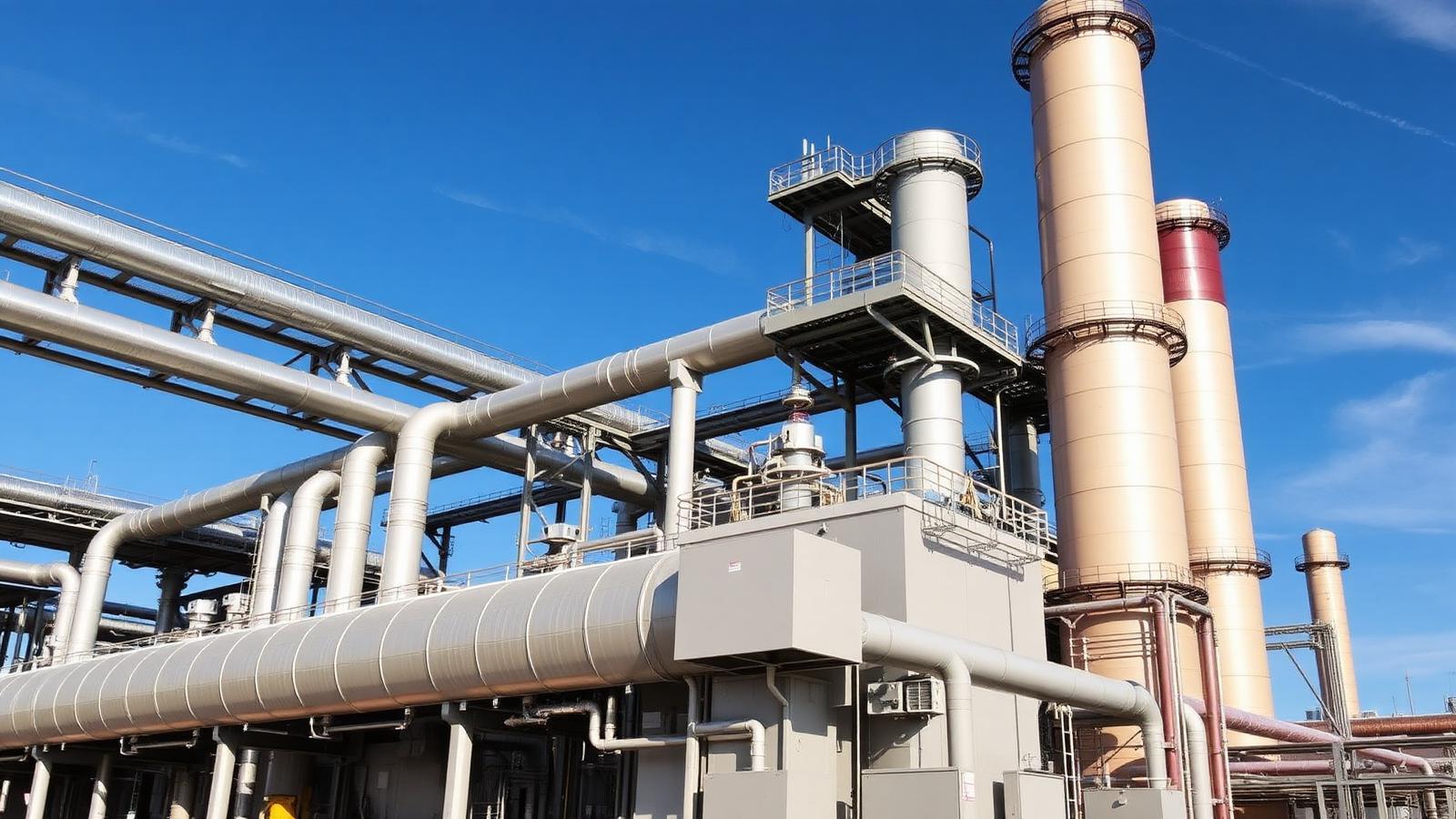
Combustion systems are at the heart of industrial thermal processing. From Thermal Oxidizers and boilers to direct-fired dryers and process heaters, combustion equipment transforms fuel energy into the heat required for manufacturing, drying, curing, and environmental compliance. When these systems perform well, operations run efficiently and cost-effectively. When they degrade, the consequences ripple across production, compliance, and the bottom line.
CREATE Industries has maintained and repaired combustion systems across industries for over 25 years. This guide gives facility operators and maintenance managers a practical framework for understanding combustion system maintenance: what it involves, how often it should be done, and what the signs of trouble look like.
The Core Components of Industrial Combustion Systems
To understand maintenance requirements, it helps to understand what makes up an industrial combustion system:
- Burners: the core combustion devices that mix fuel and air in precise ratios and ignite the mixture to produce a controlled flame. Industrial burners come in many configurations: power burners, radiant burners, and low-NOx burners, each with specific maintenance profiles.
- Fuel trains: the gas valves, pressure regulators, flow meters, solenoids, and piping that deliver fuel to the burner at the correct pressure and volume. Fuel train integrity is critical for both performance and safety.
- Combustion air systems: fans, blowers, dampers, and variable frequency drives (VFDs) provide and control the oxygen supply to the combustion process. Fan bearing wear, damper sticking, and VFD faults are common maintenance items.
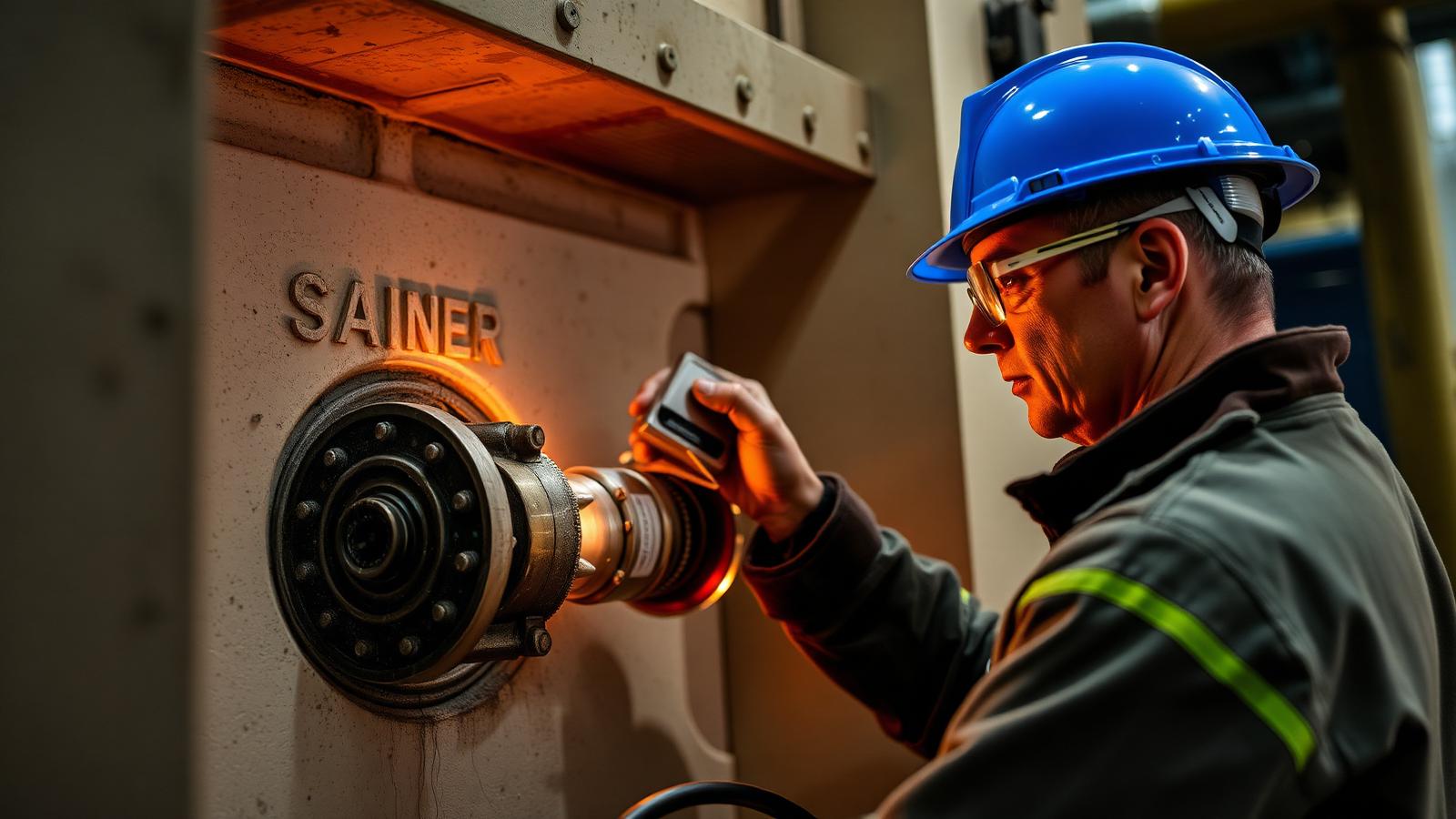
- Igniters and flame scanners: initiate and monitor the combustion process. Spark igniter electrodes erode over time, and flame scanner lenses become contaminated. Both require regular inspection and replacement.
- Refractory and insulation: protect the combustion chamber from extreme heat. Degraded refractory reduces thermal efficiency and can create hot spots that damage structural components.
- Control systems: PLCs, HMIs, and safety interlocks govern every aspect of combustion sequencing, temperature management, and fault response. Control system maintenance is increasingly specialized as systems grow more sophisticated.
A Structured Combustion Maintenance Program
Effective combustion system maintenance follows a tiered structure aligned with equipment run hours and operating cycles.
Monthly Tasks
- Inspect burner flame shape and color for signs of incomplete combustion
- Check fuel train for leaks using appropriate detection methods
- Review control system alarms and fault logs
- Inspect igniter electrodes for wear or fouling
- Verify combustion air fan operation and motor temperature
Quarterly Tasks
- Perform burner combustion analysis (O₂, CO, stack temperature)
- Inspect and lubricate fan bearings and motor couplings
- Test safety interlocks and emergency shutdowns
- Inspect refractory for visible cracks or spalling
- Calibrate temperature sensors and thermocouples
Annual Tasks
- Full burner disassembly, cleaning, and inspection
- Fuel train component testing and replacement as required
- Refractory condition survey and repair planning
- Control system software review and update
- Combustion optimization and tune-up to manufacturer specifications
- Full compliance documentation package
Combustion Optimization: The Hidden Efficiency Opportunity
Many industrial facilities operate combustion systems that are technically functional but significantly under-optimized. Burners running slightly fuel-rich, combustion air systems at inefficient set points, or heat recovery systems operating below design efficiency all add cost, often without triggering an alarm condition.
CREATE Industries performs combustion optimization services that analyze and adjust:
- Excess air levels: too much excess air wastes fuel; too little risks incomplete combustion and emissions violations. The optimum operating point is facility-specific and requires precise measurement.
- Fuel pressure and flow: variations in gas supply pressure affect combustion quality. Proper fuel train adjustment ensures consistent performance.
- Heat recovery performance: for RTOs and recuperative oxidizers, heat exchanger performance directly impacts fuel consumption. Optimization identifies whether cleaning, media work, or control adjustments can recover efficiency.
- Flame geometry: improperly shaped flames cause localized refractory wear, hot spots on chamber walls, and inconsistent outlet temperatures.
Facilities that undergo combustion optimization with CREATE Industries typically see measurable improvements in fuel consumption within the first operational period following service.
Regulatory Compliance and Combustion Maintenance
Many combustion systems at industrial facilities operate under air quality permits that specify destruction efficiency requirements, operating temperature minimums, and fuel usage limits. Maintaining these parameters is not just an operational priority; it is a legal obligation.
CREATE Industries provides complete compliance documentation following all maintenance and repair activities, including:
- Pre- and post-maintenance combustion test data
- Burner tune-up records with measured parameters
- Safety interlock test certifications
- CEMS calibration and maintenance logs
- Recommendations for permit-related operational adjustments
This documentation supports permit renewals, regulatory audits, and Title V compliance demonstrations, giving facility operators the paper trail they need when regulators come knocking.
Why CREATE Industries for Combustion System Maintenance
With a team that has built and serviced industrial combustion systems together for over 20 years, CREATE Industries brings rare depth to every service engagement. We do not send general contractors to combustion jobs; we deploy specialists who understand the relationship between burner performance, heat transfer, emissions compliance, and operational efficiency.
Our Environmental Services division covers all major combustion system types, all major manufacturers, and all major industrial sectors. Whether your facility operates a single Thermal Oxidizer or a multi-system installation across multiple sites, we have the expertise and resources to deliver.
Frequently Asked Questions
How often should industrial burners be tuned?
At least once annually, or semi-annually for high-cycle systems or facilities operating under strict permit conditions.
What is combustion analysis, and why does it matter?
Combustion analysis measures exhaust gas composition (O₂, CO, stack temperature) to confirm efficient, complete combustion. It is the foundation of every professional burner tune-up.
Can poor combustion maintenance cause regulatory violations?
Yes. A drifting temperature sensor or out-of-tune burner can push your system outside permit parameters and trigger a deviation event under your air quality permit or Title V program.
What are the signs my combustion system is burning too much fuel?
Rising fuel use without increased throughput, unstable flame shape, elevated stack temperatures, and high CO readings all point to combustion inefficiency that maintenance can recover.
Does CREATE Industries handle both gas and oil-fired systems?
Yes. We service natural gas, propane, fuel oil, and biogas-fired combustion systems across all industrial equipment types, including Thermal Oxidizers, boilers, dryers, and process heaters.
Conclusion
Well-maintained combustion systems mean lower fuel costs, fewer shutdowns, and a stronger compliance record. CREATE Industries designs maintenance programs that prevent emergencies before they happen. Call us today and let's build a smarter maintenance strategy for your facility.
Build a Smarter Combustion Maintenance Strategy
From burner tune-ups to full system rebuilds, CREATE Industries delivers 25 years of combustion expertise with nationwide coverage and 24/7 emergency response.
Speak With a Specialist