The most efficient facilities are those where the energy infrastructure construction company integrates maintenance accessibility into the initial design. This "lifecycle" approach ensures that when it comes time for combustion equipment maintenance, technicians have the access and data they need to perform their jobs without unnecessary downtime.
By focusing on high-quality fabrication and proactive mechanical services, industrial leaders can guarantee that their power systems remain both reliable and cost-effective for decades to come.
Lifecycle Design
Construction built with long-term maintenance accessibility in mind.
Combustion Expertise
Precision tuning, refractory repair, and control system calibration.
Turnkey Solutions
From site preparation to ongoing lifecycle support under one roof.
The Foundation of Power: Energy Infrastructure Construction
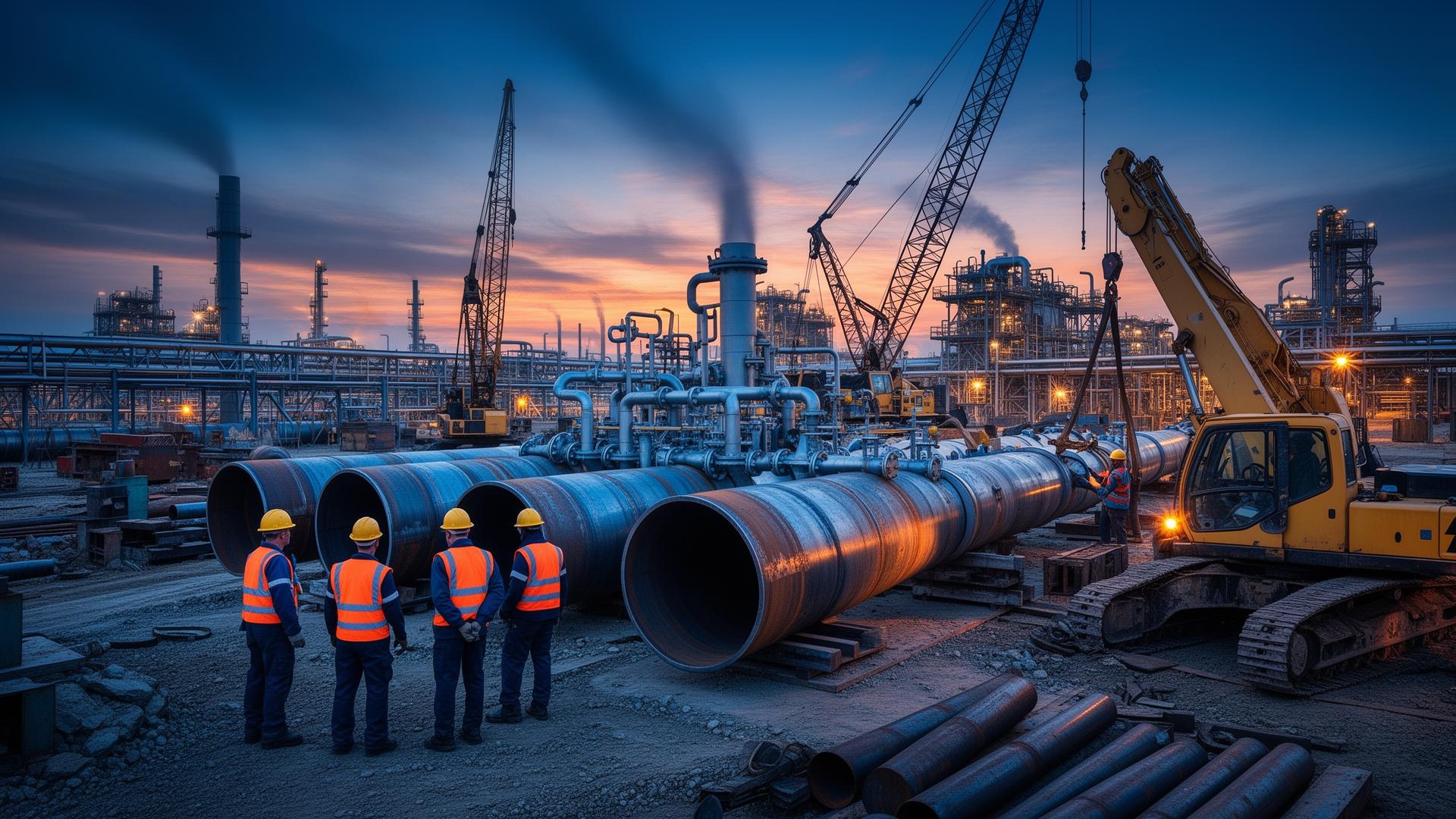
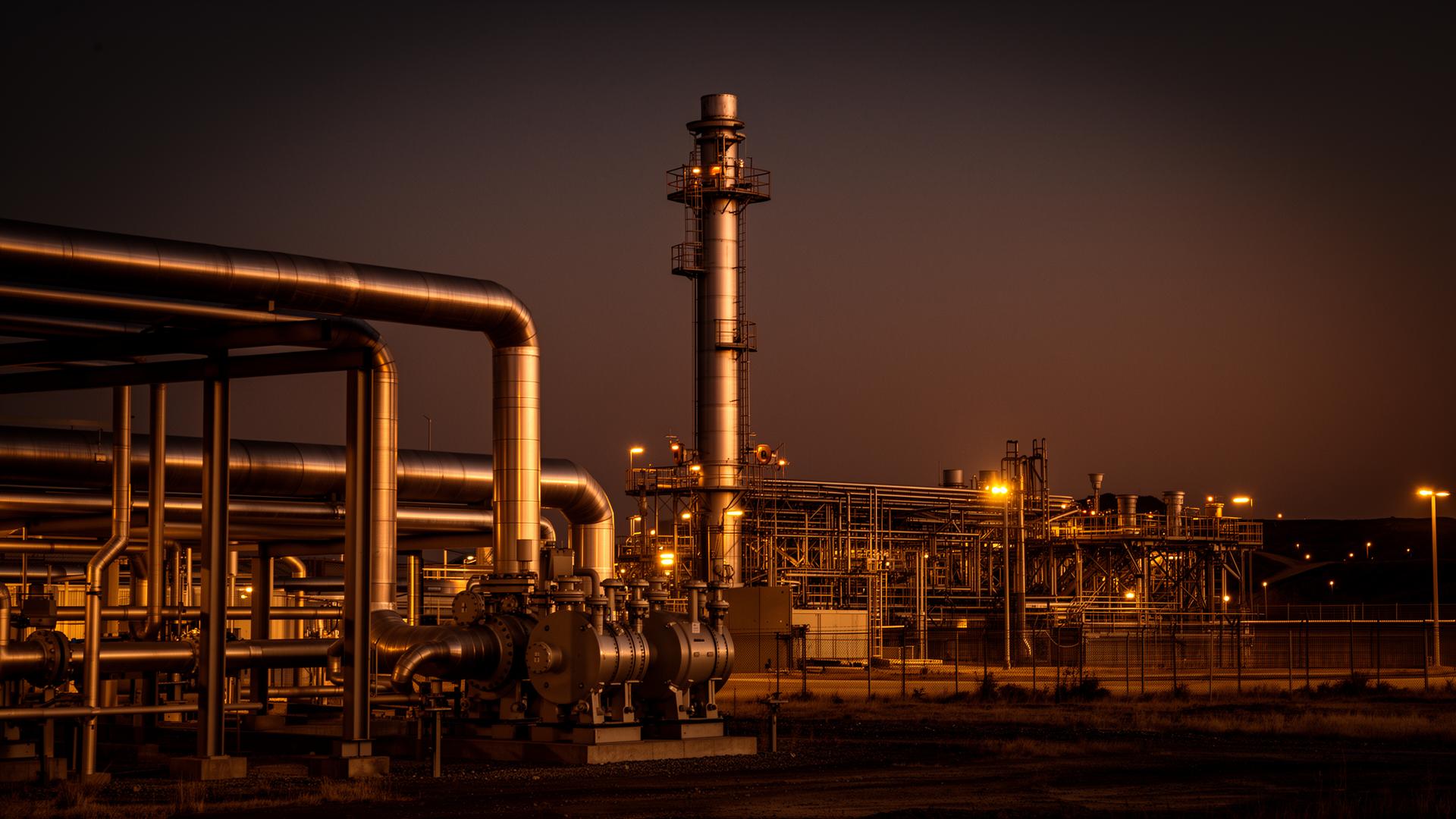
Energy infrastructure construction is a multifaceted discipline that involves the design, fabrication, and assembly of systems that generate and distribute power. As the world shifts toward a mix of traditional and renewable energy sources, the demand for sophisticated construction services has never been higher.
Engineering for the Future
Modern infrastructure must be built to withstand extreme conditions, whether that is high-pressure steam environments or corrosive chemical processing. A premier energy infrastructure construction company does more than just pour concrete and weld steel; they provide turnkey solutions that include:
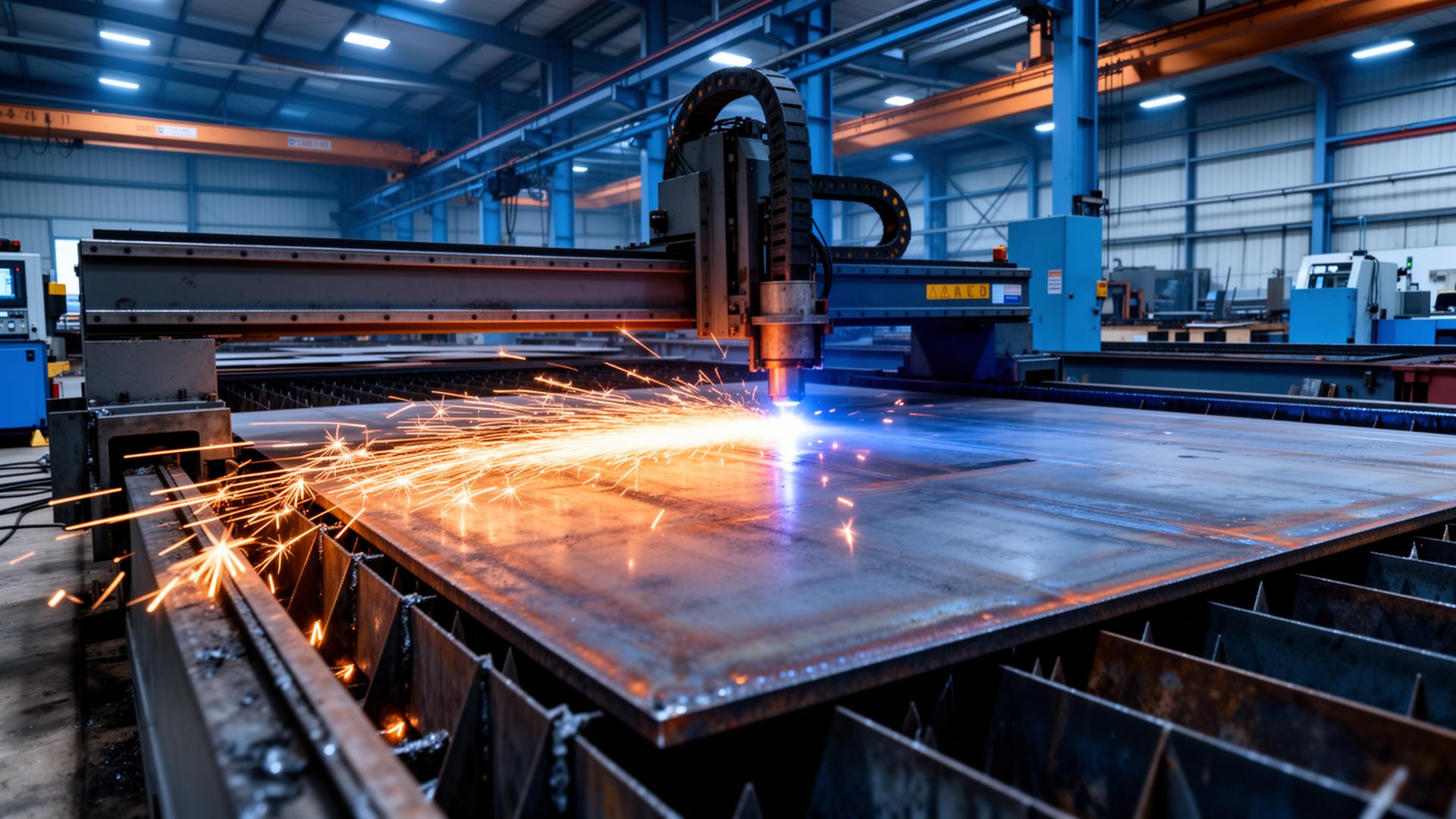
- Modular Fabrication: Reducing on-site construction time and improving quality control through off-site assembly.
- System Integration: Ensuring that new builds seamlessly connect with existing power grids or fuel supplies.
- Regulatory Compliance: Navigating the complex web of ASME, API, and environmental standards to ensure legal and operational safety.
The Heart of the Plant: Why Combustion Equipment Maintenance Matters
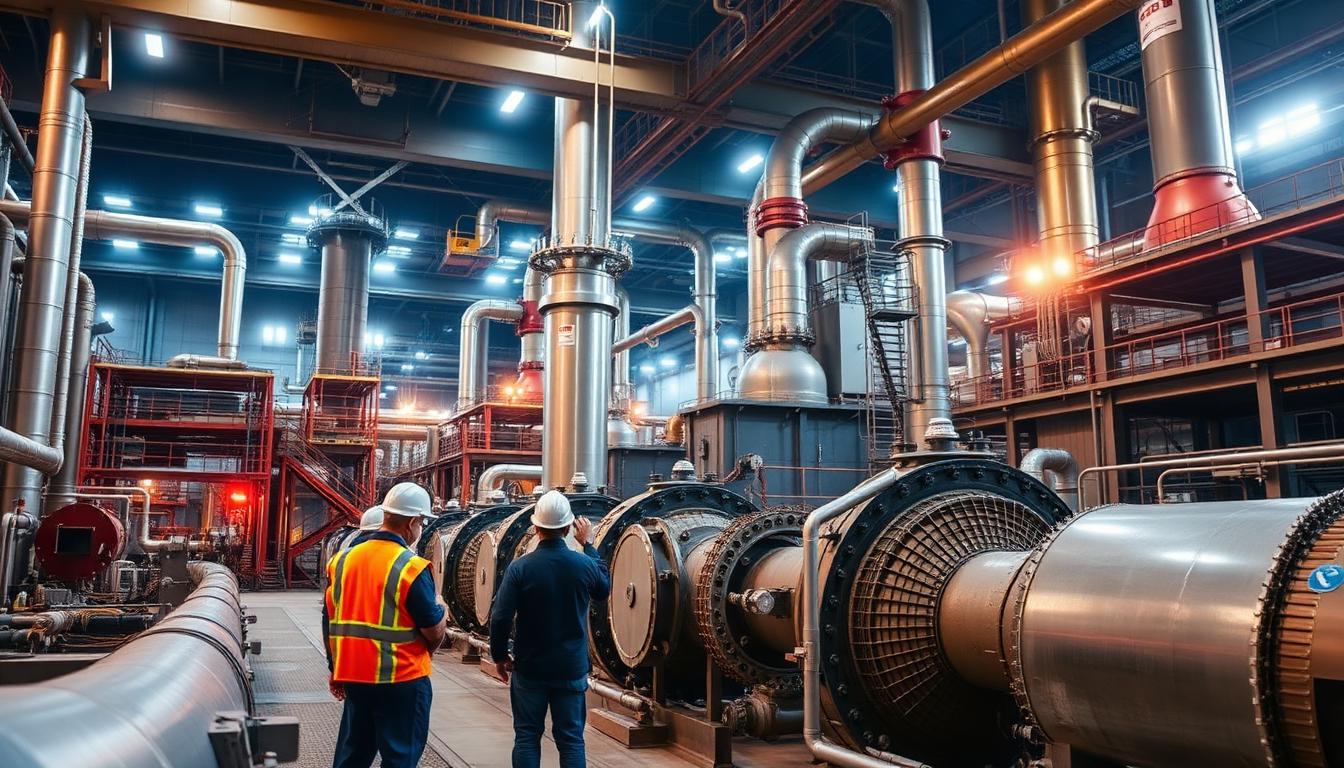
If the infrastructure is the body of an industrial facility, the combustion equipment is its heart. Boilers, burners, furnaces, and kilns are responsible for the thermal energy that drives production. However, because these systems operate under intense heat and pressure, they are subject to rapid wear and tear.
The Risks of Neglect
Ignoring combustion equipment maintenance is a recipe for operational disaster. Without regular inspections and tuning, facilities face:
- Decreased Fuel Efficiency: Even a slight drift in the fuel-to-air ratio can lead to massive increases in fuel consumption, hitting the bottom line hard.
- Safety Hazards: Carbon monoxide buildup, fuel leaks, and "flame out" scenarios pose significant risks to personnel and property.
- Unscheduled Downtime: A catastrophic burner failure can shut down an entire production line, costing thousands of dollars per hour in lost revenue.
- Environmental Penalties: Poorly maintained equipment produces higher emissions, leading to potential fines and damage to corporate reputation.
Comprehensive Maintenance Strategies for Peak Efficiency
Effective maintenance is not reactive; it is predictive and preventative. Specialized service programs are designed to keep combustion systems running at peak performance through several key technical interventions.
- Precision Burner Tuning: Regular tuning ensures that the combustion process is as clean and efficient as possible. By measuring flue gas emissions (O₂, CO, NOₓ), technicians can adjust settings to maximize heat output while minimizing fuel waste.
- Refractory Inspection and Repair: The refractory lining protects the structural integrity of your equipment from extreme heat. Maintenance teams must inspect for cracks, spalling, or thinning, performing repairs before the outer shell of the equipment suffers permanent heat damage.
Control System Calibration
Modern energy infrastructure relies on sophisticated control logic. Ensuring that sensors, actuators, and Burner Management Systems (BMS) are calibrated correctly provides accurate data and guarantees fail-safe shutdowns in emergencies.
Bridging the Gap: Construction and Maintenance Synergy
The most successful energy projects are those where the construction team and the maintenance team operate with a shared vision. When a construction project is executed with the end-user's maintenance needs in mind, the long-term ROI of the facility increases exponentially.
Design for Serviceability
When an energy infrastructure construction company prioritizes maintenance during the build, the results include:
- Better access points for technicians to perform inspections.
- Standardized components that reduce the need for a massive spare part inventory.
- Integrated diagnostic tools that allow for real-time remote monitoring.
Sustainability in Energy Infrastructure
The global energy transition is no longer a distant goal; it is a current mandate. Modern energy construction must now account for carbon capture, hydrogen blending, and lower-emission combustion technologies.
Strategic infrastructure partners help clients retrofit existing combustion equipment to handle alternative fuels and install high-efficiency infrastructure that meets stringent ESG (Environmental, Social, and Governance) targets. By optimizing current combustion systems, industrial players can reduce their carbon footprint without sacrificing output.
Choosing the Right Industrial Partner
In a crowded market, the best partners offer a holistic approach to energy systems. They act as more than just contractors; they are stewards of operational success.
- Expertise Across Industries: From petrochemicals and food processing to utility-scale power generation, the right partner understands the unique demands of each sector.
- Safety Excellence: A strong safety record is the ultimate testament to rigorous training and adherence to industry standards.
- Turnkey Solutions: Seeking a provider that handles everything from site preparation to the periodic tuning of complex burners ensures accountability across the board.
The Proven Process for Success
- Consultation: Deeply understanding specific energy needs and output goals.
- Execution: Precision construction backed by professional project management.
- Lifecycle Support: Ongoing maintenance to protect the multi-million dollar investment.
Conclusion
Investing in the right energy infrastructure construction company is the first step toward long-term industrial stability. By pairing robust initial builds with a dedicated strategy for combustion equipment maintenance, businesses can protect their assets, ensure worker safety, and maximize thermal efficiency. In an era where energy costs and environmental regulations are more demanding than ever, the combination of expert construction and precision maintenance is the only way to stay competitive.
Frequently Asked Questions
What does an energy infrastructure construction company do?
An energy infrastructure construction company designs, fabricates, and assembles systems that generate and distribute power: including modular fabrication, system integration, and turnkey solutions that meet ASME, API, and environmental compliance standards.
Why is combustion equipment maintenance important?
Regular combustion equipment maintenance prevents decreased fuel efficiency, safety hazards like CO buildup and fuel leaks, unscheduled downtime from burner failures, and environmental penalties from higher emissions. Predictive and preventative strategies keep systems at peak performance.
How do construction and maintenance work together?
When an energy infrastructure construction company prioritizes maintenance during the build phase, facilities benefit from better technician access points, standardized components, and integrated diagnostic tools: increasing long-term ROI and reducing lifecycle costs.
Ready to Build?
From energy infrastructure construction to combustion equipment maintenance, CREATE Industries delivers integrated solutions for industrial success.
Get In Touch