The Skilled Trades Shortage Is Reshaping Fabrication Timelines: Here's How to Plan Around It in 2026
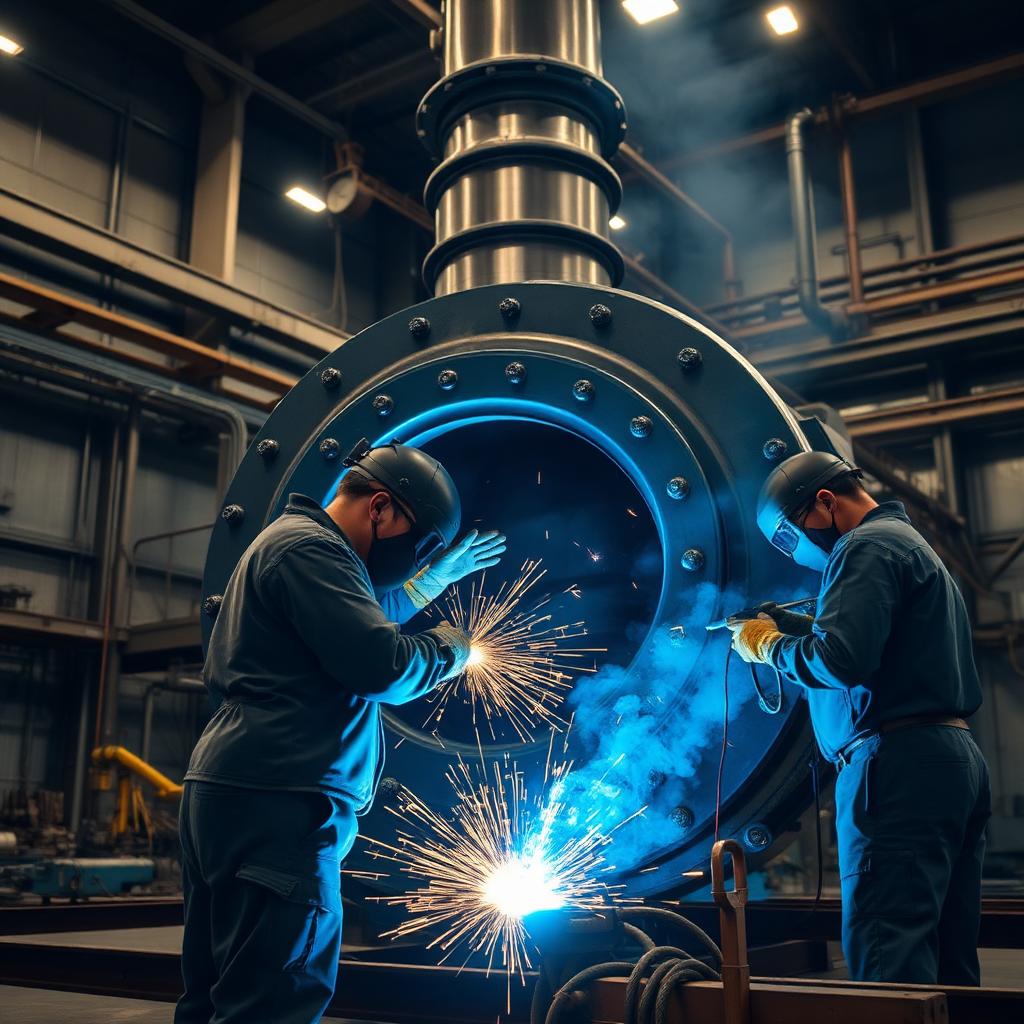
Ask any industrial operator planning a fabrication project in the US or Canada in 2026 what their biggest schedule risk is, and increasingly the answer is not steel prices or permitting. It is finding enough qualified welders, pipefitters, and industrial electricians to actually build the project on the timeline the engineering says is possible. The skilled trades shortage has moved from an abstract labor market statistic to a concrete line item in project schedules, and operators who do not plan around it are the ones absorbing the delays.
Why the shortage hits fabrication harder than other sectors
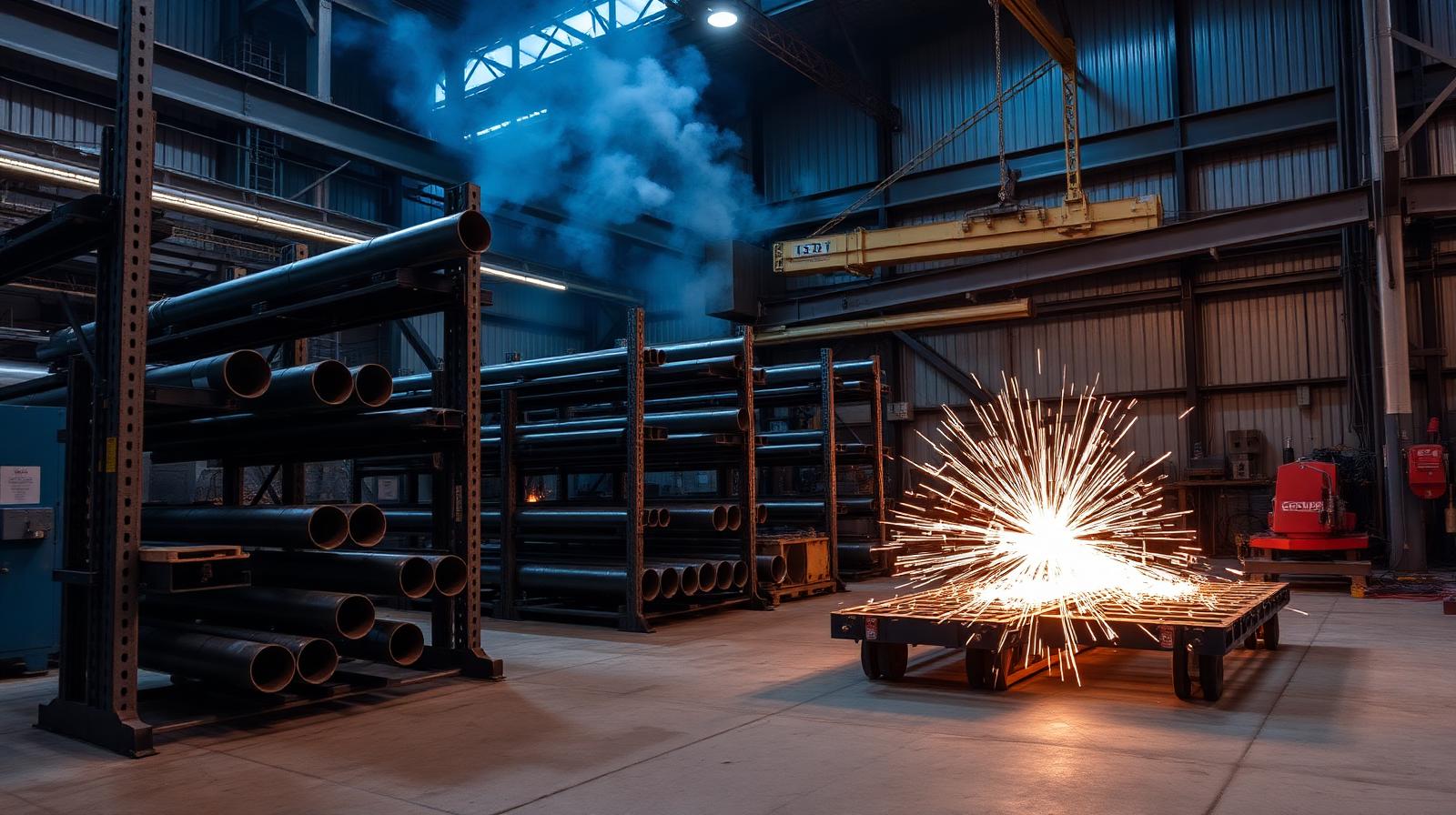
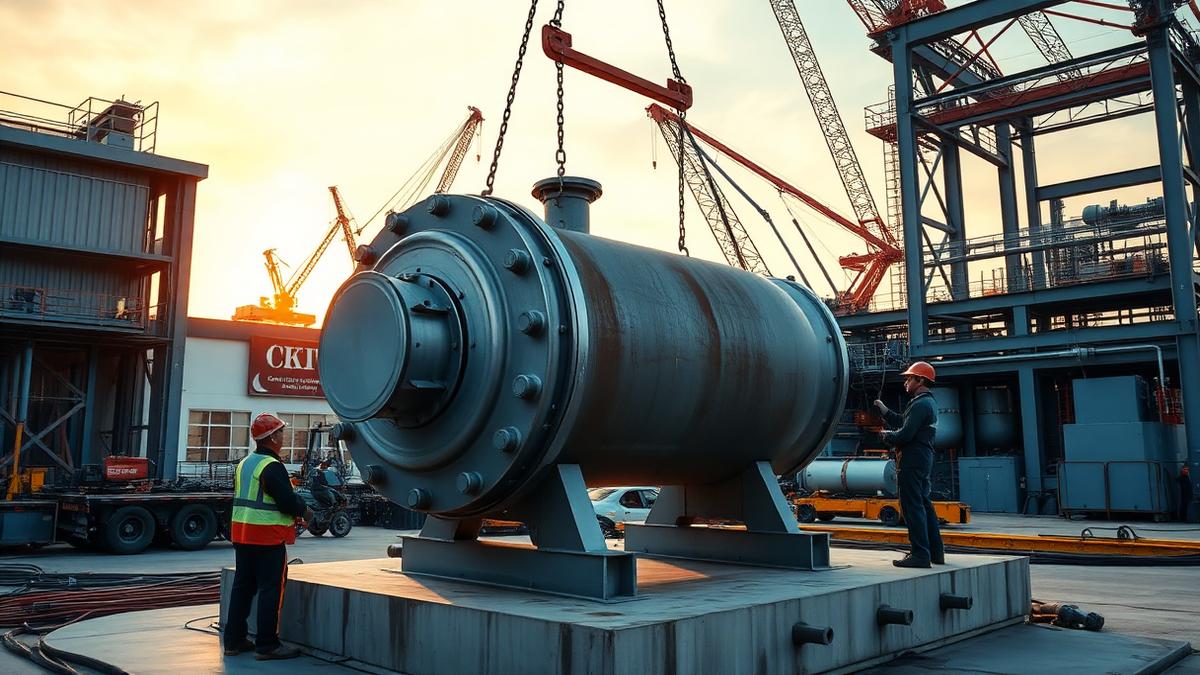
Custom industrial fabrication (pressure vessels, combustion systems, structural steel for process equipment, specialty piping) depends on certified welders and fitters with skills that take years to develop, not months. Unlike more standardized manufacturing work, much of this fabrication involves code-stamped welds, specialty alloys, and one-off geometries that cannot be automated away with the kind of robotics that have absorbed labor shortages in other parts of manufacturing. A shortage of certified welders does not just slow production incrementally; it caps the number of projects a fabrication shop can run in parallel, full stop.
The demographic pressure behind this is well documented: a large share of the existing skilled trades workforce is approaching retirement age faster than apprenticeship and training pipelines are producing replacements, and this pattern holds across both the US and Canadian industrial base. At the same time, demand for fabrication capacity has been rising, driven in part by the same energy infrastructure buildout, biogas expansion, and emissions control retrofit activity covered elsewhere on this blog, which means the labor constraint is tightening from both directions at once.
What this means for project timelines in practice
Operators evaluating a new thermal oxidizer, flare system, or custom fabrication project in 2026 should expect longer lead times between contract signing and fabrication start than they may have experienced five years ago, independent of material lead times or permitting. Shops with a stable, well-trained workforce and strong apprenticeship pipelines are increasingly differentiating themselves less on price and more on schedule certainty: the ability to actually deliver on the date quoted, rather than the date slipping repeatedly as the shop juggles labor across too many concurrent jobs.
This has a direct implication for how operators should be structuring project timelines: build in schedule contingency for labor availability specifically, not just for material and permitting delays, and engage fabrication partners early enough in project planning that workforce capacity can be reserved rather than requested on short notice. A fabrication shop that is told about a project's real scope and schedule needs six months out can plan crew allocation accordingly; one that is asked to quote a rush job with a two-month fabrication window is far more likely to be labor-constrained regardless of how much the operator is willing to pay.
How leading shops are responding
The fabrication companies weathering this shortage best are generally doing three things: investing directly in apprenticeship and in-house training programs rather than relying solely on the external labor market, cross-training welders and fitters across multiple certification types to increase scheduling flexibility, and being disciplined about which projects they commit to rather than overselling capacity and letting every project slip a little. For an operator choosing a fabrication or EPC partner, these are legitimate questions to ask directly during vendor selection, not just "what's your day rate" but "how do you staff a project like this, and what's your current backlog doing to your quoted schedule."
Regional dynamics matter here too. Gulf Coast fabrication capacity, built up over decades around the oil and gas and petrochemical industry, retains a deeper bench of certified welders and pipefitters than many other US regions, which is part of why operators across a broader geography increasingly source custom fabrication work from Gulf Coast shops even when the installation site is elsewhere. The same logic increasingly applies across the US-Canada border for operators with flexibility in project sourcing: proximity to fabrication capacity with a stable, experienced workforce is becoming as important a site selection factor as proximity to the installation location itself.
Practical steps for operators planning 2026-2027 projects
Engage fabrication partners during the engineering and design phase, not after design is finalized, so labor and schedule constraints can inform the project plan rather than surprise it later. Ask prospective fabrication partners directly about their apprenticeship pipeline and current backlog: a shop actively training its next generation of welders is a better long-term partner than one running purely on its current roster. Build explicit schedule contingency for labor availability into project timelines, particularly for any work requiring specialty code welding or certifications in short supply. And where possible, favor fabrication partners with demonstrated capacity to run projects in parallel without diluting quality or slipping delivery dates, since backlog management is now as much a differentiator as technical capability.
The skilled trades shortage is not a temporary blip that resolves itself in the next hiring cycle. It is a structural feature of the North American industrial labor market that is going to shape fabrication timelines for years to come. Operators who build that reality into how they plan and source projects will consistently outperform those still scheduling as if 2019 labor availability is coming back.
Related reading from CREATE Industries: Industrial Fabrication Services: Custom Engineering Built for Performance and our fabrication and field service capabilities.
Frequently Asked Questions
How much longer should I expect fabrication lead times to be in 2026?
Lead times vary by shop and project scope, but operators should build in schedule contingency for labor availability specifically, separate from material and permitting delays, since workforce capacity has become an independent scheduling constraint.
Why can't automation solve the welder shortage?
Much of custom industrial fabrication involves code-stamped welds, specialty alloys, and one-off geometries that do not lend themselves to the kind of standardized robotic welding that has absorbed labor shortages in other manufacturing sectors.
What should I ask a fabrication shop about their workforce before signing a contract?
Ask about their apprenticeship and in-house training pipeline, their current project backlog, and how they staff concurrent jobs. These answers tell you more about realistic schedule risk than a quoted day rate does.
Is the skilled trades shortage worse in the US or Canada?
Both countries face the same underlying demographic pressure (an aging skilled trades workforce retiring faster than apprenticeship pipelines are replacing it) which is why proximity to a fabrication shop with a stable, experienced workforce is becoming a cross-border site selection factor.
Why does Gulf Coast fabrication capacity matter for projects outside the region?
Decades of buildout around the oil and gas and petrochemical industry left the Gulf Coast with a deeper bench of certified welders and pipefitters than many other regions, which is why operators elsewhere increasingly source custom fabrication work from Gulf Coast shops even for installations located outside the region.
When should I bring a fabrication partner into a project?
During the engineering and design phase, not after design is finalized. Early engagement lets labor and schedule constraints inform the project plan instead of surfacing as a surprise once fabrication is supposed to start.
A Gulf Coast Shop With a Real Apprenticeship Bench.
CREATE Industries fabricates pressure vessels, combustion systems, and custom process equipment out of the Gulf Coast, with a workforce we invest in for the long term. Offices in Kennesaw, GA and Mobile, AL. 24/7 emergency response.
Talk to an Engineer