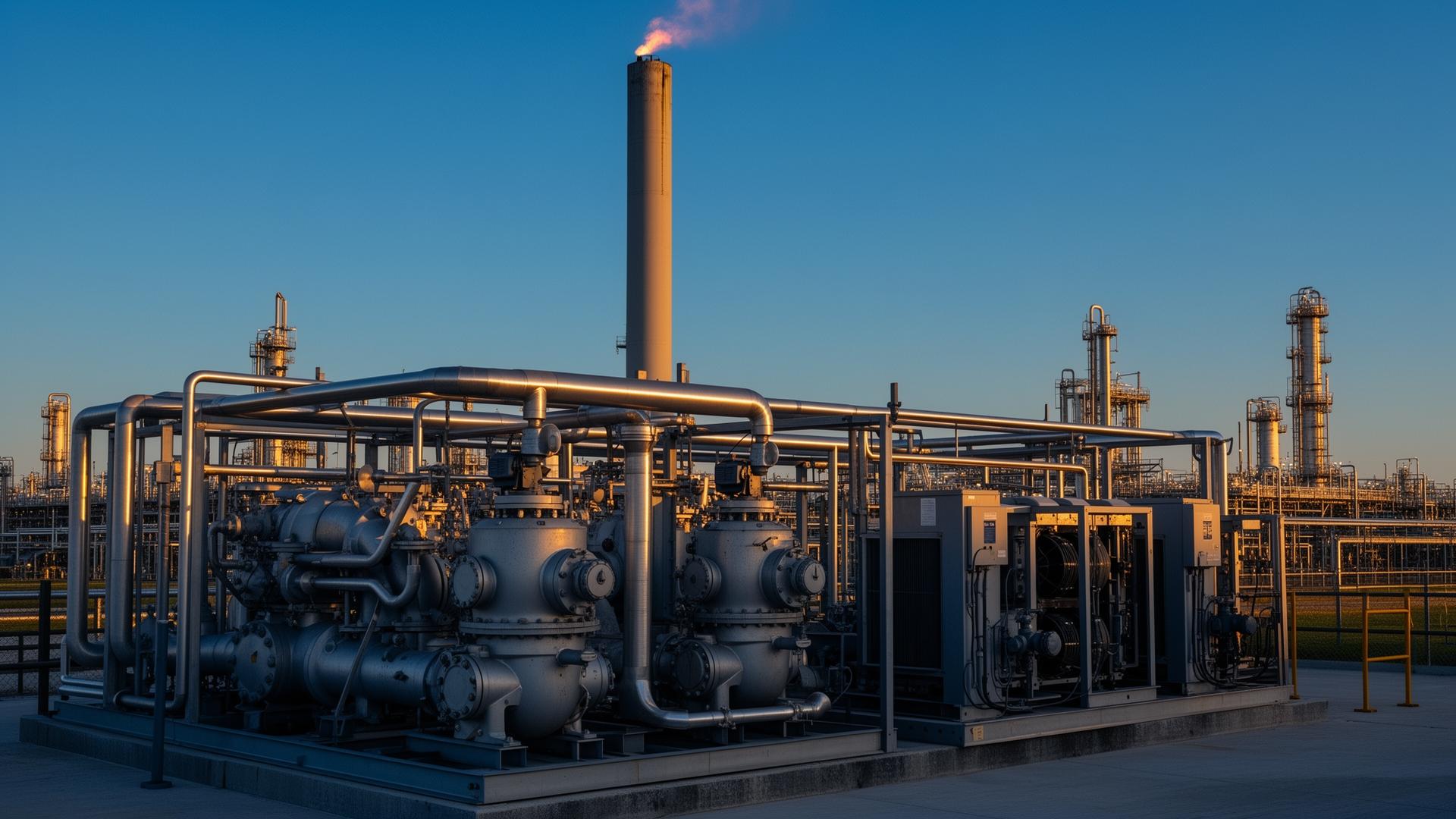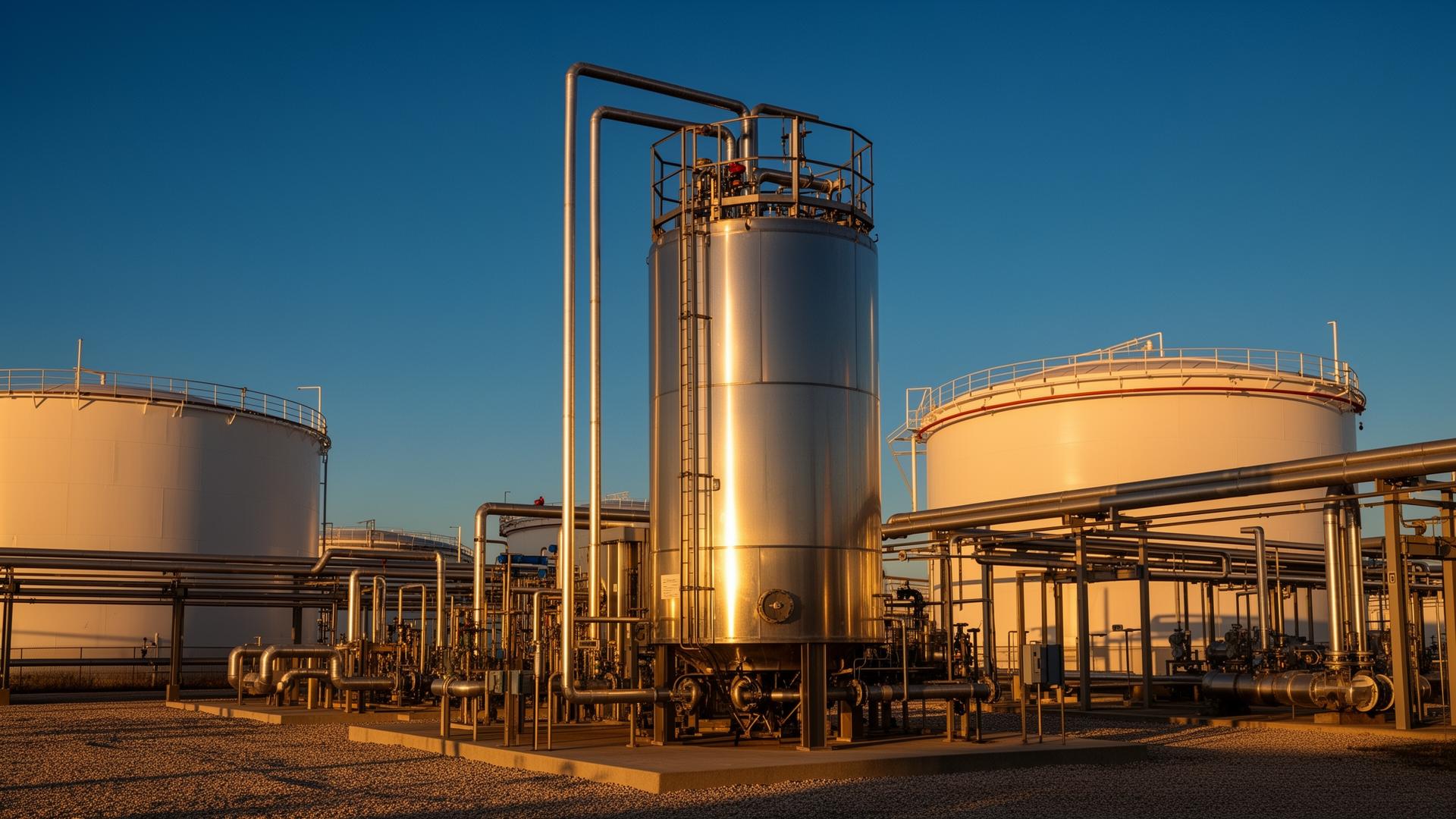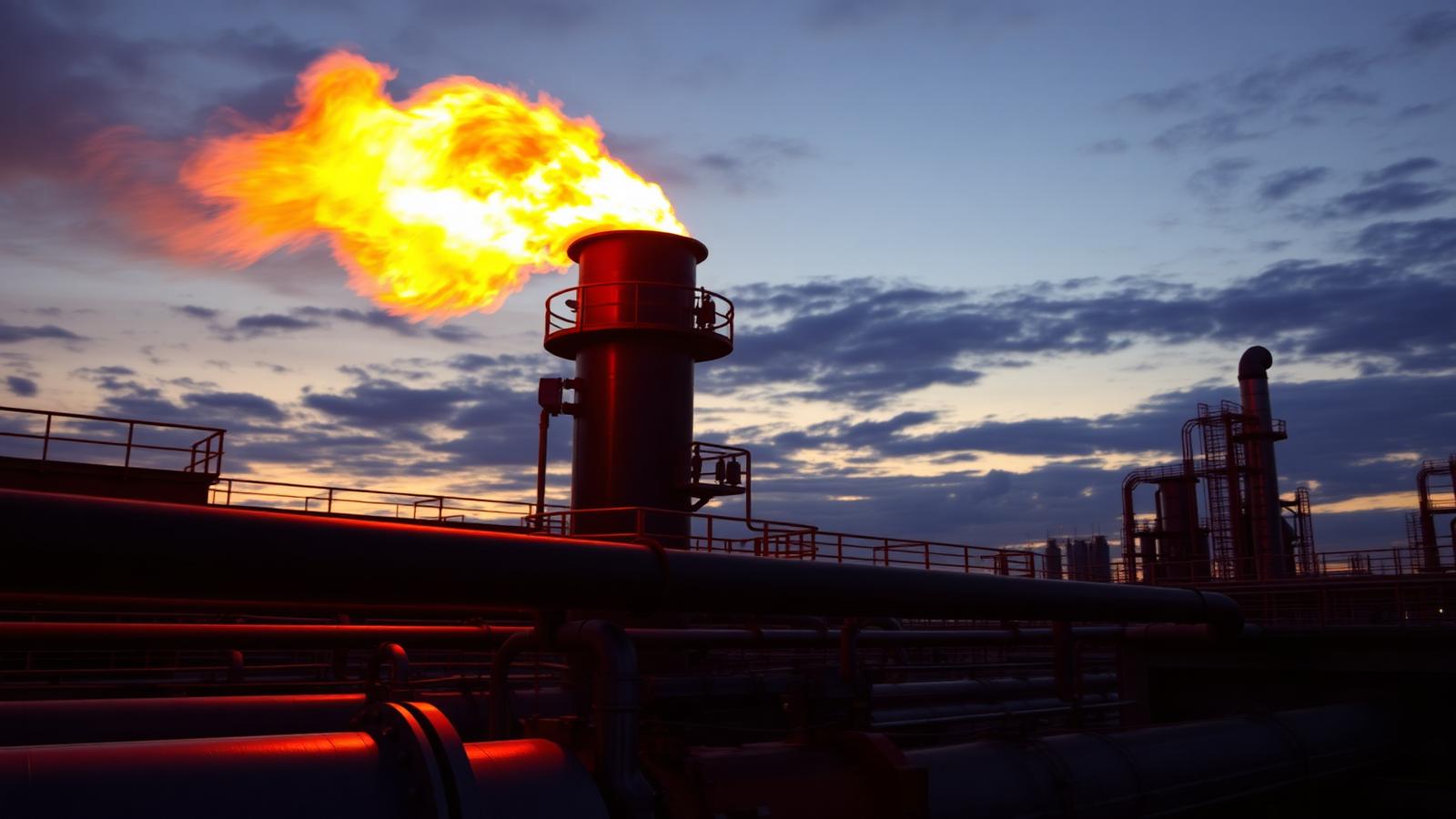
Vapor Recovery Units: Protecting Storage Tank Emissions Compliance for North American Oil & Gas Operators
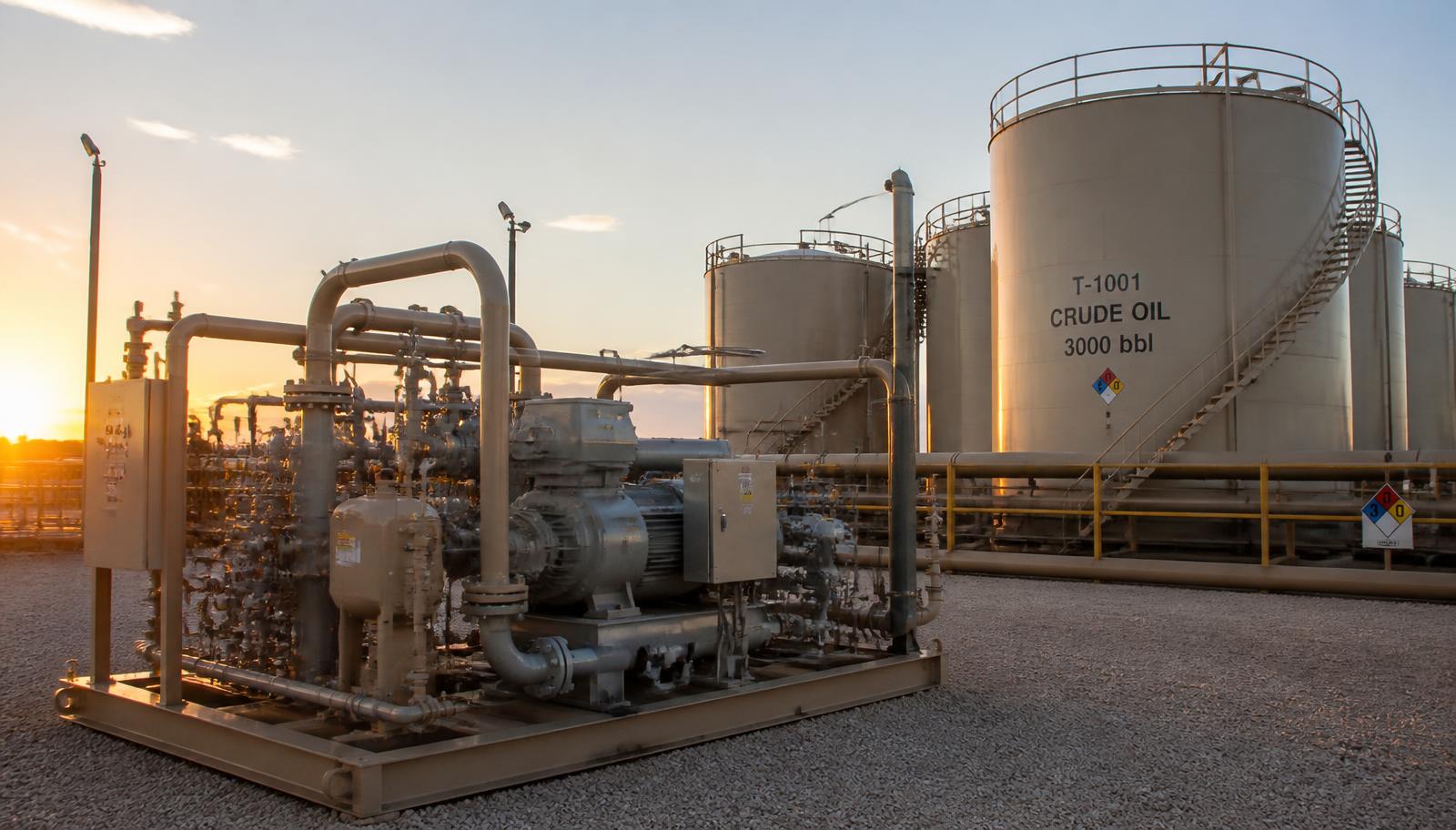
Every barrel of crude or condensate that moves through a storage tank sheds vapor as pressure and temperature change during filling, flashing, and breathing. Left uncontrolled, those vapors are lost product, a safety hazard, and increasingly the subject of direct regulatory attention across both the United States and Canada. Vapor recovery units, sometimes overlooked next to higher-profile flare and thermal oxidizer investments, are one of the more directly profitable pieces of emissions control equipment an oil and gas operator can install, because the gas they capture is gas that can be sold rather than vented or flared.
Why storage tank vapors have become a compliance focus
Storage tank emissions have moved from a secondary concern to a primary one across much of North America. In the United States, methane-focused federal rulemaking has increasingly targeted storage vessel emissions alongside wellhead and midstream sources, treating tank batteries as a meaningful and controllable source of fugitive methane rather than a minor rounding error. In Canada, provincial methane regulations in Alberta, Saskatchewan, and British Columbia have similarly tightened expectations around venting and flaring from production facilities, with storage tanks named specifically as a source requiring control in many jurisdictions.
The result is that a facility that once treated a tank battery as low-priority equipment, worth revisiting only after wellhead and compressor emissions were addressed, is now more likely to face direct questions about tank vapor control during a permitting review or compliance audit. Vapor recovery is no longer a nice-to-have at the margins of a facility's emissions strategy; it is frequently central to it.
How a vapor recovery unit actually pays for itself
Unlike a flare or vapor combustor, whose primary role is destruction, a vapor recovery unit's primary role is capture: it pulls vapor off the tank headspace, compresses it, and routes it back into a sales line or fuel gas system rather than burning or venting it. That distinction matters financially. Every thousand cubic feet of vapor recovered is a thousand cubic feet that does not need to be purchased as fuel gas elsewhere on the facility, and in many cases can be sold as product. Over the operating life of a busy tank battery, that recovered volume adds up to a return that most flare or combustor investments cannot match, because those systems are, by design, destroying value rather than recovering it.
The payback calculation depends heavily on tank throughput, vapor pressure characteristics of the produced fluid, and the price of the gas being recovered, so it is worth modeling on a facility-specific basis rather than assuming a rule-of-thumb payback period across dissimilar sites. A high-throughput condensate battery in a liquids-rich basin will typically see a faster return than a low-volume, low-vapor-pressure site.
Sizing and integration are where projects go wrong
The most common vapor recovery unit failures are not mechanical: they are sizing and integration failures. A VRU sized against average tank throughput rather than peak flashing conditions during a fill event will be overwhelmed at exactly the moments it matters most, causing the tank's pressure relief system to activate and vent gas the VRU was supposed to capture in the first place. Getting this right requires modeling the actual flashing behavior of the specific fluid being stored, not a generic assumption carried over from a different basin or a different crude slate.
Integration with the facility's existing fuel gas or sales gas system is the other frequent stumbling block. A VRU that recovers vapor successfully but has nowhere suitable to send it because of pressure mismatches, gas quality issues, or insufficient downstream capacity ends up cycling gas back to the flare anyway, defeating the purpose of the investment. Facilities upgrading or adding VRU capacity should treat the downstream tie-in as part of the same engineering package as the unit itself, not a separate problem to solve after the equipment arrives on site.
Cross-border considerations for VRU specification
Operators working across the US-Canada border, or benchmarking practices from one country against the other, should be aware that regulatory expectations around VRU performance monitoring differ. Some Canadian provincial frameworks have moved toward more prescriptive component-level requirements for vapor control equipment, while several US federal and state programs lean more heavily on measured or estimated emission-reduction outcomes. A VRU specified to satisfy one regulatory framework will not automatically satisfy the other without review, and operators with assets on both sides of the border should confirm requirements separately for each jurisdiction rather than assuming a single spec covers both.
Treating vapor recovery as part of the whole-facility emissions picture
Vapor recovery units work best as part of an integrated emissions strategy alongside flares, vapor combustors, and leak detection programs, not as an isolated point solution. A facility that recovers tank vapor efficiently but still has significant fugitive losses elsewhere in the system has closed only part of the gap. The strongest-performing facilities treat vapor recovery, flare destruction efficiency, and fugitive emissions monitoring as three parts of a single compliance and value-recovery strategy, engineered and reviewed together rather than bought piecemeal over several budget cycles.
Related reading from CREATE Industries: Gulf Coast Flare Gas Recovery Systems, Flare Destruction Efficiency and EPA OOOOb, and our emission control product line.
FAQs
What is the main difference between a vapor recovery unit and a vapor combustor?
A vapor recovery unit captures and compresses vapor for reuse or sale, while a vapor combustor destroys vapor through enclosed combustion. VRUs recover value; combustors eliminate emissions when recovery is not feasible or when residual gas still needs destruction.
How is a vapor recovery unit sized correctly?
Sizing should be based on peak flashing conditions during tank fill events, using the actual vapor pressure characteristics of the fluid being stored, rather than average throughput or a generic industry assumption.
Why do some vapor recovery unit installations fail to reduce venting?
The most common cause is inadequate downstream integration. If the recovered gas has nowhere to go due to pressure mismatch or insufficient sales or fuel gas capacity, it can end up routed back to a flare, defeating the purpose of the unit.
Do vapor recovery unit requirements differ between the US and Canada?
Yes, in some respects. Certain Canadian provincial frameworks lean toward prescriptive component-level requirements, while several US programs emphasize measured or estimated emission outcomes. Operators with cross-border assets should confirm requirements separately in each jurisdiction.
Can a vapor recovery unit pay for itself?
Often, yes, particularly at higher-throughput or liquids-rich sites, because recovered vapor can be sold or used as fuel gas rather than destroyed. The payback period depends on site-specific throughput, vapor pressure, and gas pricing, so it should be modeled per facility.
Recover the Gas Instead of Burning It.
CREATE Industries engineers, fabricates, and services vapor control and emission control systems for oil and gas operators across North America. Offices in Kennesaw, GA and Mobile, AL. 24/7 emergency response.
Talk to an Engineer