EPA Methane Fee & Flaring Deadlines in 2026: What Oil & Gas Operators Need to Do Right Now
If you operate oil and natural gas facilities in the United States, 2026 is shaping up to be one of the most confusing compliance years in recent memory, and confusion is expensive. Between the Waste Emissions Charge (WEC), the flaring standards under NSPS OOOOb and Emission Guidelines OOOOc, and a rapidly shifting enforcement posture at EPA, operators are being asked to make capital decisions without a stable rulebook underneath them. Here is what is actually happening, and what a prudent operator does about it.
The Waste Emissions Charge: Paused, Not Gone
The Inflation Reduction Act created a per-ton charge on methane emissions that exceed statutory intensity thresholds for large oil and gas facilities, those reporting more than 25,000 metric tons of CO2-equivalent per year. As written, the charge started at $900 per metric ton for 2024 emissions, stepped up to $1,200 for 2025, and was scheduled to reach $1,500 per metric ton for 2026 and beyond. In early 2025, Congress used the Congressional Review Act to repeal the implementing rule, and subsequent budget legislation pushed the earliest possible collection date for the charge out to 2034. EPA has also proposed delaying the related Subpart W greenhouse gas reporting requirements until the same year.
That sounds like relief, but it is a legal and political pause, not a repeal of the underlying statute. The charge still exists in the Clean Air Act. A change in administration, a court ruling, or a future Congress could reactivate collection well before 2034, and the emissions data facilities are reporting today under Subpart W will still exist as a record when that happens. Operators who treat this as "handled" are making a bet on politics staying still for eight years. Operators who keep investing in leak detection, vapor recovery, and flare efficiency are hedging that bet regardless of which way it breaks.
The Flaring Deadline That Did Not Move
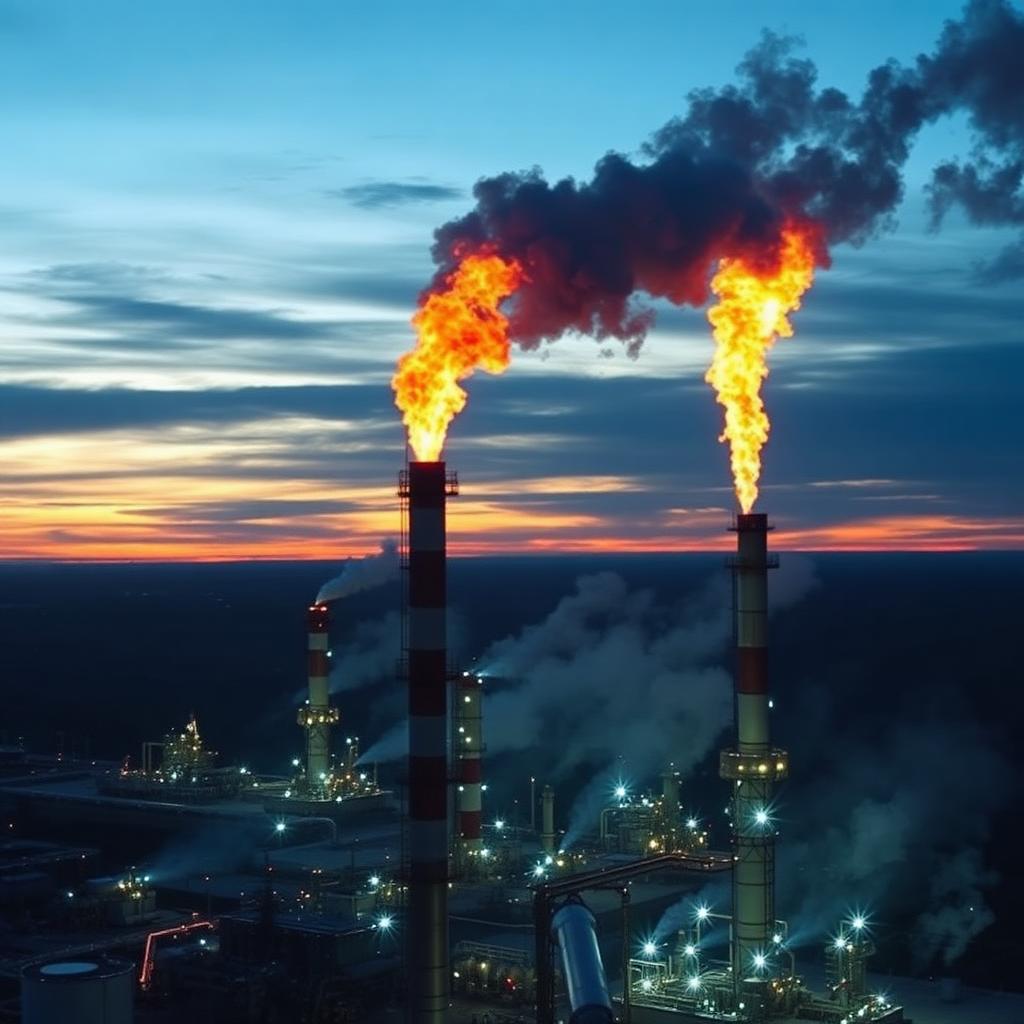
While the WEC sits in limbo, the OOOOb/OOOOc flaring standards did not. These rules restrict routine flaring at oil wells and require operators to route associated gas to sales, use it on-site, or reinject it instead of burning it off, with a narrow exemption for temporary service interruptions of up to 30 days. EPA has signaled it intends to reconsider parts of the broader methane rule package, but the compliance deadline for routine flaring restrictions has already passed for most operators, and enforcement guidance issued this year reaffirmed the exemption structure rather than eliminating it.
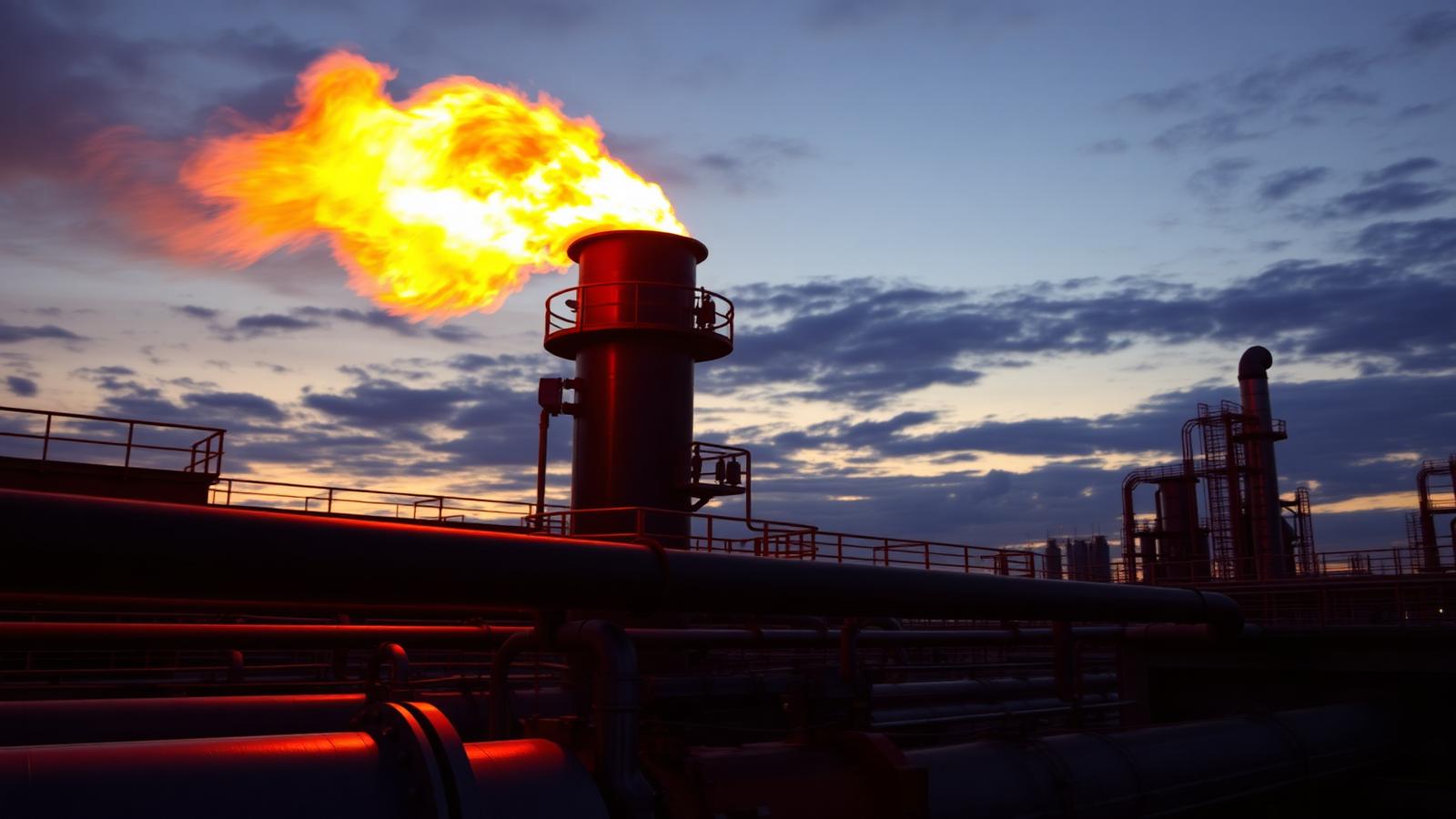
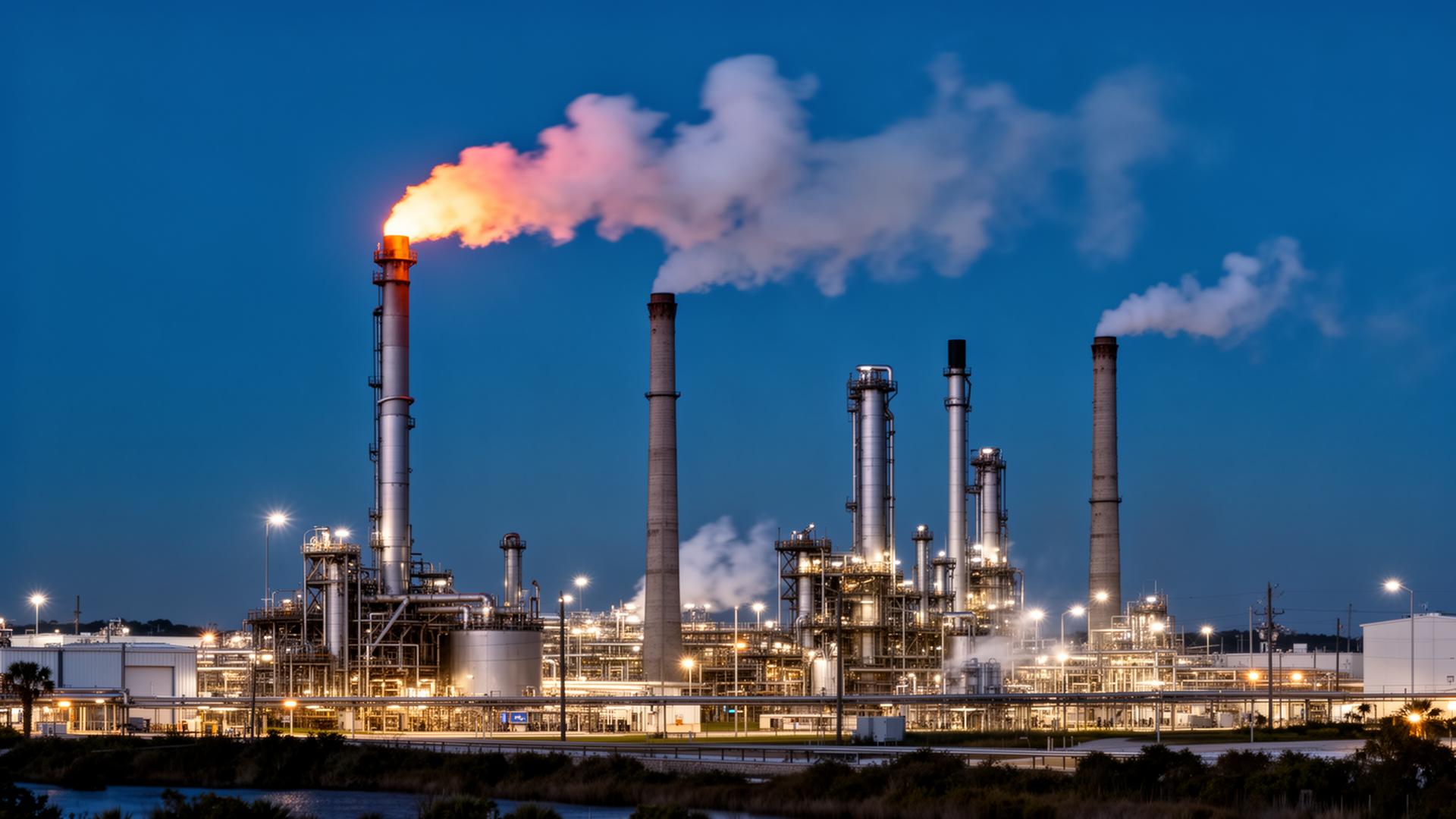
In practice, this means facilities still need functioning infrastructure to capture, route, or combust gas at the efficiency levels the rule assumes: vapor recovery units, flare gas recovery systems, and enclosed combustors sized correctly for current and near-term production. A flare that is undersized, poorly maintained, or lacking the continuous monitoring now expected under the technical amendments to the rule is a liability whether or not the fee is being collected this year.
Why "Wait and See" Is the Expensive Option
Regulatory uncertainty tends to push operators toward one of two responses: freeze capital spending until the picture clarifies, or keep infrastructure current so that whichever direction the rule goes, the facility is already compliant. The first option feels cheaper in the short term. It usually is not. Retrofitting a flare system, adding vapor recovery, or replacing a thermal oxidizer under deadline pressure after a fee reactivates or a state implementation plan tightens costs more, takes longer to permit, and puts the facility at risk of the exact charge it was trying to avoid.
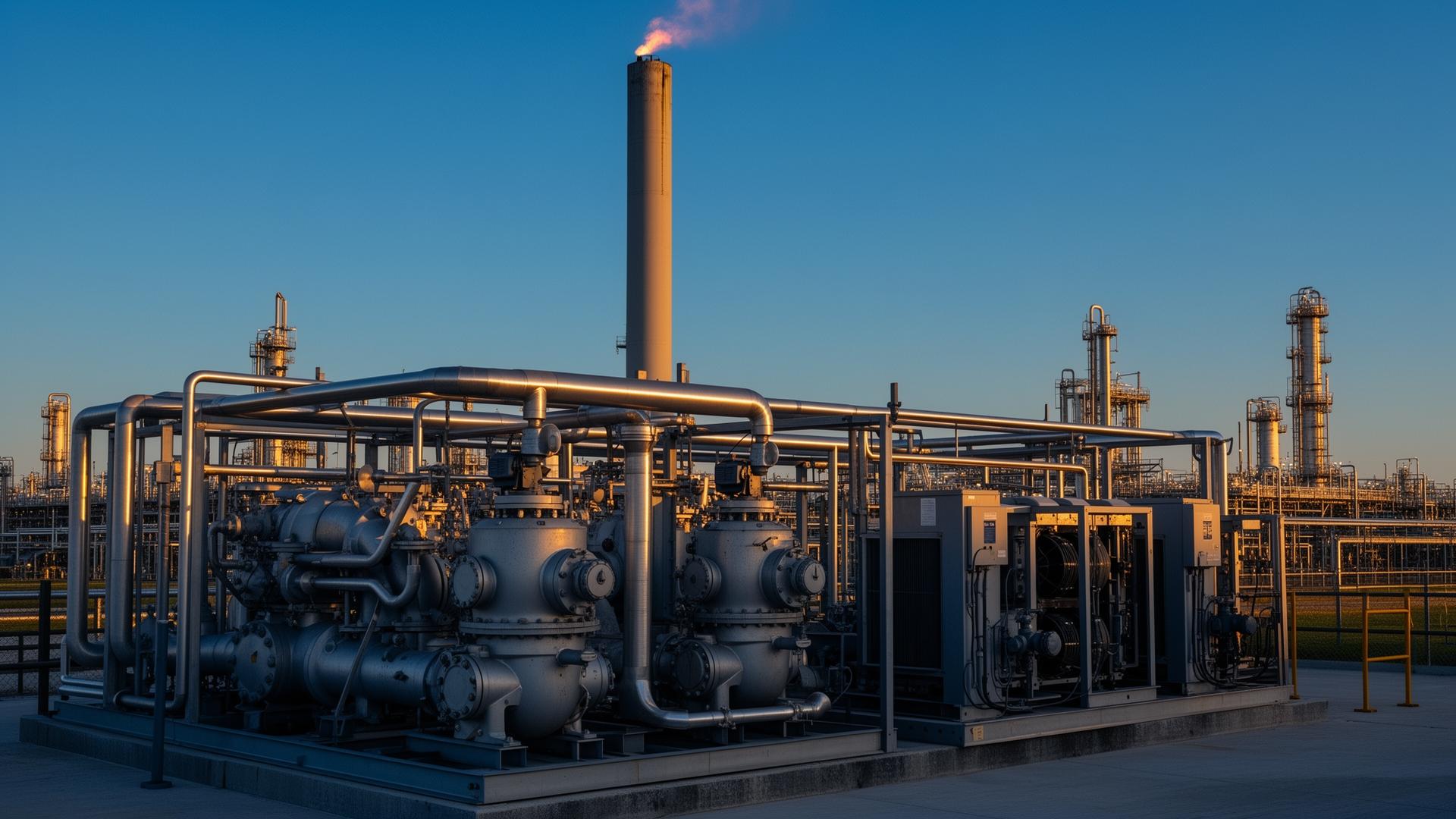
The more resilient approach treats emissions control equipment as core production infrastructure rather than a compliance cost center. Flare gas recovery systems, for example, do not just reduce Waste Emissions Charge exposure, they capture gas that would otherwise be destroyed and route it to sales or fuel use, which pays for itself independent of what EPA does next. Enclosed vapor combustors and properly sized thermal oxidizers protect the facility's Title V permit regardless of which fee structure is in effect in a given year.
What a Practical 2026 Checklist Looks Like
Start with an honest audit of Subpart W reporting data against current flaring and venting practices, not to game the numbers, but to understand where the facility would stand if enforcement tightened tomorrow. Review flare and vapor combustor sizing against current throughput, since many systems installed a decade ago were engineered for production volumes that have since changed. Confirm continuous monitoring equipment on flares meets the technical requirements finalized under the OOOOb/OOOOc reconsideration, since gaps here are among the easiest violations for inspectors to find. And build a relationship with a fabrication and EPC partner who can move fast when the compliance window narrows, rather than starting that search after a notice of violation arrives.
Gulf Coast operators in particular are in a strong position to act now rather than later. Regional fabrication capacity, proximity to steel supply, and existing familiarity with Title V permitting timelines mean equipment upgrades can move from engineering to commissioning faster than in most other parts of the country, which matters a great deal if the regulatory picture shifts again before the decade is out.
The methane fee may be paused. The infrastructure question is not. Operators who keep their flare, vapor recovery, and thermal oxidation systems current are the ones who will not be scrambling the next time Washington changes its mind.
Frequently Asked Questions
Is the EPA Waste Emissions Charge still in effect in 2026?
Collection has been pushed out to 2034 following the 2025 Congressional Review Act repeal and subsequent budget legislation, but the charge still exists in statute. Facilities are still expected to report Subpart W data that would determine liability if collection resumes sooner.
Do I still have to comply with the OOOOb/OOOOc flaring rules if the fee is paused?
Yes. The flaring restrictions and the Waste Emissions Charge are separate mechanisms. The routine flaring deadline has already passed for most operators, and EPA's 2026 guidance reaffirmed the existing temporary-interruption exemption rather than removing the underlying requirement.
What is the temporary flaring exemption under OOOOb/OOOOc?
Operators may flare for up to 30 days during a temporary interruption in service without violating the routine flaring restriction, provided the interruption meets the rule's defined conditions.
Should I still invest in flare gas recovery if the methane fee is not being collected right now?
Most operators find flare gas recovery pays for itself independent of the fee, since it captures gas that can be sold or used on-site instead of destroyed. It also protects against the fee reactivating before infrastructure could otherwise be upgraded.
How do I know if my flare or thermal oxidizer meets current monitoring requirements?
Compare your continuous monitoring setup against the technical amendments finalized under the OOOOb/OOOOc reconsideration, which addressed monitoring requirements specifically. A fabrication or compliance partner can audit this against your current permit conditions.
What happens if the Waste Emissions Charge is reactivated before 2034?
Facilities would owe charges based on the Subpart W emissions data they have been reporting in the interim, calculated against the statutory methane intensity thresholds for their segment. Facilities without adequate flare and vapor recovery infrastructure in place would face the largest, most sudden exposure.
Ready for Whatever EPA Does Next?
CREATE Industries designs, fabricates, installs, and services flare systems, flare gas recovery skids, vapor combustors, and thermal oxidizers sized for current production and the monitoring standards in the OOOOb/OOOOc reconsideration. Field assessment through commissioning, US-wide, with offices in Kennesaw, GA and Mobile, AL and 24/7 emergency response.
Talk to an Engineer