Flare Systems and Gas Flaring on the Gulf Coast: Safety, Compliance, and What Alabama Operators Need to Know
In oil and gas, refining, chemical processing, and many other industrial sectors, flare systems are a fundamental safety infrastructure and a heavily regulated one. Whether you're operating a refinery on the Mobile Bay, a gas processing facility in South Alabama, or an offshore support facility along the Gulf Coast, your flare system is one of the most consequential pieces of equipment on your site.
When a flare system is designed correctly, maintained properly, and operating as intended, it does its job quietly in the background, safely combusting emergency relief gases, maintaining pressure control during upsets, and keeping your facility within the bounds of your operating permit. When it isn't working correctly, the consequences range from an emissions exceedance to a serious safety event.
Gulf Coast operators face some specific challenges around flare systems that facilities in other regions don't. The combination of extreme weather events, particularly hurricane season; high humidity; salt air corrosion; and the sheer density of industrial operations in the Gulf Coast corridor creates both operational complexity and heightened regulatory scrutiny.
Types of Industrial Flare Systems
Not all flare systems are the same. The right design depends on your process conditions, the volume and composition of waste gas streams, your permit requirements, and site-specific factors. The main types:
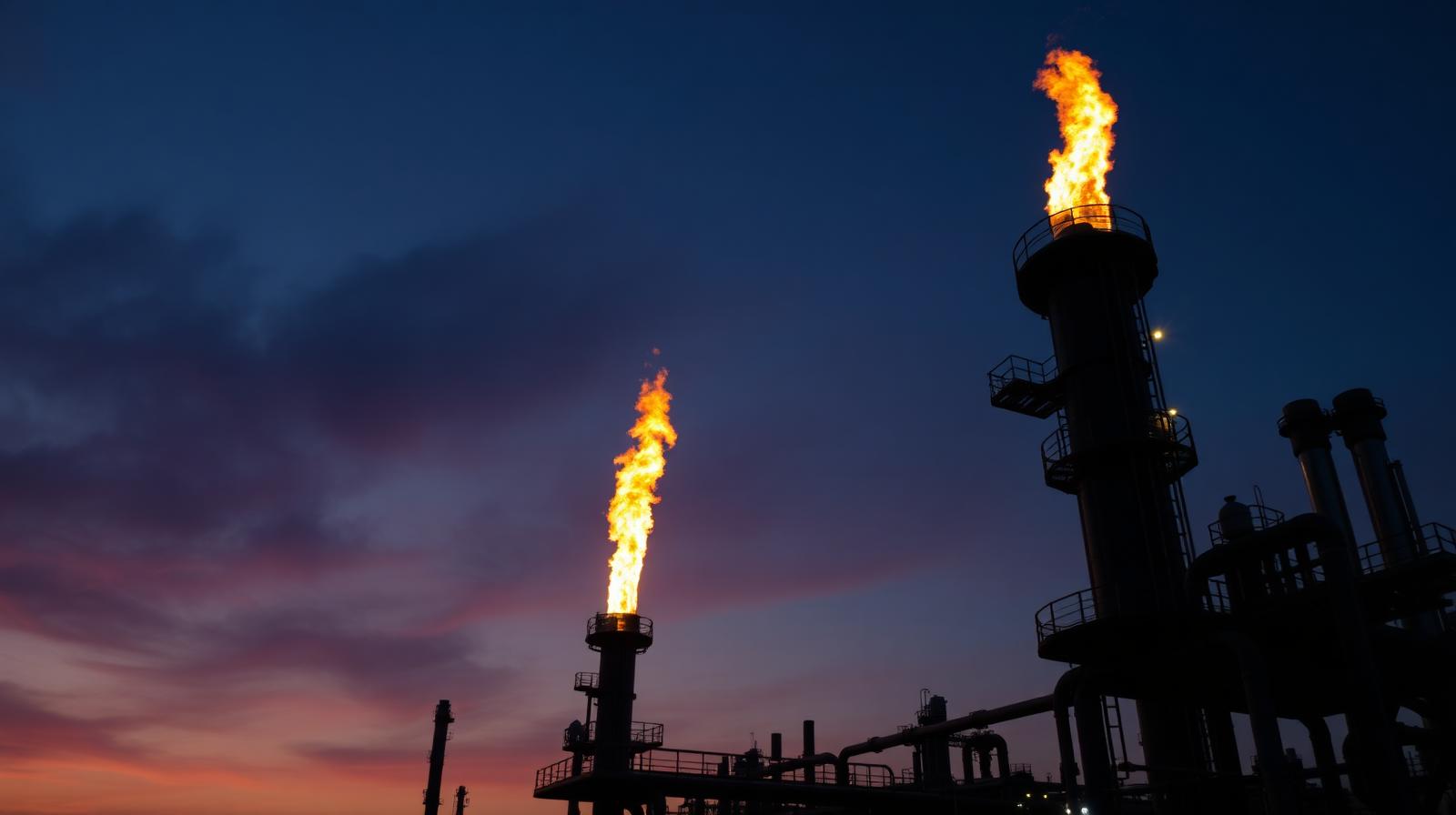
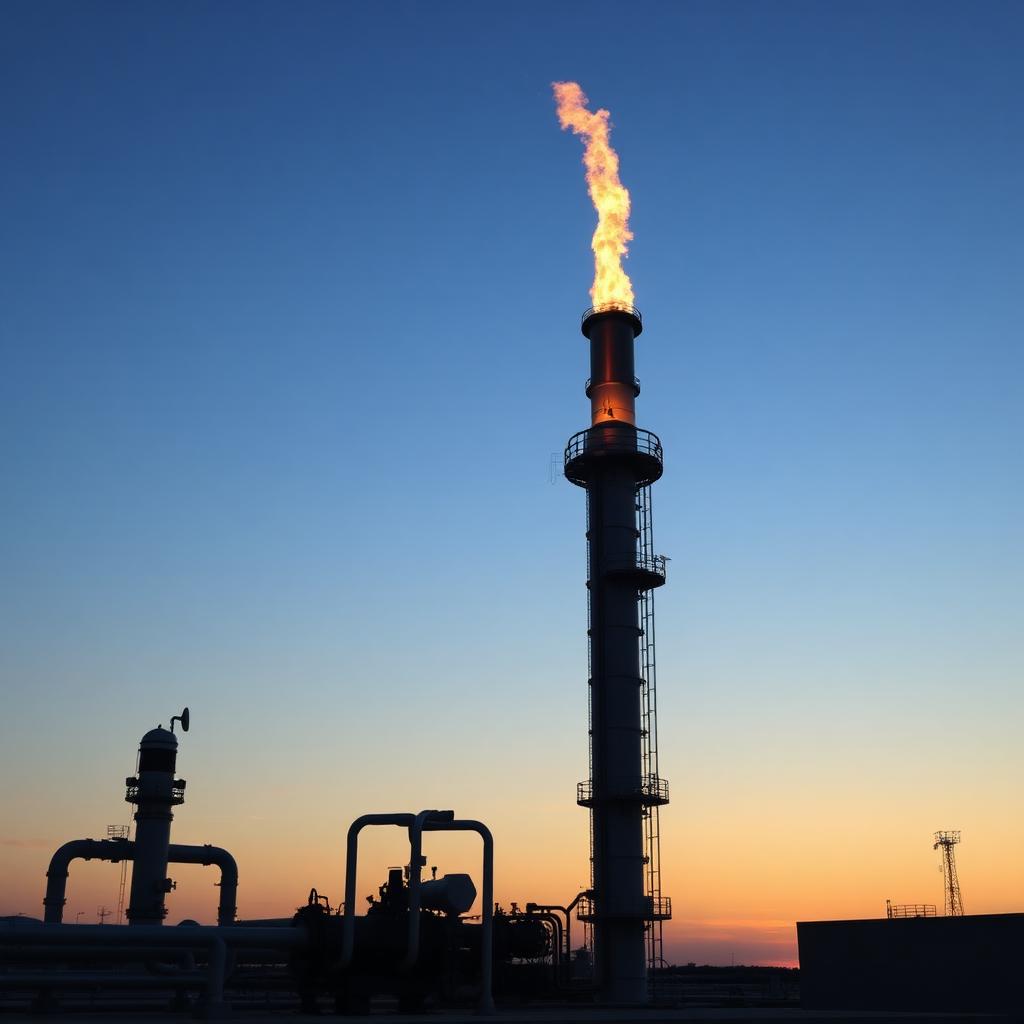
- Elevated open flares: The classic tall flare stack with an open tip. Used for high-volume emergency relief events; common at refineries and petrochemical plants. Highly visible and subject to NSPS Subpart Ja.
- Enclosed ground flares: For facilities where visible flame and smoke are compliance issues, these combust waste gas inside a refractory-lined enclosure for better combustion efficiency without visible flame.
- Enclosed vapor combustors: Smaller, simpler enclosed combustion units designed for low-pressure, low-flow waste gas streams. Widely used at crude oil tank batteries, wastewater facilities, landfills, and biogas operations across Alabama.
- Flare gas recovery systems: Rather than combusting waste gas, recovery systems capture flare gas and reuse it as fuel or process feedstock, delivering economic value while reducing emissions.
EPA and ADEM Regulatory Requirements for Gulf Coast Flares
Flare systems at Gulf Coast facilities are subject to a layered set of federal and state regulatory requirements. Key frameworks include:
- NSPS Subpart Ja: EPA's New Source Performance Standards for petroleum refineries impose specific design and operating requirements for flares, including minimum heating value requirements for flare gas, steam-to-gas ratio limits for steam-assisted flares, and monitoring requirements.
- 40 CFR Part 60 and Part 63: These federal regulations cover flare design, operation, and monitoring across a range of industrial source categories. Part 63 MACT standards impose requirements on flares used as control devices for HAP emissions at major sources.
- ADEM air permit conditions: Your ADEM air permit will have specific operating conditions for your flare system limits on gas composition, flow rates, monitoring requirements, and record-keeping obligations.
The 2023 and 2024 EPA flare monitoring rule updates significantly expanded the requirements for flare gas composition monitoring and CEMS at large facilities. Alabama operators who haven't reviewed their flare monitoring programs against these updates should do so.
Why Gulf Coast Conditions Complicate Flare Operations
- Hurricane and high-wind conditions: Gulf Coast flare stacks have to be engineered for wind loads that facilities in other regions don't face. Post-storm inspection should be standard practice.
- Salt air corrosion: Flare tips, ignition systems, and structural components degrade faster than in inland locations. Inspection frequencies and corrosion protection must account for this.
- High humidity and heat: Accelerates corrosion on electrical and instrumentation components. Pilot ignition systems are particularly vulnerable to moisture intrusion.
- Variable gas composition: Many Gulf Coast operations handle gases with variable composition, which affects flare combustion performance and can create compliance issues.
Flare System Maintenance: What Gets Neglected and Why It Matters
Of all the industrial equipment we service, flare systems tend to be among the most neglected from a maintenance standpoint. Most of the time, they're not actively operating, so problems aren't visible until there's an emergency or a compliance inspection.
The components that most commonly cause problems due to deferred maintenance are pilot ignition systems, flare tips, and control instrumentation. Pilot systems that aren't functioning reliably mean a flare won't light during an emergency relief event, which is both a safety failure and a permit violation. Deteriorated flare tips affect combustion efficiency and can lead to visible smoke and emissions exceedances. Control instrumentation out of calibration generates false data and creates compliance exposure.
Frequently Asked Questions
What is the difference between an open flare and an enclosed ground flare?
An open flare combusts waste gas at the tip of an elevated stack with a visible flame. An enclosed ground flare combusts gas inside a refractory-lined enclosure, eliminating visible flame and providing better combustion efficiency. Enclosed flares are used when visible emissions are a compliance or community relations concern.
How do I know if my flare system meets current EPA requirements?
Current EPA flare requirements under NSPS Subpart Ja and applicable MACT standards have specific design and operating criteria, including minimum net heating value, assist media ratios, and monitoring requirements. If your flare system was designed more than five years ago and hasn't been reviewed against the 2023–2024 rule updates, an engineering review is warranted.
What should I do to prepare my flare system for hurricane season?
Before hurricane season, conduct a structural inspection of the flare stack and supports, test all pilot ignition systems, inspect and test the ESD and control system, check corrosion protection on exposed components, and verify that all monitoring systems are functional. We offer pre-season inspection packages for Gulf Coast facilities.
Can flare gas be recovered and used instead of burned?
Yes, in many cases. Flare gas recovery systems compress waste gas streams and route them back to the facility fuel system or to processing. The economics depend on gas composition, volume, and your facility's fuel needs, but many Gulf Coast operators have found recovery systems to be cost-effective investments with attractive payback periods.
How do I report a flare malfunction or emission event to ADEM?
Alabama regulations require facilities to report excess emissions events, including flare malfunctions, to ADEM within two days of discovery, with a written report typically required within 30 days. Your permit will specify the exact notification requirements. Contact ADEM and follow up with documentation through your environmental compliance program.
Conclusion
Flare systems are an essential part of the safety and compliance infrastructure at Gulf Coast industrial facilities, and they deserve more attention than they typically receive. CREATE Industries provides full lifecycle flare system services for Alabama and Gulf Coast operators: design, fabrication, installation, commissioning, routine maintenance, and emergency response.
Talk to a Flare Systems Specialist
From design and commissioning to hurricane-season inspections and 24/7 emergency response, our team is ready when you are.
Contact Our Team