Gulf Coast Energy Infrastructure: What It Takes to Build, Maintain, and Modernize It
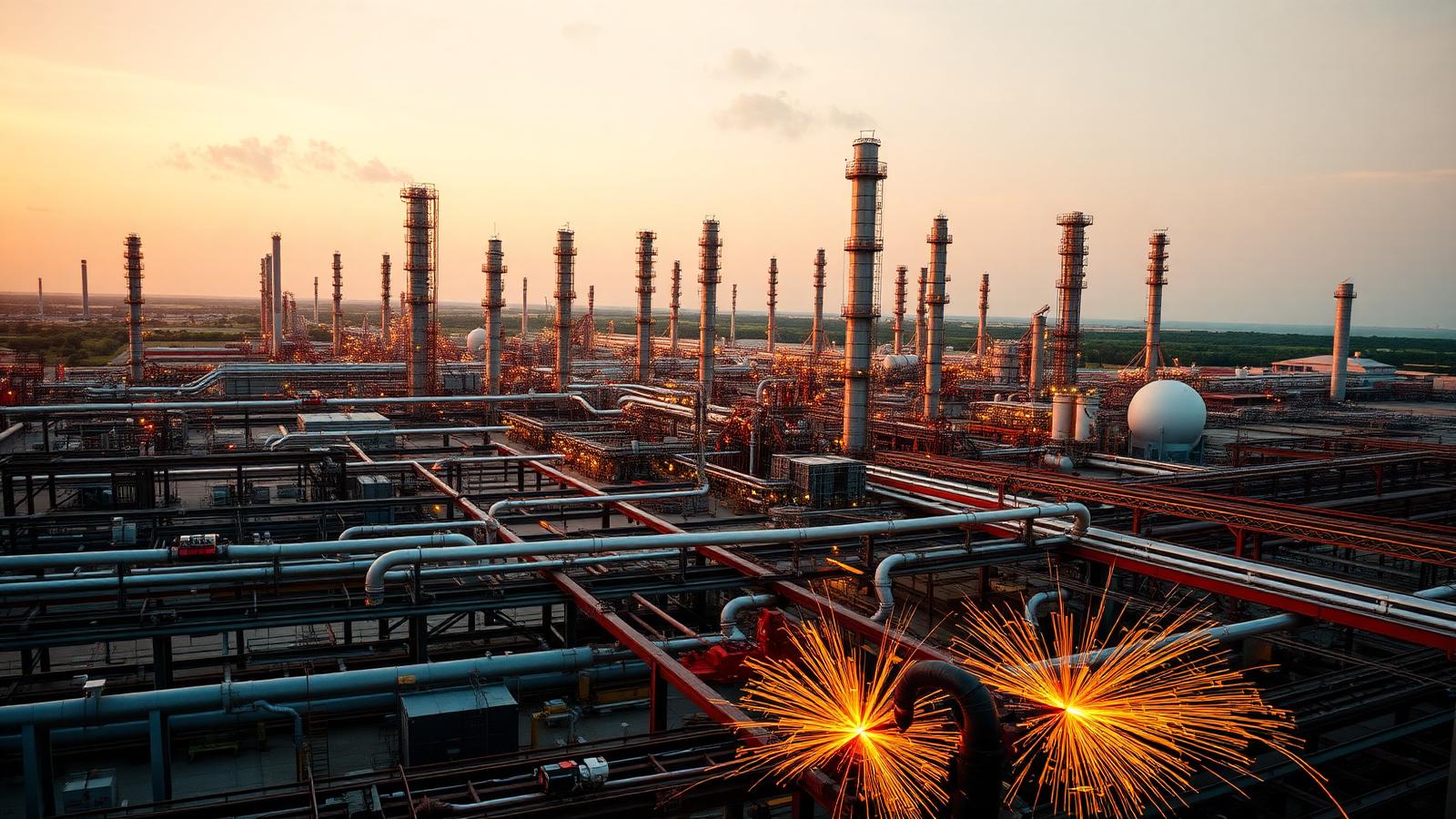
The Gulf Coast is home to the most concentrated energy infrastructure in the United States. Refineries, petrochemical complexes, offshore platforms, pipelines, LNG terminals, and the industrial ecosystem that supports all of them represent trillions of dollars in installed assets, and the foundation of American energy production.
That infrastructure is aging. Much of it was built in the 1970s, 1980s, and 1990s, designed for a regulatory environment and energy market that no longer exists. The question facing Gulf Coast energy operators in 2026 is not whether to invest in infrastructure. It is how to do it efficiently, compliantly, and without disrupting the continuous operations these facilities depend on.
The State of Gulf Coast Energy Infrastructure in 2026
Key infrastructure realities facing Gulf Coast energy operators:
- Average refinery age: many Gulf Coast refining assets are 40–50 years old, operating well beyond original design life
- Regulatory evolution: emission standards and safety requirements have changed substantially since most current infrastructure was commissioned
- Workforce transition: experienced trades workers who understand legacy systems are retiring, creating knowledge transfer gaps
- Energy transition pressures: growing demand for biogas processing, emissions reduction, and energy recovery systems
- Deferred maintenance backlog: years of reduced capital spending have created significant deferred maintenance on critical systems
What Comprehensive Energy Infrastructure Services Look Like
Engineering and Design
- Process and system design: technical specifications for new or upgraded systems
- Structural engineering: support systems designed for Gulf Coast environmental conditions
- Controls and instrumentation engineering: specifying control infrastructure for automated systems
- Compliance engineering: designing systems that meet current regulatory requirements from day one
Custom Metal Fabrication and Manufacturing
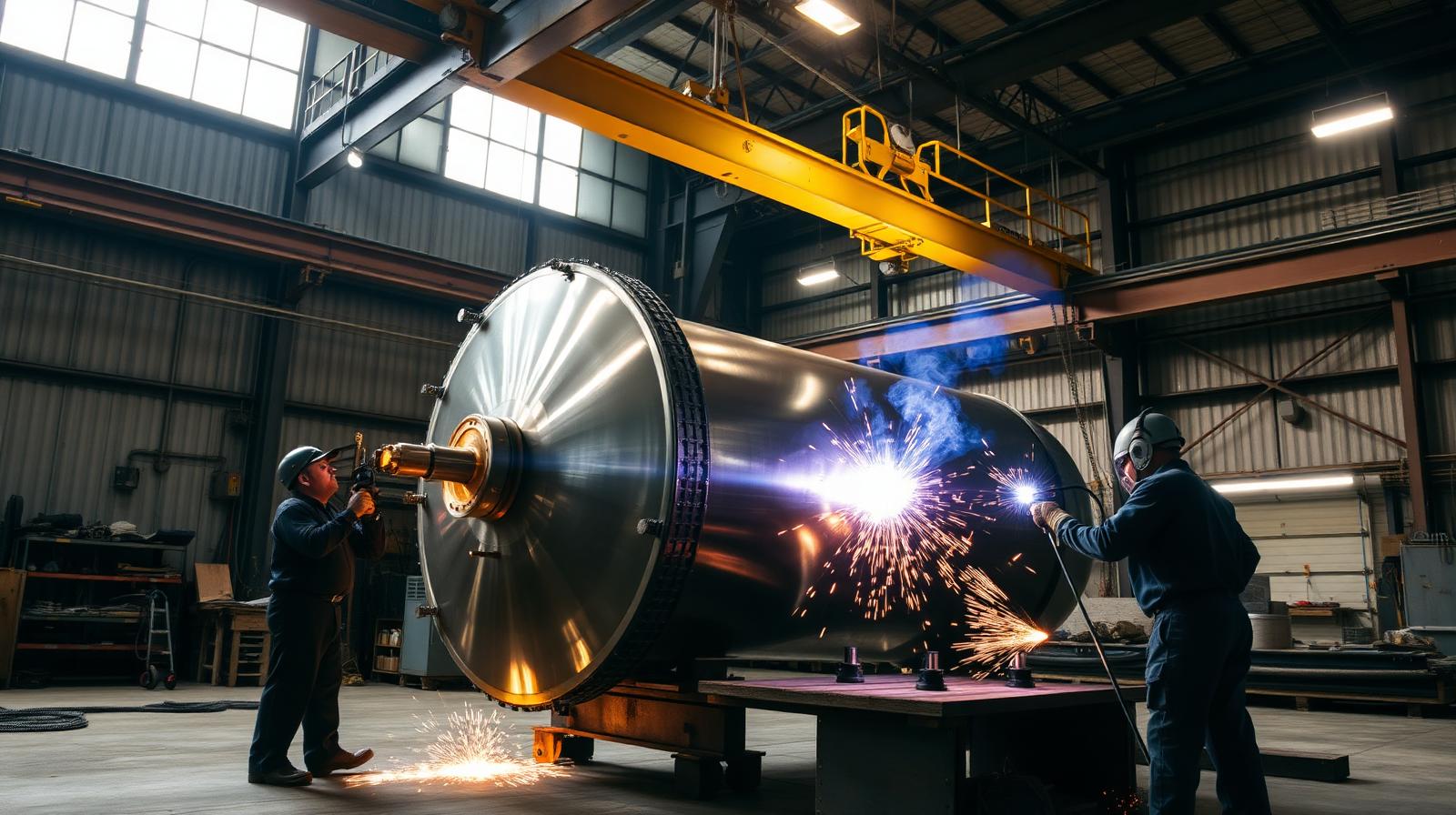
- Custom pressure vessel and equipment fabrication built to project-specific dimensional and material requirements
- Structural steel fabrication, platforms, supports, and structures engineered for Gulf Coast conditions
- Piping and manifold fabrication, custom-fabricated to spec and ready for field installation
- Emission control equipment fabrication, Thermal Oxidizers, flares, and abatement systems manufactured in-house
Field Services and Installation
- Millwright and rigging services for heavy equipment installation and precision positioning
- Crane rigging and heavy equipment moving for the large, heavy components Gulf Coast infrastructure requires
- Electrical installation and commissioning with full electrical contractor capability for industrial installations
- Mechanical installation, complete services for equipment and piping systems
Maintenance and Ongoing Support
- Preventive maintenance programs designed to maximize equipment availability
- Emergency repair services for facilities that cannot afford extended downtime
- Spare parts programs stocking critical components to minimize repair lead times
- Equipment lifecycle management, tracking asset condition and planning maintenance proactively
Biogas and Emerging Energy Infrastructure
Emerging energy infrastructure areas CREATE supports:
- Biogas processing systems: conditioning and processing for landfill gas, agricultural biogas, and industrial process gas
- Renewable natural gas (RNG) infrastructure: processing and interconnection systems for RNG projects
- Energy recovery systems: heat recovery and waste energy capture that reduce costs and emissions simultaneously
- Emissions reduction infrastructure: systems designed to reduce the carbon and emissions intensity of existing operations
Why Gulf Coast Energy Infrastructure Projects Fail, and How to Avoid It
Common project failure modes:
- Engineering gaps: proceeding to fabrication without fully resolved engineering, causing costly field changes
- Vendor fragmentation: too many separate contractors without a single coordination point, creating accountability gaps
- Procurement failures: long lead times on critical components that delay project completion
- Commissioning shortfalls: equipment installed but not properly commissioned, leading to months of performance problems
- Regulatory missteps: failing to account for permit requirements early, resulting in redesign after installation
CREATE Industries' integrated model, engineering, fabrication, and field services under one roof, eliminates most of these failure modes by design.
Building Gulf Coast Energy Infrastructure That Lasts
What Gulf Coast energy operators get when they work with CREATE:
- Integrated engineering and fabrication that eliminates vendor coordination gaps
- Field services capability handling installation through commissioning
- Emission compliance expertise built into every project from the start
- Deep regional knowledge of Gulf Coast operating conditions and regulatory requirements
- A long-term partnership orientation, not a transactional vendor relationship
The Gulf Coast energy infrastructure challenge is real. So is the capability to meet it.
Combustion Equipment Maintenance and Predictive Strategies
Combustion systems (boilers, furnaces, and Thermal Oxidizers) often run at high capacity year round, which makes maintenance a non-negotiable priority. The industry is moving from break-fix toward predictive, data-driven upkeep:
- Seasonal combustion calibration: re-tuning Burner Management Systems as seasonal temperature and humidity shift so air-to-fuel ratios stay optimized
- Refractory diagnostics: infrared thermography finds thinning refractory or failing insulation before it reaches the shell, so repairs fit planned outages
- Logic and control validation: confirming flame scanners, fuel train valves, and emergency shutoff protocols are correctly calibrated
The Role of Fabrication in Infrastructure Modernization
So much of what needs replacing in aging energy infrastructure is not a catalog item. Existing equipment dimensions, spatial constraints from decades of modifications, and site-specific process conditions often make custom-fabricated components the only practical option.
A fabrication partner with application knowledge understands how the equipment will actually be used, which failure modes are common in similar service, and which design choices extend service life. That knowledge separates a component that lasts twenty years from one that fails in five.
Planning a Modernization Program That Works
Effective modernization starts with a rigorous asset assessment of equipment condition, maintenance history, compliance status, and process performance. A successful plan should:
- Allocate capital to the highest-impact opportunities first
- Sequence projects to minimize disruption and align with planned turnarounds
- Set performance targets for each phase
- Engage fabrication partners early so manufacturing capability informs replacement design from the outset
Investing in emissions control ahead of tightening regulations also prevents costly retrofits later, and federal and state incentives often reward facilities that adopt cleaner technologies.
Frequently Asked Questions
What types of energy infrastructure does CREATE Industries support on the Gulf Coast?
CREATE supports refineries, petrochemical facilities, pipelines, biogas processing systems, flare stacks, Thermal Oxidizers, and renewable natural gas infrastructure across Texas, Louisiana, Mississippi, Alabama, and Florida.
How does CREATE handle energy infrastructure projects without disrupting ongoing operations?
CREATE phases every installation and upgrade around your continuous production schedule, engineering, fabricating off-site where possible, and commissioning in planned windows to minimize downtime.
Does CREATE handle both engineering and physical installation of energy infrastructure?
Yes. Engineering, custom fabrication, field installation, electrical, millwright, and commissioning are all in-house. One team handles the project from design through go-live, which eliminates the vendor coordination gaps that cause most project delays.
How does CREATE ensure Gulf Coast energy infrastructure meets current EPA and emission compliance standards?
Compliance engineering is built into every project from day one, not added at the end. CREATE designs systems to meet current NESHAP, NSPS, and Title V requirements before fabrication begins.
What is the biggest risk Gulf Coast energy operators face when managing aging infrastructure?
Deferred maintenance on aging systems, especially emission control and combustion equipment, creates compounding compliance, safety, and cost risks that grow more expensive the longer they are delayed.
Can CREATE support biogas, RNG, and emerging energy infrastructure?
Yes. CREATE engineers, fabricates, and commissions biogas processing systems, RNG interconnection equipment, heat recovery systems, and emissions reduction infrastructure designed to lower the carbon and operating intensity of existing assets.
Plan Your Next Gulf Coast Energy Project With One Accountable Team
CREATE Industries delivers engineering, fabrication, and field services under one roof for Gulf Coast refineries, petrochemical plants, pipelines, and emerging energy infrastructure.
Talk to Our Team