Gulf Coast Industrial Modernization: The Hidden Cost of Aging Equipment
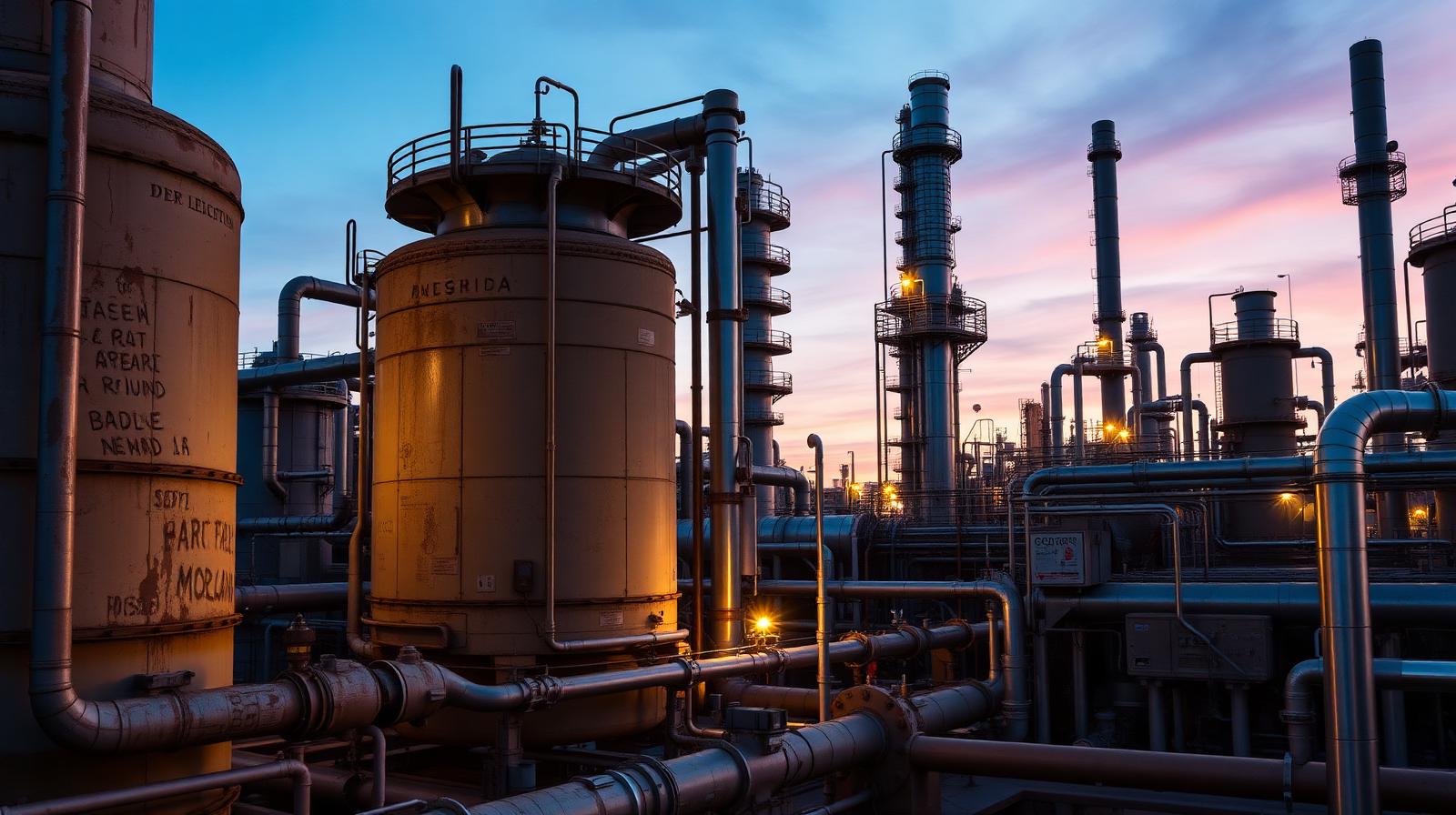
Gulf Coast industrial modernization is no longer a strategic option; it is an operational imperative. There is a number every Gulf Coast operator knows intuitively but rarely calculates precisely: how much their aging equipment is actually costing them. Not the maintenance invoice from last quarter. The full number, of downtime, compliance risks, lost bids, talent friction, deferred capital, and the compounding cost of decisions delayed.
Gulf Coast industrial modernization is most urgently needed among the region's most established operators across Alabama, Louisiana, Mississippi, and the broader energy corridor. These businesses are often the most experienced, most relationship-rich operators in their markets. They have survived downturns, navigated regulatory shifts, and built reputations that new entrants cannot replicate overnight. But reputation and relationships only carry so much weight when your cost structure is eroding from the inside.
The question is not whether to modernize. It is how to do it without disrupting the operations that are keeping the lights on.
What 'Aging Equipment' Actually Means in an Industrial Context
When operators talk about aging equipment, they usually mean assets that are past their engineered service life or systems that were designed for a regulatory and operational environment that no longer exists. Both categories carry real risk, but the second one is often underestimated.
A pressure vessel that was fabricated in 1998 and maintained well can still perform reliably. But if it was designed to meet permit conditions that have since been superseded by stricter EPA standards, its compliance profile is now a liability regardless of its mechanical condition. The equipment is not failing, the environment around it has changed, and the equipment has not.
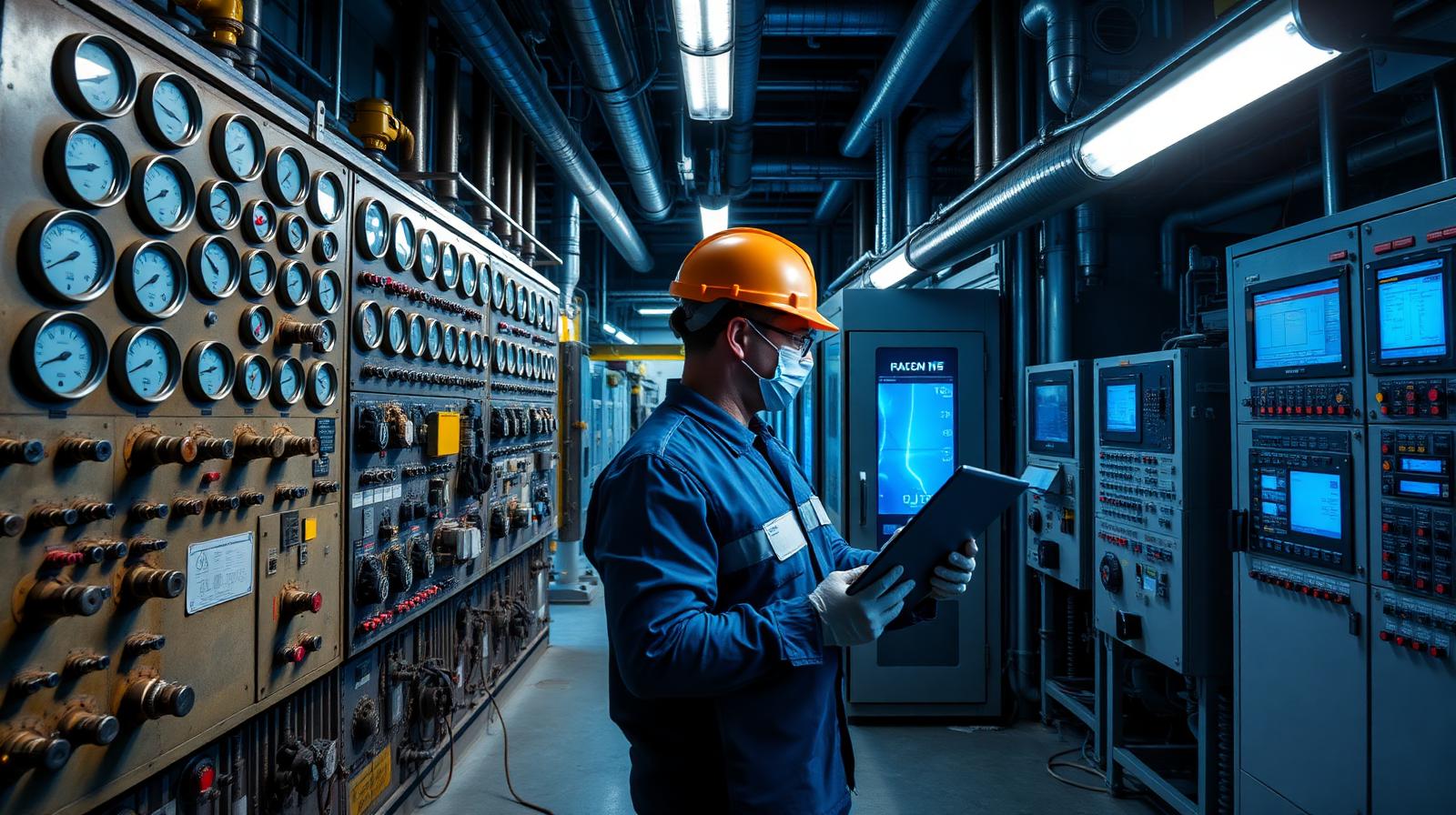
The same logic applies to control systems, combustion equipment, fluid handling infrastructure, and even facility layouts. What was designed for the operational reality of 20 years ago is often mismatched to the demands of today: higher throughput expectations, stricter emissions monitoring, real-time reporting requirements, and workforce models that rely less on veteran institutional knowledge and more on documented systems.
The Five Hidden Costs Operators Stop Accounting For
The maintenance line item is visible. The following five costs tend to disappear into the background, until they do not.
- Reactive Maintenance Premium: Older equipment breaks unpredictably. Every unplanned repair carries a premium, emergency labor rates, expedited parts sourcing, and the cascading cost of unplanned downtime. Over time, the ratio of reactive to planned spend quietly worsens until it becomes a crisis.
- Compliance Buffer Spending: Operators running equipment near the edge of permit compliance often build invisible buffer costs into their operations, additional monitoring, more frequent inspections, third-party audits, and legal review that would not be necessary with modern, purpose-built systems.
- Bid Exclusions and Lost Contracts: Larger energy companies and municipalities increasingly include equipment age, certification status, and emissions compliance documentation in their vendor qualification requirements. Operators with aging or non-compliant equipment are quietly screened out before they ever get to price.
- Workforce and Knowledge Risk: Many Gulf Coast industrial businesses have experienced operators who carry critical system knowledge in their heads rather than in documented processes. When those operators retire, the knowledge walks out the door. Modern systems with digital controls and integrated monitoring reduce that dependency.
- Valuation Discount at Exit: For founder-led or family-owned businesses considering a future transition, sale, partnership, or recapitalization, equipment age and operational modernization directly affect enterprise value. Buyers and investors apply significant discounts to businesses with aging infrastructure and undocumented processes.
Why Gulf Coast Operators Delay, and Why That Logic Is Breaking Down
The decision to delay modernization is rarely reckless. It usually follows a rational logic: the equipment is still running, the capital required for upgrades is substantial, and the disruption to ongoing operations feels like a bigger risk than the status quo.
That logic made more sense when regulatory pressure was lighter, when labor markets were more stable, and when the competitive landscape moved more slowly. Each of those conditions has changed materially in the past five years. EPA enforcement along the Gulf Coast has intensified, particularly around VOC emissions and methane capture requirements in oil and gas operations. Labor markets have tightened. And the competitive landscape has shifted as better-capitalized operators, many of them backed by private equity or infrastructure funds, have modernized aggressively and are now competing for contracts that legacy operators once considered theirs by default.
What a Modernization Approach Actually Looks Like
The word "modernization" can sound like a wholesale replacement. That is rarely how it works in practice, and it is not how CREATE Industries approaches it. Effective industrial modernization starts with an honest operational assessment, then sequences the work around continuity. For Gulf Coast operators, this often means:
- Replacing aging combustion and emissions control systems with purpose-built, permit-compliant alternatives.
- Upgrading control and monitoring infrastructure for real-time visibility into system performance and compliance status.
- Documenting operational processes and system specifications to reduce dependency on individual knowledge holders.
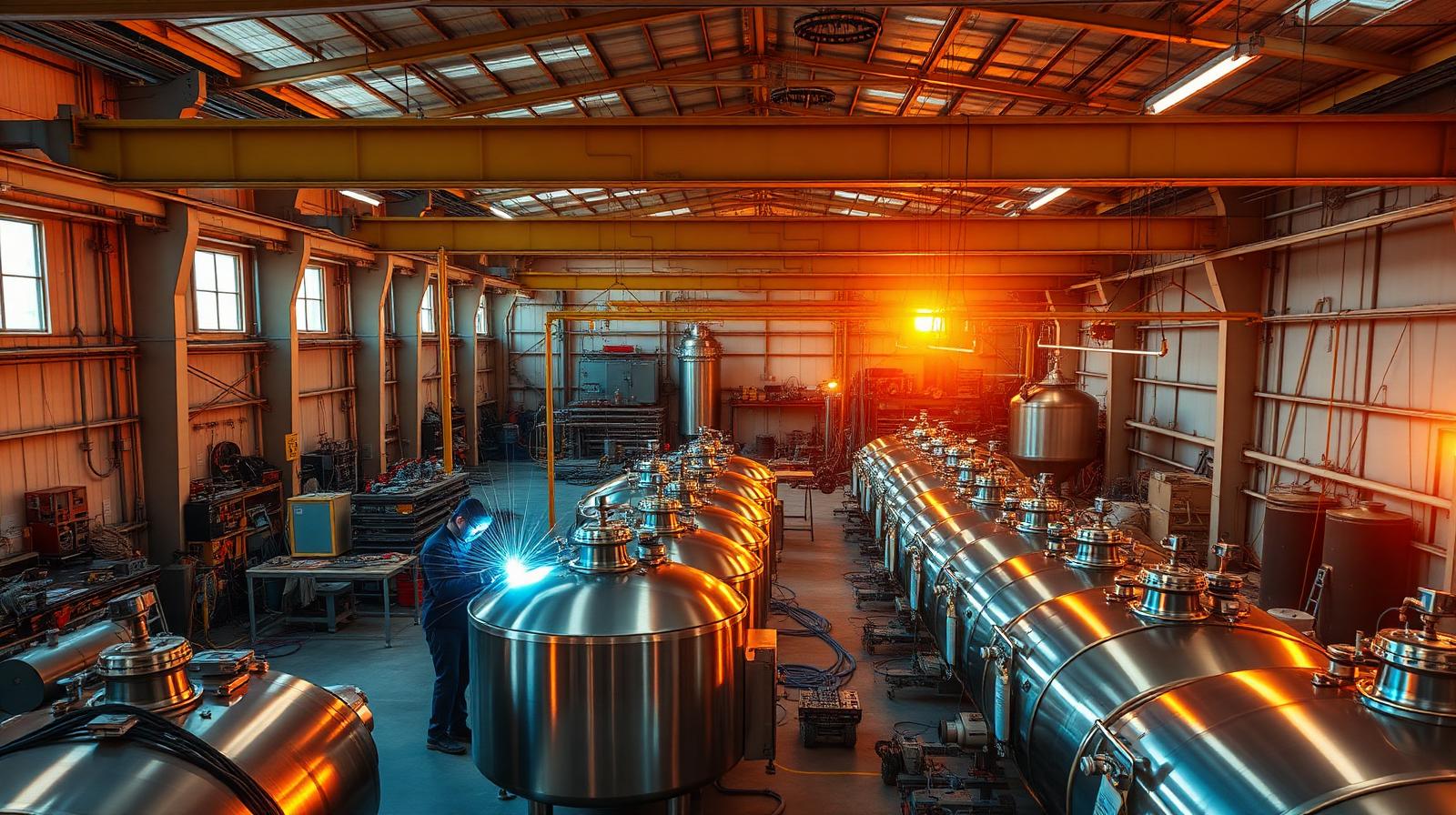
- Reconfiguring fabrication and maintenance workflows to reduce reactive spend and improve planned maintenance ratios.
- Positioning the business operationally and financially for growth, partnership, or transition on favorable terms.
None of this happens overnight. But the operators who begin the process now will be in a fundamentally different competitive position in three years than those who continue to defer.
The Cost of Waiting One More Year
Add up the reactive maintenance premium over 12 months. Estimate the contracts lost due to qualification gaps. Factor in the compliance buffer spending, the audits, the extra monitoring, and the legal review. Consider depreciation on assets declining in value faster than they are generating return. And project the enterprise valuation discount if a transition opportunity emerges unexpectedly.
For most established Gulf Coast operators, that number is not small, and it compounds. Every year of delay means a larger modernization gap to close, a larger valuation discount to overcome, and a smaller window to capture the operational benefits before competitive pressure forces the issue.
Gulf Coast Industrial Modernization Starts Now
CREATE Industries is not a consulting firm that delivers recommendations and moves on. We are an operator-led platform that works alongside industrial businesses to execute modernization in the real world, with all the complexity, constraint, and operational continuity requirements that entails. We bring engineering capability, fabrication infrastructure, and field execution experience to every engagement.
The Gulf Coast has built too many great industrial businesses to let them erode from the inside out. Modernization is how you protect what you have built and position it to grow.
Frequently Asked Questions
What does 'aging equipment' actually mean for Gulf Coast operators?
It means assets that are past their engineered service life or systems that were designed for a regulatory and operational environment that no longer exists. Even mechanically functional equipment can become a compliance liability when permit conditions, monitoring requirements, or throughput expectations have shifted around it.
What hidden costs come with delaying Gulf Coast industrial modernization?
Reactive maintenance premiums, compliance buffer spending, lost bids due to vendor qualification gaps, workforce and institutional knowledge risk, and a valuation discount at exit. These costs rarely appear on a single line item but compound year over year across operating margins and enterprise value.
Do operators have to shut down to modernize?
No. Effective modernization is sequenced around operational continuity. CREATE Industries phases combustion, controls, monitoring, and documentation upgrades so the facility keeps running while higher-risk systems are replaced or rebuilt.
How is Gulf Coast industrial modernization different today than five years ago?
EPA enforcement around VOC and methane has intensified, labor markets have tightened, and better-capitalized competitors are modernizing aggressively. Delays that were rational five years ago now show up as bid losses, compliance notices, and unfavorable insurance reviews.
Why does modernization matter to founder-led and family-owned operators?
Equipment age, deferred capital expenditures, and undocumented processes directly reduce enterprise value at sale, partnership, or recapitalization. Modernizing before a transition typically recovers a meaningful portion of that valuation discount.
How does CREATE Industries approach modernization?
CREATE Industries is operator-led, not advisory. We bring engineering, custom fabrication, and field execution to every engagement, sequence the work around operational continuity, and partner with leadership on the strategic arc, growth, succession, or recapitalization.
Calculate the Real Cost of Aging Equipment
CREATE Industries helps Gulf Coast operators upgrade, comply, and grow, without shutting down the operations keeping the lights on.
Start a Conversation