Gulf Coast Industrial Modernization & Legacy Equipment Upgrades: What Alabama Operators Need to Know
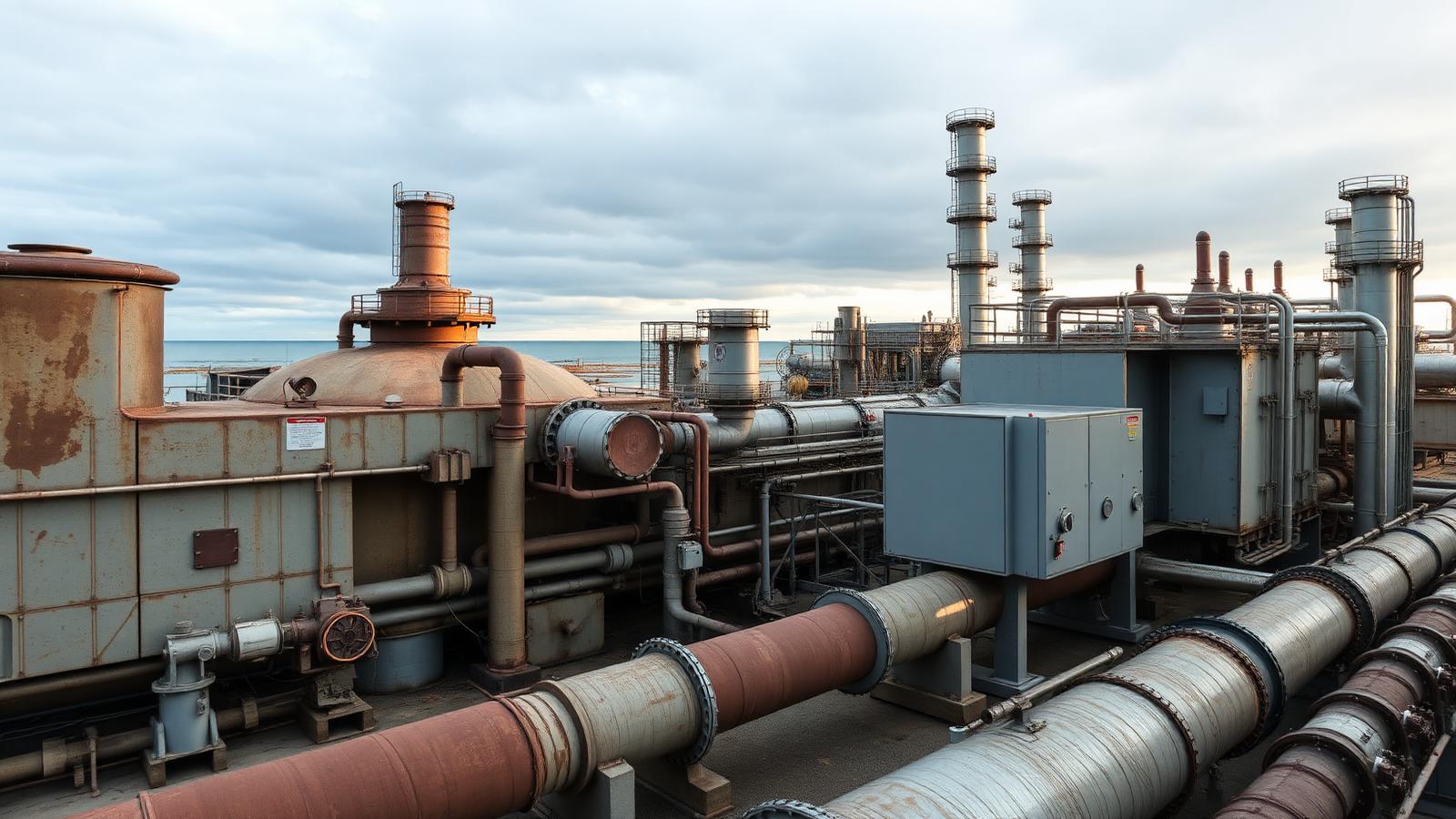
Running aging industrial equipment on the Gulf Coast isn't just an operational inconvenience; it's a compounding liability. Every year a legacy system stays in service past its effective life, it costs more to maintain, performs less reliably, creates greater compliance exposure, and falls further behind the efficiency standards your competitors are hitting with modern equipment. Alabama industrial operators who have been deferring modernization decisions are increasingly finding that the cost of inaction now exceeds the cost of upgrading.
This guide is for facility managers and plant operators who want a realistic look at what Gulf Coast industrial modernization actually involves, what it costs, and how to approach it without shutting your facility down.
The Hidden Cost of Running Legacy Equipment
The most dangerous thing about aging industrial equipment is that it rarely fails all at once. It degrades gradually, and the costs accumulate in ways that don't always show up clearly on a single line item. Maintenance spend creeps up year over year. Unplanned downtime becomes more frequent. Energy consumption increases as efficiency drops. Replacement parts become harder to source and more expensive when you find them. Operator workarounds become normalized, masking performance gaps that would be obvious if the equipment were benchmarked against modern alternatives.
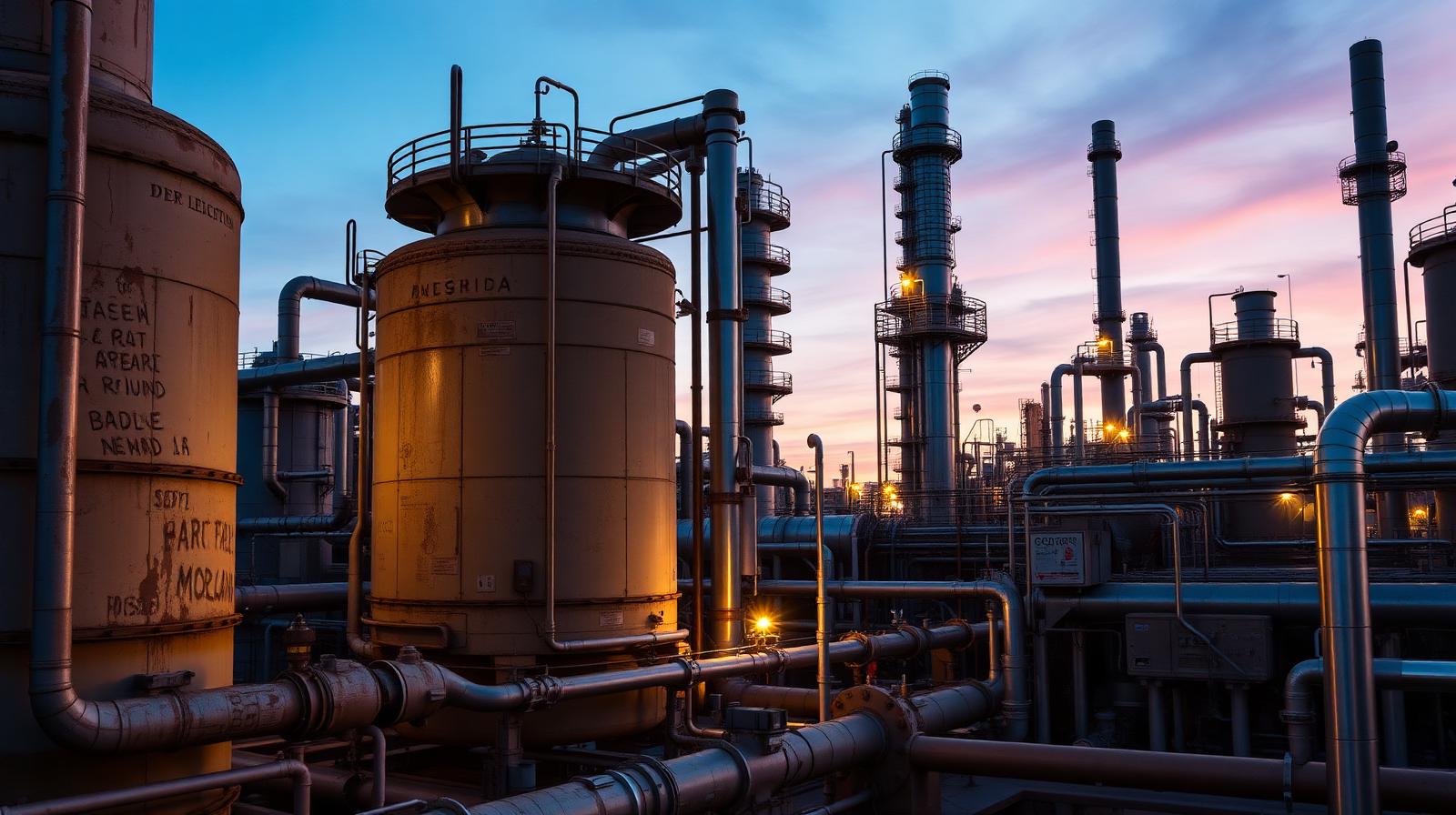
For Gulf Coast facilities, these costs are amplified by the environment. Salt air, humidity, and thermal cycling accelerate the degradation of mechanical components, electrical systems, insulation, and structural elements. Equipment that might have a 25-year service life in a controlled inland environment may reach its practical end of life in 15 to 18 years when it's operating next to Mobile Bay. Facilities that are still running systems installed in the early 2000s are, in many cases, operating equipment that is well past the point where the economics of continued maintenance make sense compared to a properly engineered replacement.
The compliance dimension adds another layer of urgency. Older systems were designed and permitted to older standards. As EPA and ADEM have tightened requirements, particularly around VOC emissions, HAP destruction efficiency, and continuous monitoring of legacy equipment that was fully compliant when it was installed, it may now be operating in a compliance gray zone that creates real regulatory exposure. A facility that hasn't done a systematic review of its older emissions control equipment against current permit requirements may be carrying a compliance risk it isn't aware of.
What Industrial Modernization Actually Looks Like
Modernization is not synonymous with replacement. For most Gulf Coast industrial facilities, the most practical and cost-effective path forward is a phased modernization strategy that upgrades systems selectively, prioritizing the equipment where the operational and compliance risk is highest and where the return on investment is clearest.
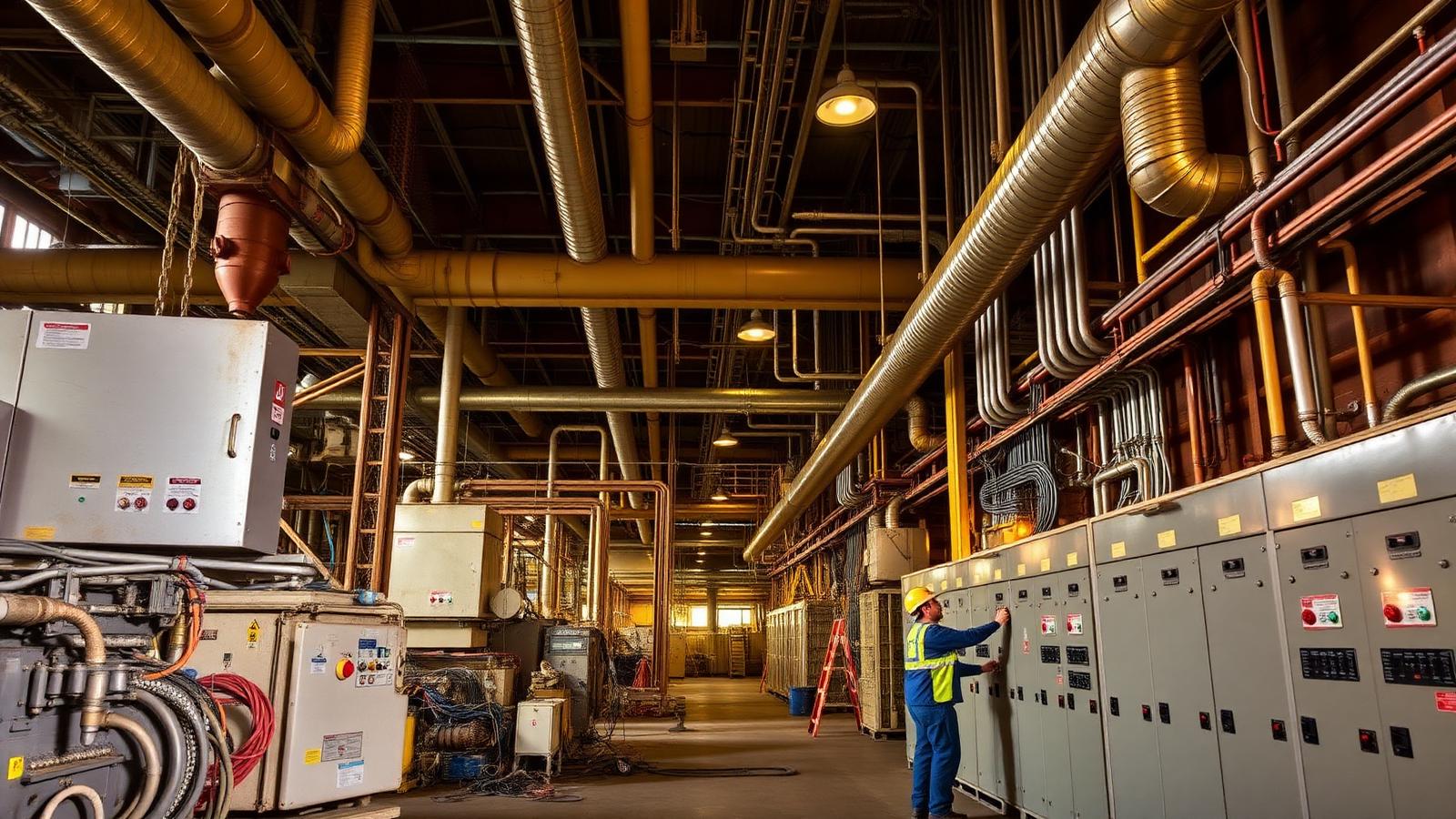
Control system upgrades are often the highest-leverage starting point. Replacing outdated PLCs, upgrading to modern SCADA platforms, and integrating real-time monitoring and remote diagnostics can dramatically improve operational visibility and control without requiring physical replacement of the underlying process equipment. A thermal oxidizer or flare system that's mechanically sound but running on a 20-year-old control system can often be brought to near-modern performance levels with a controls upgrade at a fraction of the cost of full replacement.
Gulf Coast-Specific Modernization Challenges
Modernizing industrial equipment on the Gulf Coast comes with challenges that inland facilities don't face to the same degree. The physical environment creates complications at every stage of a modernization project from engineering and fabrication through installation and commissioning.
Hurricane season scheduling is a real constraint. Major equipment installations that require facility downtime need to be planned around storm season, which limits the available window for significant construction work. Facilities that try to compress modernization timelines without accounting for weather risk often find themselves in difficult situations when a tropical system disrupts an active project.
- Salt air and humidity: Materials selection, coatings, and insulation specifications all need to be Gulf Coast-appropriate, not inland-default.
- Hurricane season scheduling: Major installations should be sequenced around the June-to-November storm window.
- Permit modification timelines: ADEM modifications for replaced emissions control equipment require lead time built into the project schedule.
- Tie-in complexity: Aging utilities, undocumented modifications, and field changes from decades ago routinely surface during installation.
Building the Business Case for Modernization
The practical obstacle to modernization at many Gulf Coast facilities isn't a lack of awareness that equipment is aging; it's the difficulty of building a compelling internal business case that competes successfully for capital against other facility priorities.
Total cost of ownership analysis is the most persuasive tool. When you add up the annual maintenance cost of legacy equipment, the production losses from downtime, the energy cost premium from reduced efficiency, and the compliance risk exposure, the number is almost always larger than leadership expects. Comparing that number against the annualized cost of a replacement system, including capital, installation, and expected maintenance, often shows a payback period that's much shorter than anticipated.
Phased implementation reduces the capital barrier. A modernization program that's structured as a three-to-five-year plan with defined milestones and capital requirements at each phase is a much easier organizational sell than a large single-year capital request. It also allows facilities to sequence upgrades in a way that captures the highest-priority benefits first while spreading the investment over time.
How CREATE Industries Approaches Modernization Projects
Our approach to industrial modernization starts with an honest assessment of what you have. We come to your facility, evaluate your existing equipment, review your operating data and maintenance history, and give you a clear picture of where your systems stand mechanically, operationally, and from a compliance standpoint. We're not trying to sell you a replacement system if rehabilitation makes more sense. And we're not going to tell you your equipment is fine if the data says otherwise.
From that assessment, we develop a modernization roadmap that prioritizes interventions by risk, return, and feasibility. Some clients want to move fast; others need a longer timeline to align capital availability. We design the program around your operational and financial realities, not around our project calendar.
Frequently Asked Questions
How do I know when aging equipment has crossed the line from maintainable to needing replacement?
Rising maintenance costs, increasing unplanned downtime, parts scarcity, falling efficiency, and emerging compliance issues are the clearest signs that legacy equipment has crossed from maintainable to needing replacement.
Can modernization work be done without shutting down facility operations?
Many modernization upgrades, including controls, monitoring, and select mechanical replacements, can be completed with little to no operational downtime when properly engineered and sequenced.
Does replacing permitted emissions control equipment require a new ADEM permit?
Most emissions control equipment replacements require an ADEM permit modification. The scope of the modification depends on the source category and whether the new equipment changes the permitted emission rate or control method.
What's a realistic payback period for industrial modernization investments on the Gulf Coast?
Industrial modernization projects on the Gulf Coast typically deliver payback within three to seven years when total cost of ownership, downtime avoidance, energy savings, and compliance risk reduction are all accounted for.
Does CREATE Industries handle both the engineering and the physical installation of modernization projects?
Yes. CREATE Industries manages engineering, fabrication, and installation under one integrated team, so Gulf Coast operators get a single point of accountability from assessment through commissioning.
Conclusion
Gulf Coast industrial modernization is one of the most consequential decisions Alabama facility operators face, and it's one where getting the strategy right matters enormously. The facilities that approach modernization proactively with a clear-eyed assessment of where they stand and a phased plan for getting where they need to be come out ahead on costs, compliance, and operational performance. The ones that wait typically find that the decision gets made for them, either by a system failure or a regulatory action, neither of which is an ideal way to initiate a capital project.
CREATE Industries works with Gulf Coast industrial operators to assess, plan, and execute equipment modernization programs that are practical, cost-effective, and built for the conditions your facility actually operates in.
Planning a Modernization Project?
Schedule a facility assessment with CREATE Industries and get a clear, honest picture of where your equipment stands and what a phased upgrade path looks like.
Schedule an Assessment