The Hidden Cost of Running a Gulf Coast Industrial Business the Old Way
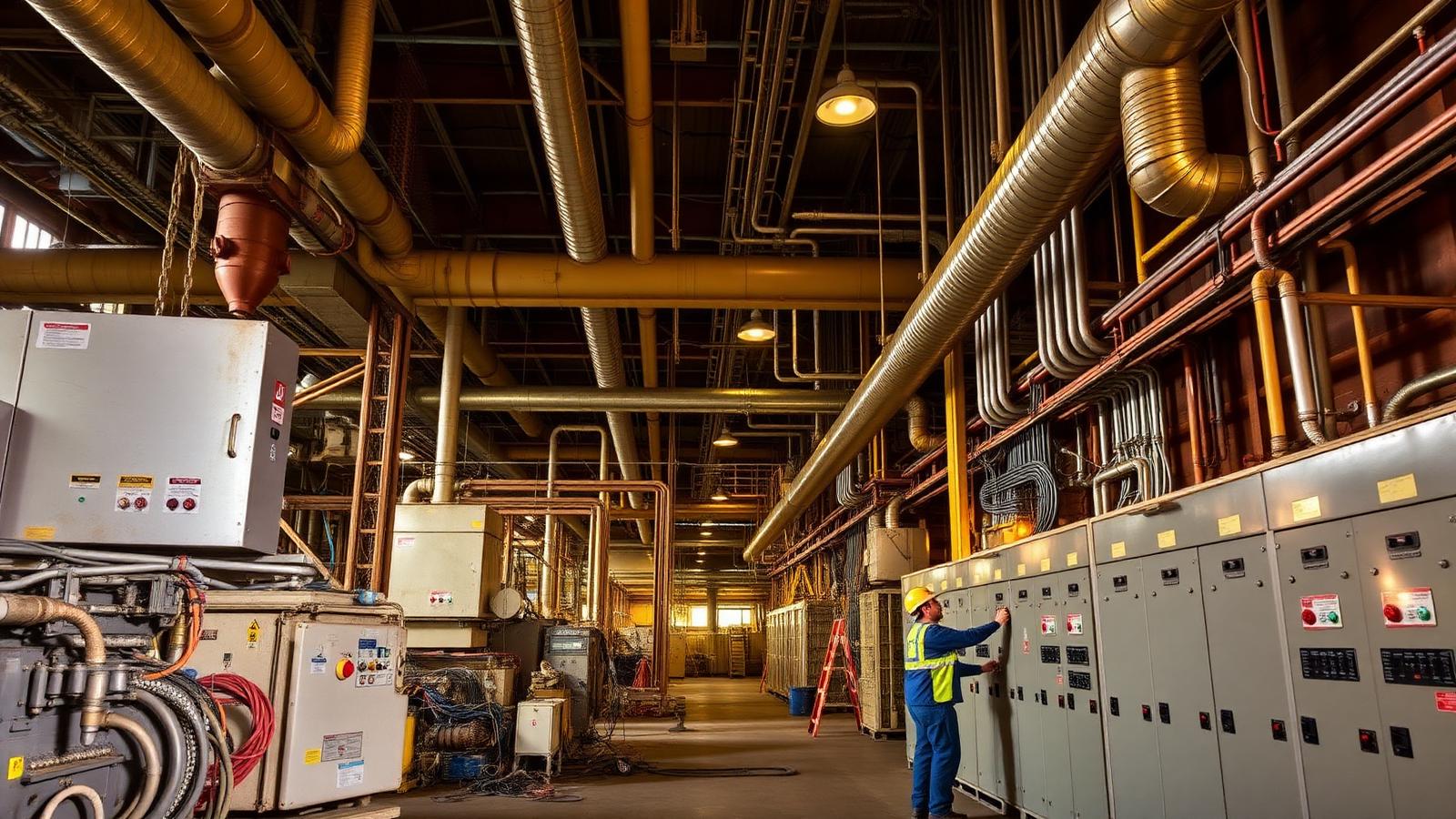
There is a specific kind of industrial business that has been a fixture on the Gulf Coast for decades. The equipment runs. The people know every quirk of every system. The processes are deeply embedded in how the company operates, and changing them feels risky, expensive, and complicated.
The problem is not that these businesses are failing. It is that they are quietly falling behind. And in today's industrial landscape, the gap between where they are and where the market is heading grows a little wider every year.
What "Legacy" Actually Means in Gulf Coast Industrial Operations
Common signs of a legacy industrial operation:
- Manual processes where automation is available: tasks still performed by hand that modern systems handle automatically
- Disconnected data systems: operational data living in paper logs, spreadsheets, or isolated software
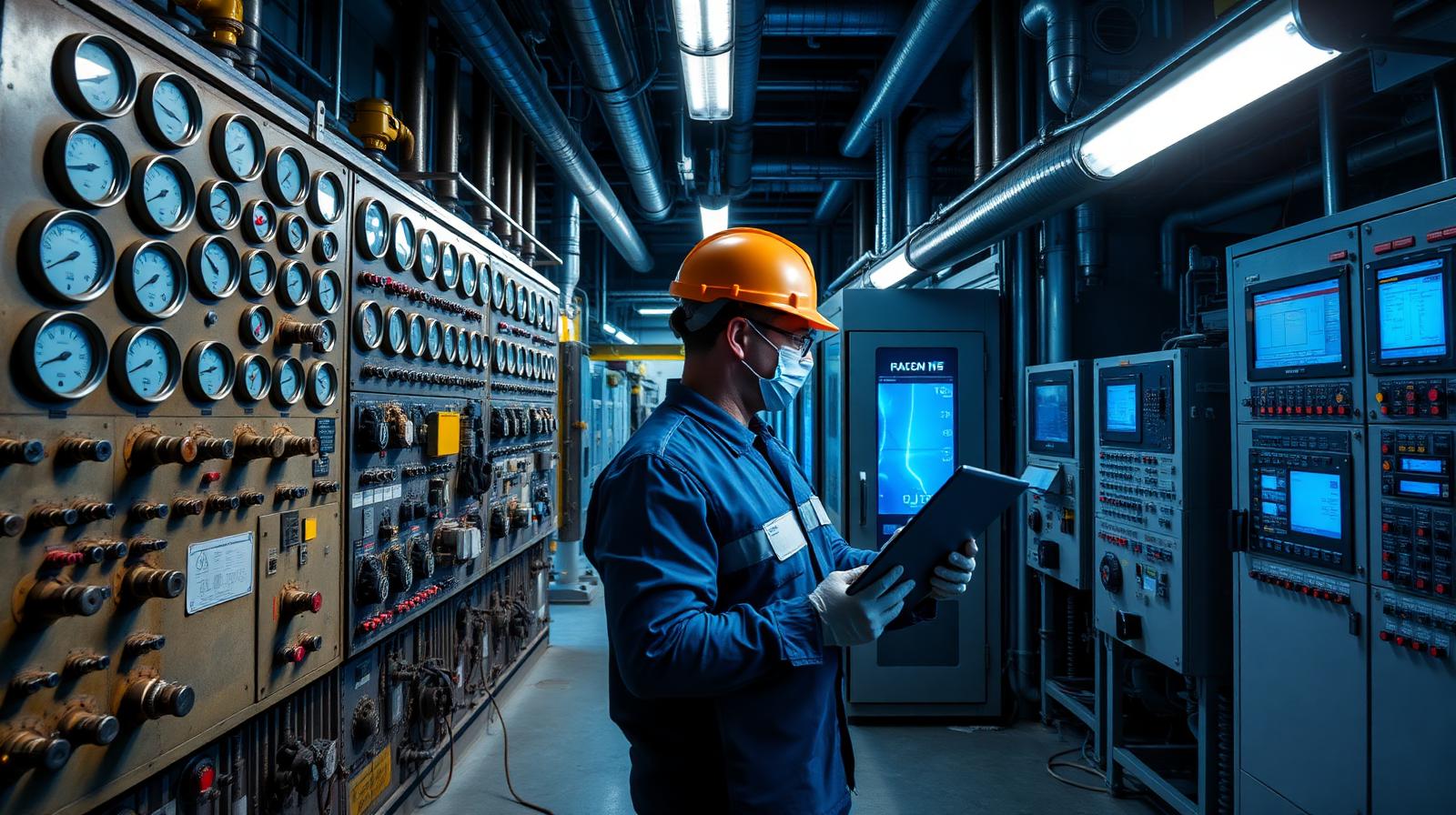
- Aging controls infrastructure: PLCs, HMIs, and electrical systems running on hardware that is no longer supported
- Reactive maintenance culture: equipment repaired after failure rather than maintained to prevent it
- Limited visibility into operations: managers making decisions without real-time production or equipment data
- Workforce knowledge concentrated in individuals: critical knowledge residing in long-tenured employees rather than documented systems
The Real Cost of Staying the Same
The hidden costs of legacy operations:
- Labor inefficiency: manual processes that automation could handle in a fraction of the time
- Higher maintenance expense: reactive maintenance consistently costs more than preventive programs
- Lost contract opportunities: larger customers increasingly require operational certifications that legacy businesses lack
- Recruitment challenges: skilled workers favor employers with modern tools and systems
- Energy waste: older equipment consuming more power and fuel than modern equivalents
- Slower response to market changes: manual and disconnected systems make it harder to adapt quickly
CREATE Industries' Approach to Business Modernization
CREATE Industries was founded with a clear conviction: American industrial businesses have the foundation to compete and grow, but they often lack the specific capabilities needed to modernize effectively on their own.
The Industrial Ecosystem
CREATE operates an ecosystem of industrial companies that share capabilities, resources, and operational knowledge. When a legacy business joins this ecosystem, it gains access to engineering depth, manufacturing capability, and automation expertise that would be prohibitively expensive to build internally.
- Access to shared engineering and design resources
- Procurement advantages through combined purchasing power
- Operational best practices drawn from across the portfolio
- Cross-portfolio business development opportunities
The Innovation Fund
For Gulf Coast businesses that need capital alongside capability, CREATE's innovation accelerator invests directly in existing companies to fund modernization initiatives. Typical investments include:
- Automated manufacturing and packaging systems
- Warehouse management and logistics automation
- Controls infrastructure upgrades and electrification
- AI-powered monitoring and predictive maintenance systems
- ERP and operational data systems integration
Hands-On Implementation
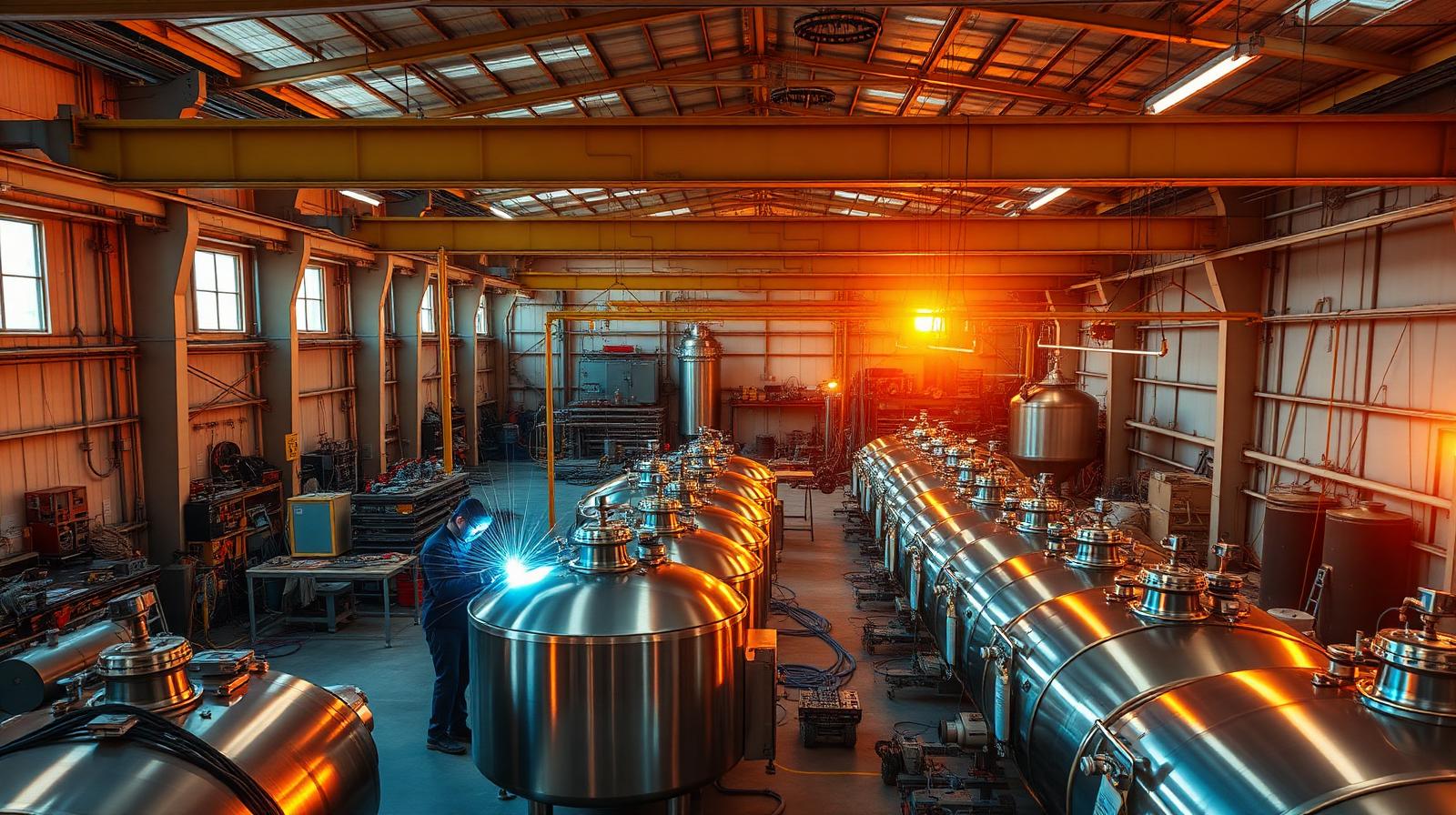
Unlike advisors who deliver recommendations and move on, CREATE's team implements the solutions they design, with electrical, fabrication, automation, and controls capability all in-house.
What Modernization Actually Looks Like in Practice
A practical modernization roadmap:
- Operational assessment: identifying the highest-value improvement opportunities
- Controls and data infrastructure: establishing real-time visibility across operations
- Process automation: replacing manual tasks with automated systems where ROI justifies it
- Maintenance program development: transitioning from reactive to preventive and predictive maintenance
- Workforce integration: training teams on new systems and documenting operational knowledge
- Performance measurement: establishing KPIs that track the return on modernization investment
The Gulf Coast Businesses That Modernize Will Lead Their Markets
Legacy businesses that modernize do not just cut costs. They become better employers, more attractive acquisition targets, and more capable of winning the larger contracts that drive real growth.
What Gulf Coast operators get when they work with CREATE:
- Direct capital investment alongside operational expertise
- Implementation capability, not just recommendations
- Regional knowledge of Gulf Coast operating conditions and supply chains
- A long-term partnership orientation, not a transactional vendor relationship
Frequently Asked Questions
What is legacy industrial business modernization?
It is the process of upgrading outdated equipment, systems, and processes in an established industrial operation to meet current performance and competitive standards, typically combining automation, controls infrastructure, data integration, and preventive maintenance programs.
How do I know if my Gulf Coast industrial business needs modernization?
If your facility relies on manual processes, reactive maintenance, paper-based data tracking, or aging controls hardware, modernization is likely overdue. Other signals: rising energy costs, lost contract opportunities due to missing certifications, and difficulty recruiting skilled workers.
How much does industrial modernization cost?
Targeted projects typically range from $50,000 to $300,000. Broader facility-wide programs can scale higher depending on scope and systems involved. CREATE's innovation accelerator can also invest capital directly alongside the engineering work when that is the better path.
How long does industrial modernization take?
A targeted automation upgrade takes 3 to 6 months. A full facility modernization program typically runs 12 to 36 months, depending on scale and how many phases are required to avoid disrupting production.
Will modernization disrupt our current operations?
No. CREATE Industries phases every implementation around your production schedule so operations keep running while improvements are made incrementally, engineering and fabricating off-site where possible and commissioning in planned windows.
What makes CREATE's approach different from a typical consultant?
CREATE implements what it designs. Engineering, fabrication, electrical, automation, and controls capability are all in-house, and the innovation accelerator can invest capital alongside the operational work, so you get a partner that is accountable from recommendation through go-live, not an advisor that hands off and leaves.
Modernize Without Losing What Works
CREATE Industries combines capital, engineering, and implementation capability to modernize Gulf Coast industrial businesses, without shutting down what is already working.
Start the Conversation