RTO vs RCO vs Flare: Choosing the Right VOC Abatement Technology for Your Facility
Key Takeaways
- Regenerative thermal oxidizers, regenerative catalytic oxidizers, and flares all destroy VOCs and HAPs, but they fit very different flow rates, concentrations, and fuel economics.
- An RTO generally offers the best fuel efficiency at moderate to high flow with variable VOC loading, using ceramic media to recover heat.
- An RCO can hit strong destruction efficiency at lower operating temperatures using a catalyst, which cuts fuel use further, but is more sensitive to catalyst poisoning.
- A flare remains the right choice for high-volume, intermittent, or emergency relief streams where enclosed combustion is impractical.
- Picking the wrong technology for the actual stream is the single most common reason abatement systems underperform their permit basis.
Three Technologies, One Job, Different Fit
Regenerative thermal oxidizers, regenerative catalytic oxidizers, and flares all exist to destroy volatile organic compounds and hazardous air pollutants before they reach the atmosphere. Facilities across North America default to whichever technology is most familiar in their sector, but the right choice depends on stream characteristics, flow rate, VOC concentration and variability, and available fuel infrastructure, more than on habit or industry convention.
Choosing the wrong technology for a given stream does not usually cause an outright failure to meet permit limits. More often it shows up as an abatement system that technically works but costs far more in fuel or maintenance than it should, or one that struggles to hold destruction efficiency when the process stream varies more than expected.
Regenerative Thermal Oxidizers: Efficiency Through Heat Recovery
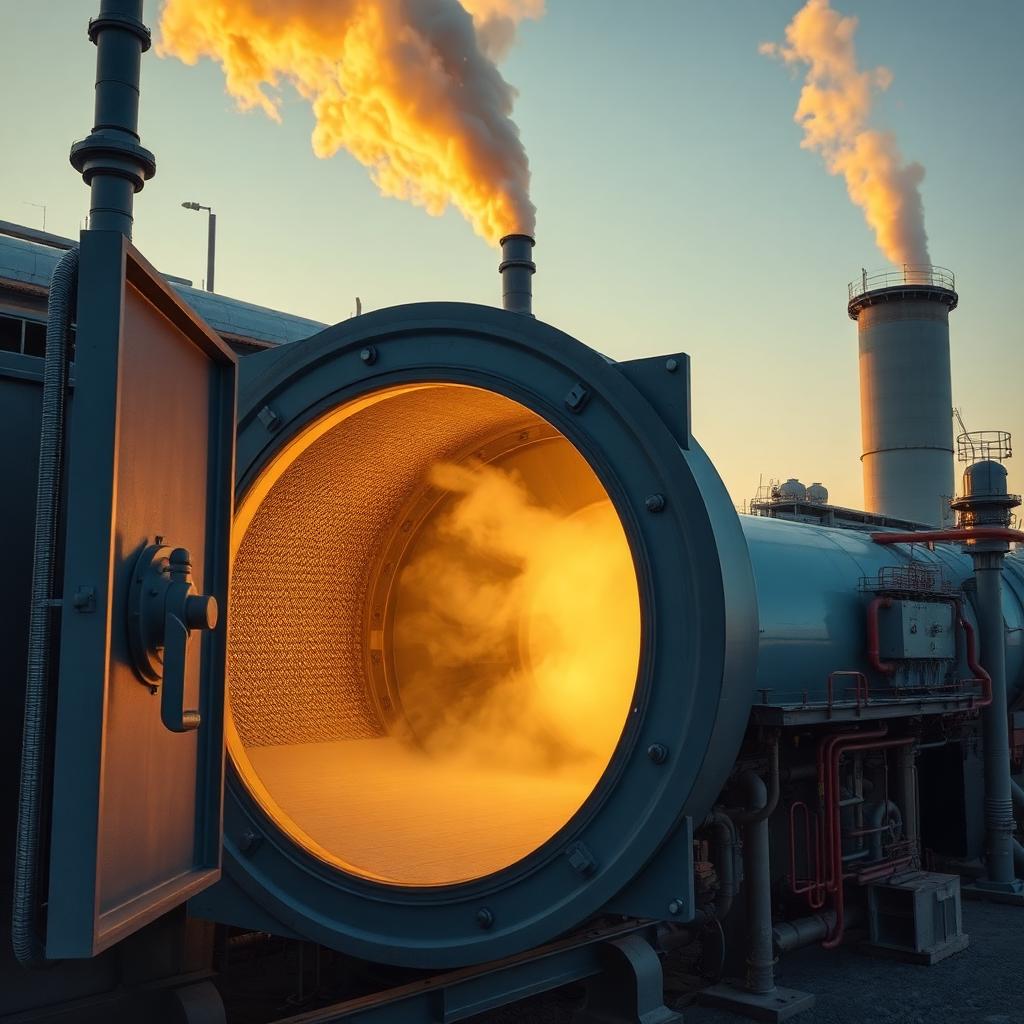
An RTO destroys VOCs through high-temperature combustion, using beds of ceramic saddle media to capture and reuse heat from outgoing exhaust to preheat incoming gas. That heat recovery is what makes an RTO economical at moderate to high flow rates, and it handles variable VOC concentration well, since the combustion chamber temperature is actively maintained regardless of loading. The tradeoff is that RTO performance is directly tied to media condition and burner sizing, and degraded media quietly drives up fuel use long before destruction efficiency itself becomes a compliance issue.
Regenerative Catalytic Oxidizers: Lower Temperature, More Sensitivity
An RCO achieves destruction using a catalyst bed that allows oxidation to occur at meaningfully lower temperatures than an RTO requires, which reduces fuel consumption further in the right application. That efficiency comes with a tradeoff: catalysts are sensitive to poisoning from certain compounds, particulate, and silicones, and a poisoned or fouled catalyst loses activity gradually, which can erode destruction efficiency in a way that looks, from the control room, very similar to normal operation until outlet readings drift. RCOs tend to fit best on streams with well-characterized, relatively consistent composition where catalyst life can be reasonably predicted and managed.
Flares: Built for Volume and Variability
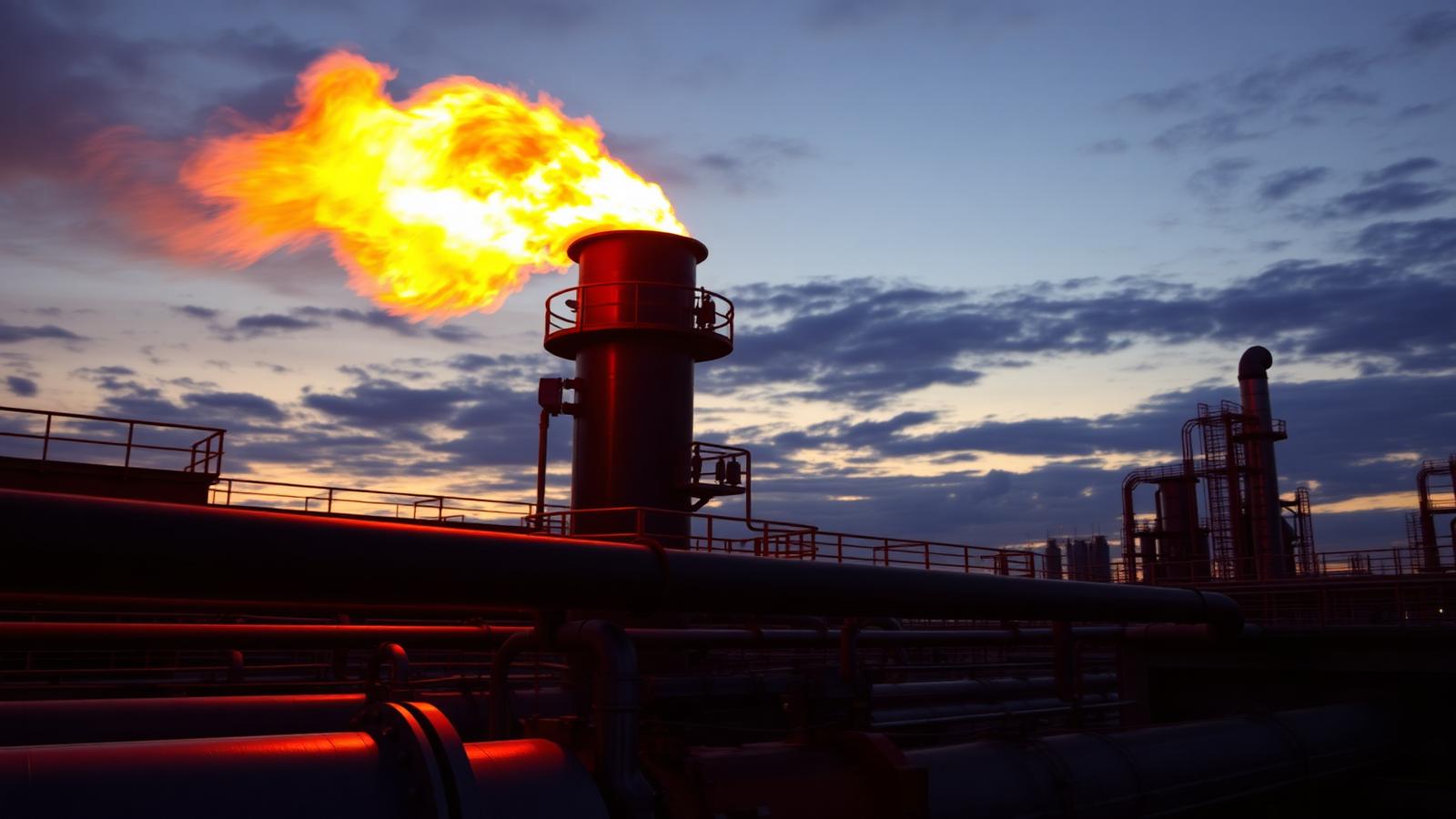
A flare handles high-volume, highly variable, or intermittent streams that neither an RTO nor an RCO is designed for, including emergency relief and upset conditions where enclosed combustion capacity would be impractical to size for. The tradeoff is that flares operate in open air, which makes destruction efficiency more sensitive to pilot reliability, exit velocity, and heating value than either enclosed technology, and increasingly draws the kind of continuous monitoring scrutiny discussed in current methane-focused regulation across the U.S. and Canada.
Matching Technology to Stream: A Practical Framework
The decision usually comes down to a handful of stream characteristics evaluated together rather than any single factor.
- Flow rate and variability. Steady, moderate to high flow tends to favor an RTO; highly variable or intermittent high-volume streams tend to favor a flare.
- VOC concentration and composition. Well-characterized, consistent streams free of catalyst poisons open the door to an RCO's fuel savings; more variable or contaminated streams favor an RTO's tolerance for change.
- Available fuel infrastructure. Sites with reliable low-cost fuel gas access can support the flare's simpler design, while fuel-constrained sites benefit more from an RTO or RCO's heat recovery.
- Maintenance capability. Catalyst monitoring and replacement requires a different maintenance discipline than ceramic media inspection, and staffing and access should factor into the decision, not just capital cost.
- Permit basis. The destruction efficiency the permit requires, and the compliance monitoring method tied to it, should be confirmed against each technology's real-world performance profile before committing.
The Cost of Getting the Match Wrong
An RCO installed on a stream with catalyst-poisoning contaminants will show declining destruction efficiency that is hard to diagnose without specifically checking catalyst activity. An RTO sized for steady flow but subjected to frequent high-volume upsets will run its burner harder than designed, driving up fuel cost. A flare installed where an enclosed device would have qualified for looser monitoring requirements can leave a facility carrying flare-specific compliance obligations it did not need to take on. In each case, the equipment is not defective, it is simply mismatched to the stream it is treating.
Why This Decision Is Consistent Across North America
The combustion and catalytic chemistry behind RTOs, RCOs, and flares works the same way whether the facility is in Texas, Alberta, Ohio, or Ontario. What changes is the specific permit basis and monitoring requirement each jurisdiction's regulator, EPA and state agencies in the U.S., ECCC and provincial authorities in Canada, attaches to whichever technology is selected. Facilities with sites across multiple jurisdictions benefit from applying one consistent selection framework rather than defaulting to whatever technology a given site inherited historically.
CREATE Industries engineers, fabricates, and services RTOs, RCOs, and flare systems for industrial operators across North America, matching abatement technology to actual stream conditions rather than sector convention.
Questions to Answer Before You Choose
A short set of questions clarifies most technology selection decisions.
- What is the actual flow rate range, including upset and startup conditions, not just normal operation?
- How consistent is VOC composition, and does the stream contain any known catalyst poisons?
- What fuel infrastructure and cost is available on site today?
- What maintenance staffing and access exists for ongoing media or catalyst management?
- What does the governing permit actually require in terms of destruction efficiency and monitoring method?
Frequently Asked Questions
What is the main difference between an RTO and an RCO?
An RTO uses high-temperature combustion with ceramic media for heat recovery, while an RCO uses a catalyst to achieve destruction at lower temperatures, generally saving more fuel but requiring closer catalyst management.
When should a facility use a flare instead of an RTO or RCO?
Flares fit high-volume, highly variable, or intermittent streams, including emergency relief service, where enclosed combustion equipment would be impractical to size for.
Can catalyst poisoning happen without an obvious warning sign?
Yes. A poisoned catalyst can lose activity gradually, which often looks like normal operation until outlet VOC readings start to drift upward.
Is one technology always cheaper to operate than the others?
No single technology is universally cheaper. Fuel and maintenance cost depend on how well the technology matches the actual stream's flow, concentration, and variability.
Do permit requirements differ by abatement technology?
Yes. The destruction efficiency threshold and the monitoring method required can vary depending on which technology is installed and which regulator, U.S. or Canadian, governs the site.
Match the Technology to the Stream, Not the Sector.
CREATE Industries engineers, fabricates, and services RTOs, RCOs, and flare systems for industrial operators across the U.S. and Canada, sized against actual stream conditions and permit basis.
Talk to an Engineer