Thermal Oxidizer Services in Alabama: What Gulf Coast Operators Need to Know
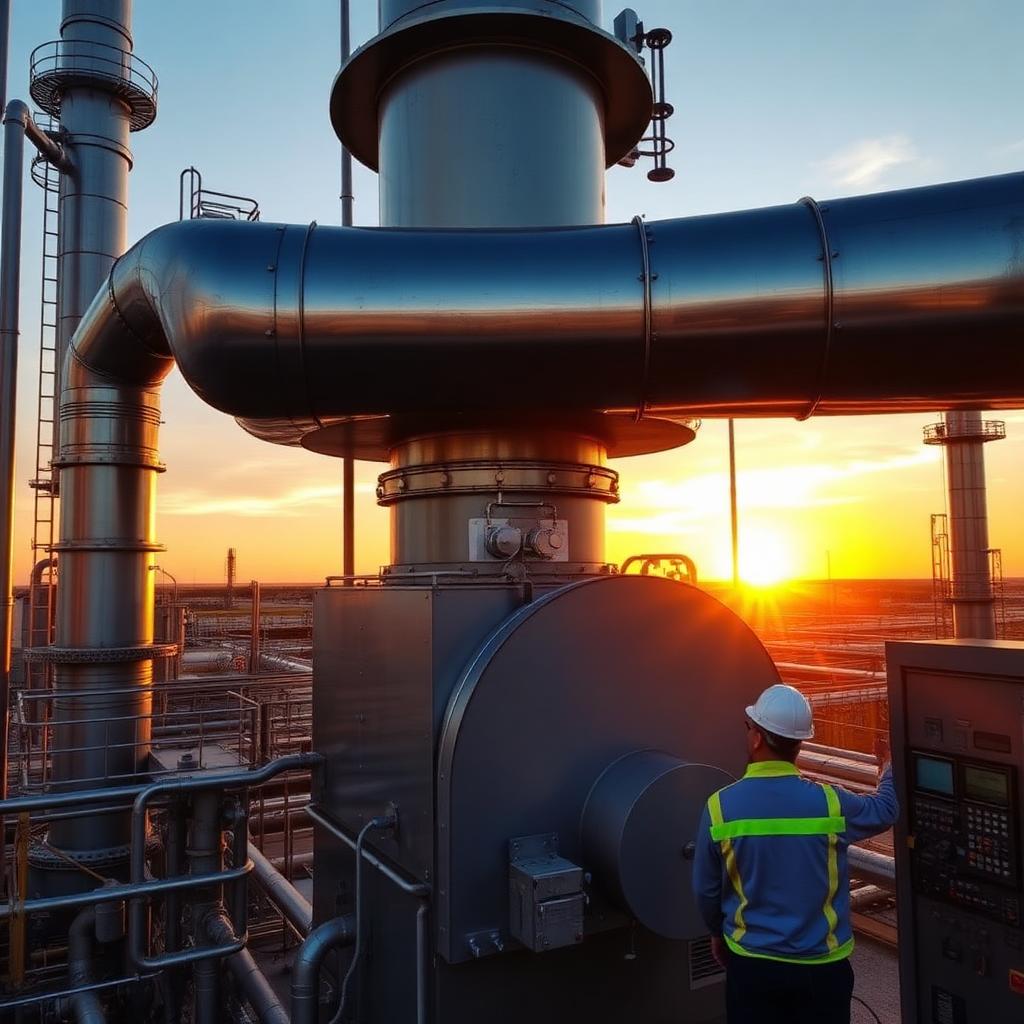
Running an industrial facility on the Gulf Coast means operating under some of the most demanding conditions in the country: extreme humidity, salt air, hurricane exposure, and an increasingly active regulatory environment. Your thermal oxidizer sits at the intersection of all of it. It's the system that keeps your emissions in check, your permits intact, and your facility legally operational. When it's performing well, you barely notice it. When it isn't, everything else stops.
This guide covers what Alabama operators need to know about thermal oxidizer services from routine maintenance to emergency response and why getting this right matters more than most operators realize.
Why Thermal Oxidizers Matter on the Gulf Coast
If you operate an industrial facility anywhere along the Gulf Coast from Mobile, Alabama, to the Texas border, you already know how unforgiving the regulatory environment can be. The EPA has been tightening emissions rules for years, and the Alabama Department of Environmental Management (ADEM) is enforcing those rules with increasing scrutiny. Thermal oxidizers are at the center of that story.
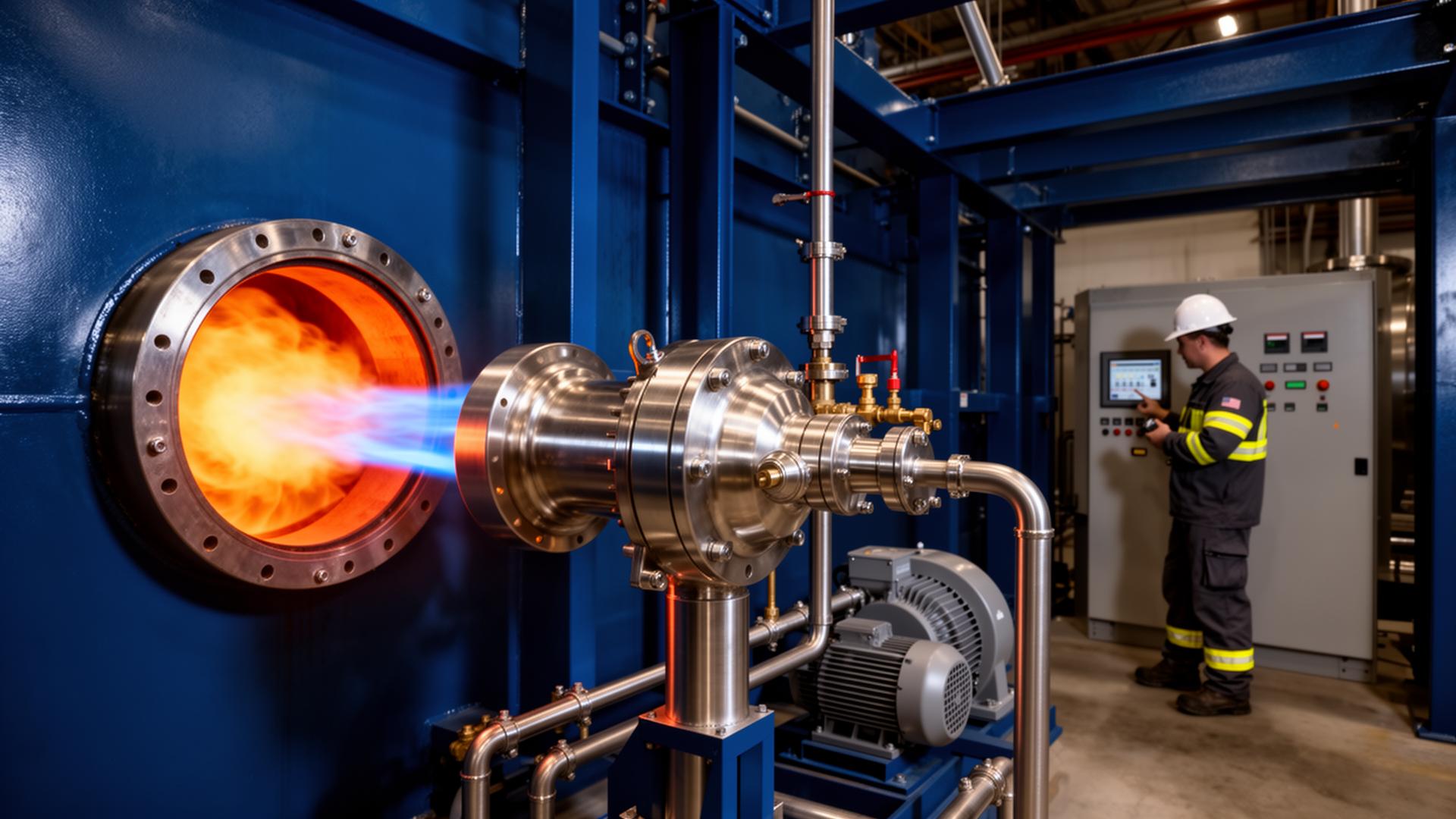
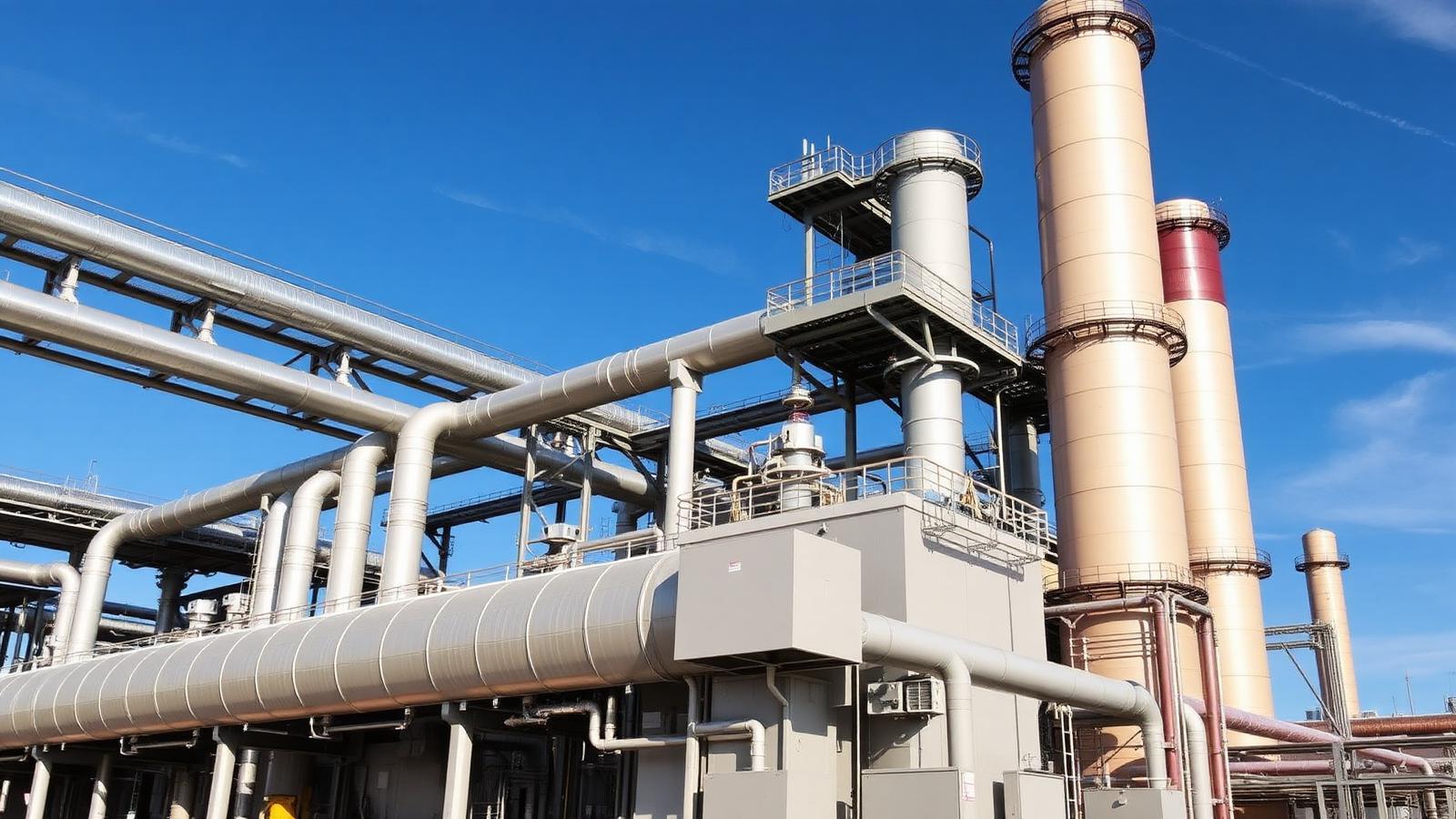
A thermal oxidizer is an air pollution control device that destroys volatile organic compounds (VOCs), hazardous air pollutants (HAPs), and odorous gases through high-temperature combustion. For refineries, chemical plants, landfills, wastewater facilities, and biogas operations across Alabama and the Gulf Coast, these systems aren't optional; they're mission-critical.
The problem is that thermal oxidizers are complex, and when they're not maintained properly, they don't just fail; they create compliance violations, production shutdowns, and sometimes emergency situations. That's where having the right service partner makes all the difference.
What Thermal Oxidizer Services Actually Cover
A lot of operators think "thermal oxidizer service" just means sending a technician out when something breaks. In reality, a comprehensive service program covers the full lifecycle of the system from commissioning to emergency repair and everything in between. At CREATE Industries, our thermal oxidizer services for Alabama and Gulf Coast facilities include:
- Diagnostics and performance assessments: We evaluate your system's current operating efficiency, check burner performance, inspect heat exchangers, and identify compliance risks before they become violations.
- Scheduled preventive maintenance: Replacing worn refractory, cleaning heat recovery media, calibrating sensors and controls, and checking for leaks keeps your system running at spec and extends its service life significantly.
- Rebuilds and major component replacement: When a system needs more than a tune-up, we have the fabrication capability to rebuild thermal oxidizers in place or manufacture replacement components to spec. Our Red Anvil Fabrication team supports field service with custom metalwork when standard parts aren't an option.
- Emergency response: Equipment doesn't fail on a schedule. We offer 24/7 emergency response because a thermal oxidizer that's down can mean a facility that can't legally operate.
- Commissioning and startup: If you're bringing a new system online or restarting after a major overhaul, proper commissioning is what separates a system that performs from one that struggles from day one.
The Alabama Regulatory Landscape: What's at Stake
Alabama facilities are subject to both federal EPA rules and state-level ADEM regulations. Title V major source permits, MACT standards, and New Source Performance Standards (NSPS) all have direct implications for how your thermal oxidizer must perform and how that performance must be documented.
Continuous emissions monitoring systems (CEMS) are required on many systems, and data gaps or exceedances can trigger notices of violation that carry serious financial penalties. In 2024 and into 2026, ADEM has ramped up inspections at industrial facilities in the Mobile Bay area and across Southwest Alabama, particularly targeting VOC and HAP compliance.
One of the most common issues we see when we're called into a facility is a thermal oxidizer that was originally installed and permitted at a certain destruction efficiency, say 98% or 99% VOC destruction, but has drifted below that level due to deferred maintenance. The system is still running; the operators don't see an obvious problem, but the destruction efficiency is out of compliance. That's a liability sitting in plain sight.
Gulf Coast Conditions Are Hard on Industrial Equipment
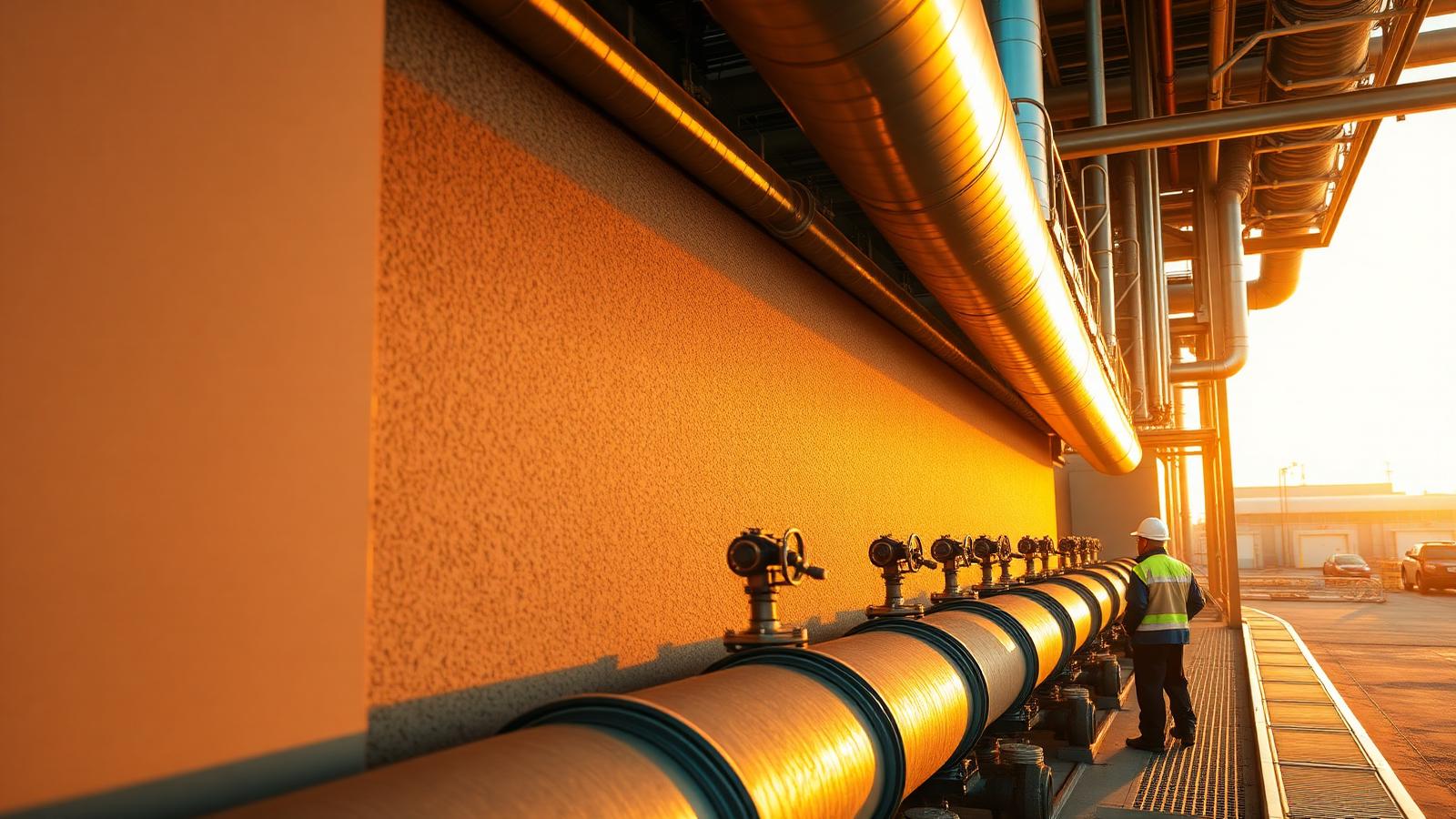
There's a reason industrial equipment on the Gulf Coast doesn't last as long as it does in drier climates. The combination of high humidity, salt air, and extreme heat creates an environment that accelerates corrosion, degrades refractory materials faster, and stresses seals and insulation constantly.
Mobile, Alabama, gets heavy rainfall, tropical humidity, and the occasional hurricane. Facilities in the Mobile Bay area have learned the hard way that equipment designed to standard industrial specs often needs additional corrosion protection and more frequent inspection cycles than what the manufacturer recommends for a facility in, say, Ohio.
Signs Your Thermal Oxidizer Needs Attention Now
If you're seeing any of the following at your Alabama facility, it's time to call for a professional assessment:
- Higher-than-normal fuel consumption is often the first sign that combustion efficiency has dropped. If your natural gas or propane costs have increased without a corresponding change in production throughput, your thermal oxidizer may be running inefficiently.
- Visible stack emissions or odor complaints from neighboring properties are obvious indicators, but they often come after a compliance violation has already occurred. Don't wait for a neighbor call or a regulatory notice.
- Alarm frequency increases: if your system is triggering high-temperature, low-temperature, or pressure alarms more frequently than in the past; something has changed. It may be a sensor, or it may be a real process issue.
Frequently Asked Questions
How often should a thermal oxidizer be serviced?
Manufacturers typically recommend annual inspections at minimum. Gulf Coast facilities benefit from semi-annual inspections because humidity and salt air accelerate corrosion and wear. High-utilization systems may need quarterly burner tune-ups.
What's the difference between a thermal oxidizer and a regenerative thermal oxidizer (RTO)?
A standard thermal oxidizer combusts waste gases directly. An RTO uses ceramic heat exchange media to recover and recycle combustion heat, making it significantly more fuel-efficient, often 90–95% heat recovery versus 50–70% for a standard unit.
Can a thermal oxidizer be rebuilt in the field, or does it need to be replaced?
Most thermal oxidizers can be rebuilt in place. Refractory relining, heat exchanger replacement, burner upgrades, and control system modernization can all be done on-site and often extend system life by 15–20 years at a fraction of replacement cost.
What are the ADEM requirements for thermal oxidizer performance in Alabama?
Requirements vary by permit type and industry sector, but most Alabama permits require a minimum VOC/HAP destruction efficiency of 95–99%, continuous or periodic performance testing, and CEMS data reporting for major sources. Our team can review your permit and confirm your specific obligations.
How quickly can CREATE Industries respond to a thermal oxidizer emergency in Alabama?
We offer 24/7 emergency response. For facilities in the Mobile and Gulf Coast Alabama area, we can typically have a team on-site within hours of a call. For more distant locations, we mobilize the right personnel and parts as fast as possible.
Conclusion
Thermal oxidizers are some of the hardest-working equipment in Gulf Coast industrial facilities, and they're also some of the most consequential from a regulatory standpoint. Keeping them operating at spec isn't just good maintenance practice; it's what keeps your permits intact and your facility running.
CREATE Industries serves Alabama and Gulf Coast operators with full-service thermal oxidizer diagnostics, maintenance, repair, and rebuilds. Our team has 20-plus years of experience with combustion systems, and we serve operators across Mobile and the broader Gulf Coast. When something goes wrong, we mobilize fast.
Need Thermal Oxidizer Service in Alabama?
Schedule an assessment or request 24/7 emergency support. Call (251) 209-8127 or reach out online.
Speak With a Specialist