Operating Across the Border: A Practical Guide to US and Canadian Emissions Compliance in 2026
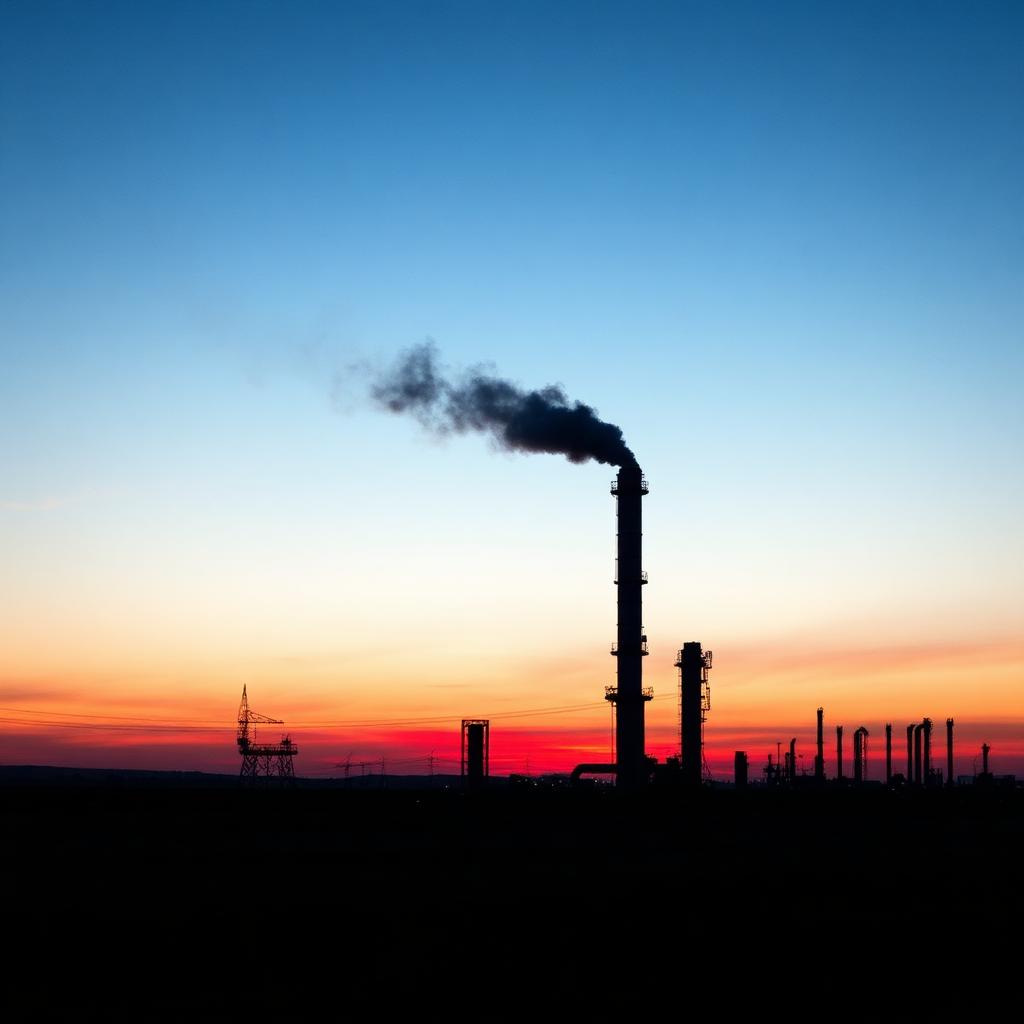
Industrial operators with assets in both the United States and Canada are increasingly running two entirely different regulatory playbooks under one corporate roof. The US system is built around technology-based Clean Air Act standards and a currently paused federal fee. The Canadian system is built around a price signal that rewards efficiency directly. Neither approach is inherently more or less demanding, but treating them as interchangeable is how facilities end up under-equipped on one side of the border or over-engineering on the other.
Two Different Starting Philosophies
The US approach, at its core, asks a facility to meet a specific technical standard: install this type of control, achieve this destruction efficiency, monitor continuously in this way. Compliance is largely binary, a facility either meets NSPS/NESHAP requirements for its thermal oxidizer, flare, or vapor combustor, or it does not. The Waste Emissions Charge, when and if it activates, layers a financial penalty on top of that technical framework for facilities that fall outside statutory methane intensity thresholds.
Canada's OBPS takes a different route. Rather than mandating a specific technology, it sets an emissions-intensity performance standard per unit of output and lets facilities choose how to hit it: better combustion efficiency, process changes, methane capture, or paying the difference. Facilities that perform better than the standard earn credits they can sell or bank; those that perform worse pay. It is a market mechanism layered on top of baseline provincial and federal air permitting requirements, which still exist independently.
Why This Distinction Matters for Equipment Specification
A facility built to satisfy US technology standards (say, a thermal oxidizer sized to hit 98% destruction and removal efficiency because that is the Clean Air Act benchmark) may be performing well above the bar Canadian regulators would require on a pure intensity basis, but that extra performance now has quantifiable value north of the border in the form of OBPS credits. Conversely, a Canadian facility optimized purely to minimize its intensity-based carbon bill may not automatically satisfy US NESHAP or state-level permit conditions if that same equipment were relocated or replicated at a US site: the underlying technical requirements are different regulatory instruments entirely.
For operators designing new capacity with facilities planned on both sides of the border, the efficient move is to specify equipment to the higher of the two standards from the outset, usually the US technology-based requirement, since it tends to set a firmer performance floor, while capturing the additional efficiency gains as OBPS credit value in Canada rather than treating them as two separate design exercises.
The Compliance Calendar Looks Different, Too
US facilities are watching a fee that is currently paused until at least 2034 but sitting on the books, alongside flaring restrictions under OOOOb/OOOOc where the deadline has already passed. Canadian facilities are watching a carbon price trajectory that just got extended out to 2035, with a fuller federal benchmark update expected later in 2026 and provincial systems that can shift independently, Saskatchewan's pause on industrial carbon pricing being the clearest recent example of that divergence.
That means a compliance calendar built for one country will consistently miss deadlines relevant to the other. A cross-border operator needs two parallel tracking systems: one watching EPA rulemaking, state implementation plans, and Congressional action on the WEC; the other watching the federal OBPS benchmark review, provincial system changes, and CBAM-related developments that could affect export competitiveness.
Where the Two Systems Actually Converge
Despite the different mechanisms, the equipment doing the physical work (flares, thermal and regenerative thermal oxidizers, vapor combustors, biogas conditioning skids, CEMS) is largely the same hardware on both sides of the border, engineered and fabricated to slightly different specification sheets. This is where a fabrication partner with genuine cross-border experience earns its value: understanding not just how to weld and assemble a combustion system, but how to document destruction efficiency, monitoring, and reporting in a way that satisfies both an EPA Title V reviewer and a Canadian OBPS verifier without building two separate systems.
A Practical Framework for Cross-Border Operators
Start every new capital project by identifying which jurisdiction's technical standard is more stringent for that specific pollutant or process, and design to that floor. Layer in Canadian intensity-based crediting as a value-add on top of the US technical baseline, rather than a separate design constraint. Keep US and Canadian regulatory calendars on separate tracks with separate owners, since the trigger events (a Congressional vote versus a federal benchmark consultation) do not move on the same clock. And when evaluating fabrication or EPC partners, ask directly about experience documenting the same equipment for both a US Title V permit and a Canadian OBPS or provincial compliance filing: it is a narrower skill set than it sounds, and it saves real money on projects that straddle the border.
Operators who build this dual fluency into their compliance function, rather than bolting it on after an audit or a violation, are the ones positioned to move capacity between US and Canadian facilities without re-engineering their emissions control strategy from scratch every time.
Frequently Asked Questions
Is US or Canadian emissions regulation stricter overall?
Neither is uniformly stricter, they use different mechanisms. The US relies on technology-based standards with fixed performance requirements, while Canada uses an intensity-based pricing system that lets facilities choose how to hit a target. Which one is more demanding depends on the specific pollutant, process, and facility.
Can the same equipment satisfy both US and Canadian requirements?
Often yes, if it is specified to the higher of the two standards from the start, typically the US technology-based requirement as the performance floor, with Canadian intensity-based crediting layered on top as additional value.
Do I need separate compliance calendars for US and Canadian facilities?
Yes. The trigger events are different, Congressional action and EPA rulemaking on one side, federal benchmark reviews and provincial system changes on the other, and they do not move on the same schedule.
What should I ask a fabrication partner about cross-border compliance experience?
Ask specifically whether they have documented the same type of equipment for both a US Title V permit and a Canadian OBPS or provincial compliance filing. That is a narrower skill set than general fabrication experience.
Does Canada's carbon pricing system replace the need for air permits?
No. The OBPS is a financial mechanism layered on top of existing provincial and federal air permitting requirements, which still apply independently.
How does the EU's CBAM affect Canadian operators with US operations?
It does not directly affect US-side operations, but Canadian exporters, particularly in steel, aluminum, and cement, face uncertainty over whether their provincial carbon credits will be recognized under CBAM, which could add cost pressure on Canadian-side production regardless of US compliance status.
One Fabrication Partner. Both Sides of the Border.
CREATE Industries fabricates and services flares, RTOs, RCOs, vapor combustors, biogas conditioning skids, and CEMS for facilities in the US and Canada, with equipment specified to satisfy US Title V and Canadian OBPS or provincial compliance filings from the same design package. Offices in Kennesaw, GA and Mobile, AL. 24/7 emergency response.
Talk to an Engineer