Vapor Combustors & Enclosed Combustion in Alabama: What Gulf Coast Operators Need to Know
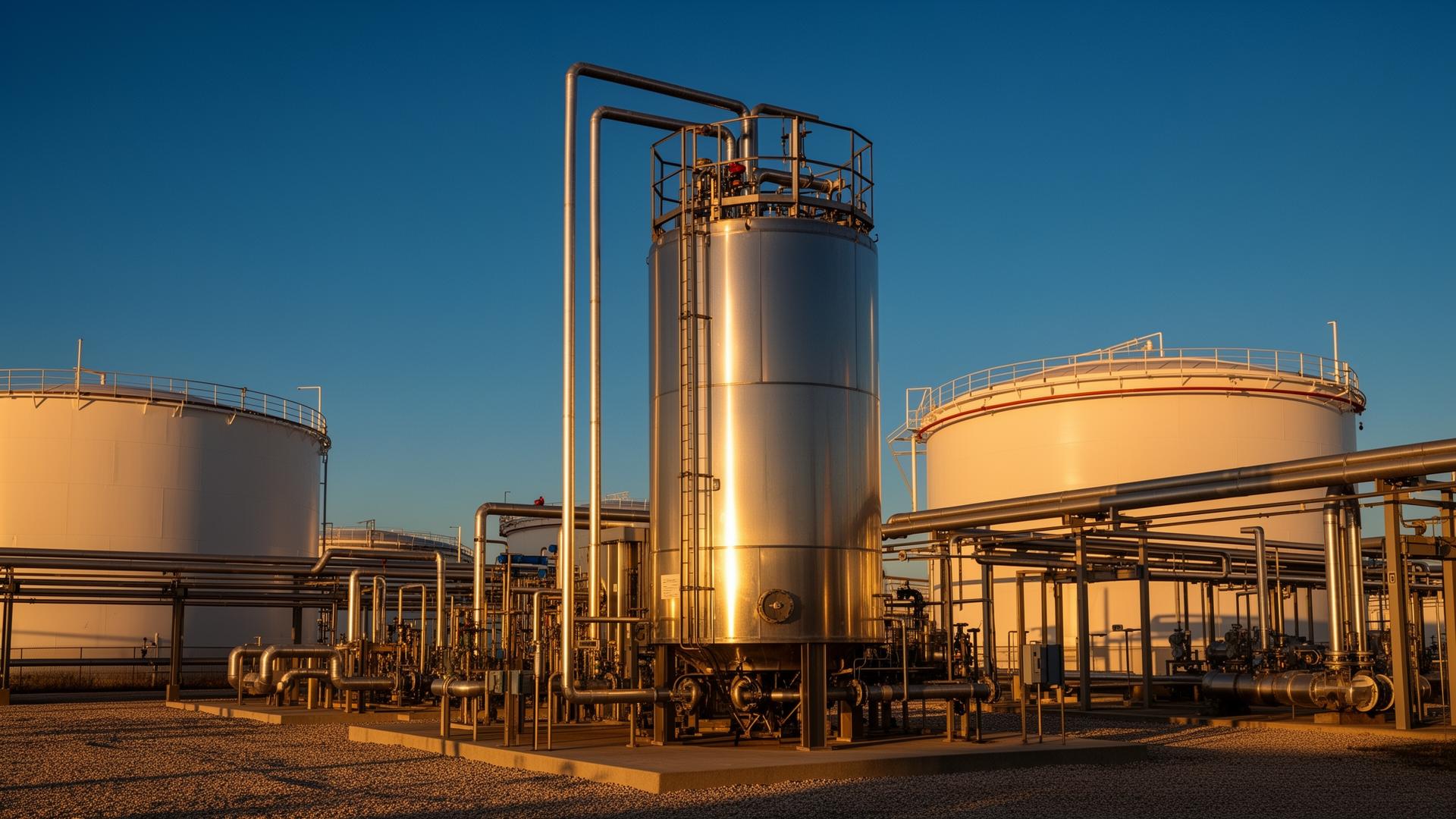
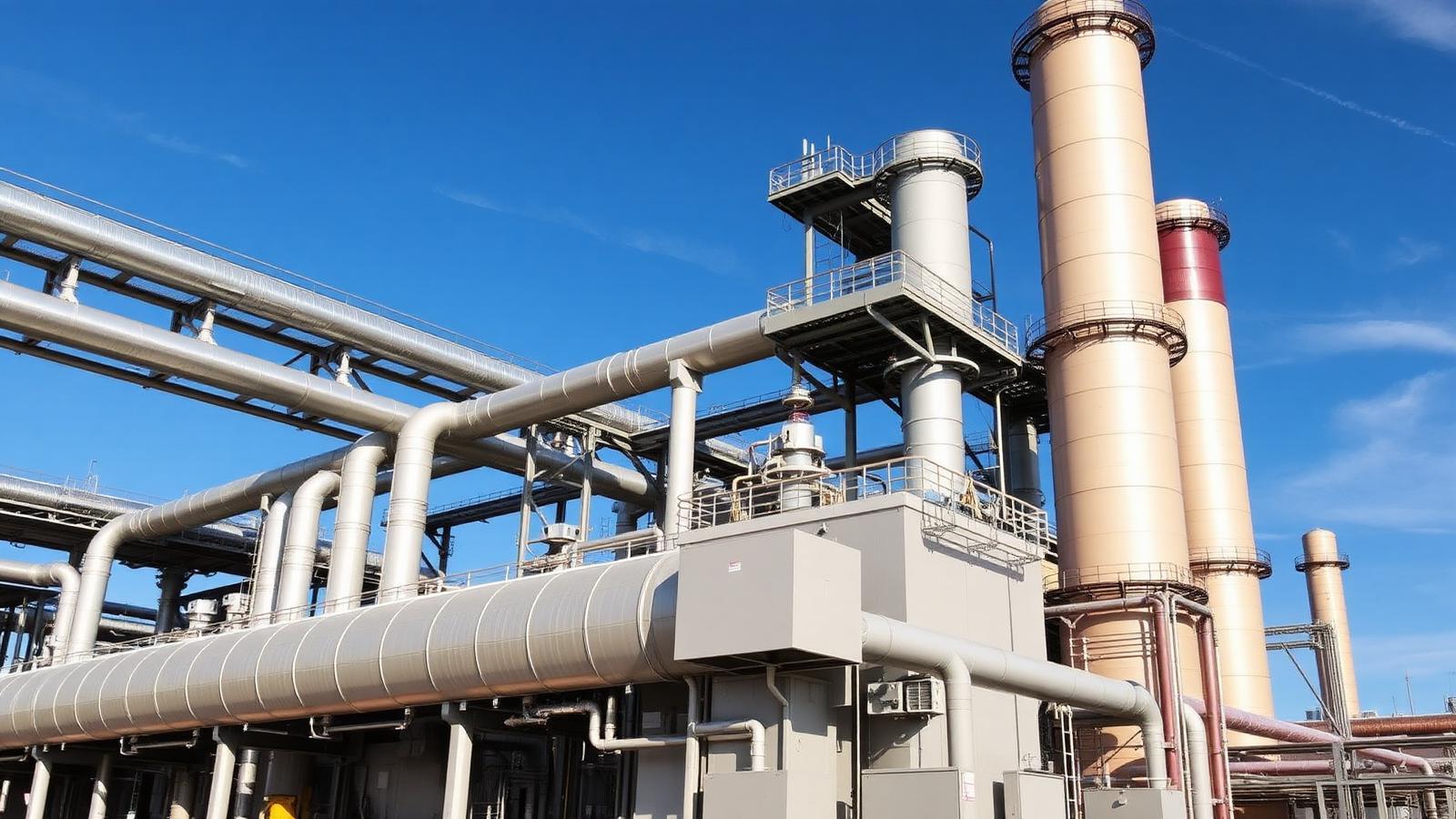
Not every waste gas stream on a Gulf Coast industrial site requires a full thermal oxidizer or a large elevated flare. For low-pressure, low-BTU vapor streams, the kind generated at crude oil storage tank batteries, wastewater treatment facilities, landfills, and biogas operations across Alabama, an enclosed vapor combustor is often the most practical, cost-effective, and permit-appropriate solution available.
The challenge is that vapor combustors are frequently misunderstood, under-specified, or improperly maintained, which means facilities end up either overspending on control technology they don't need or running systems that don't actually deliver the destruction efficiency their permits require.
What Is a Vapor Combustor and How Does It Work
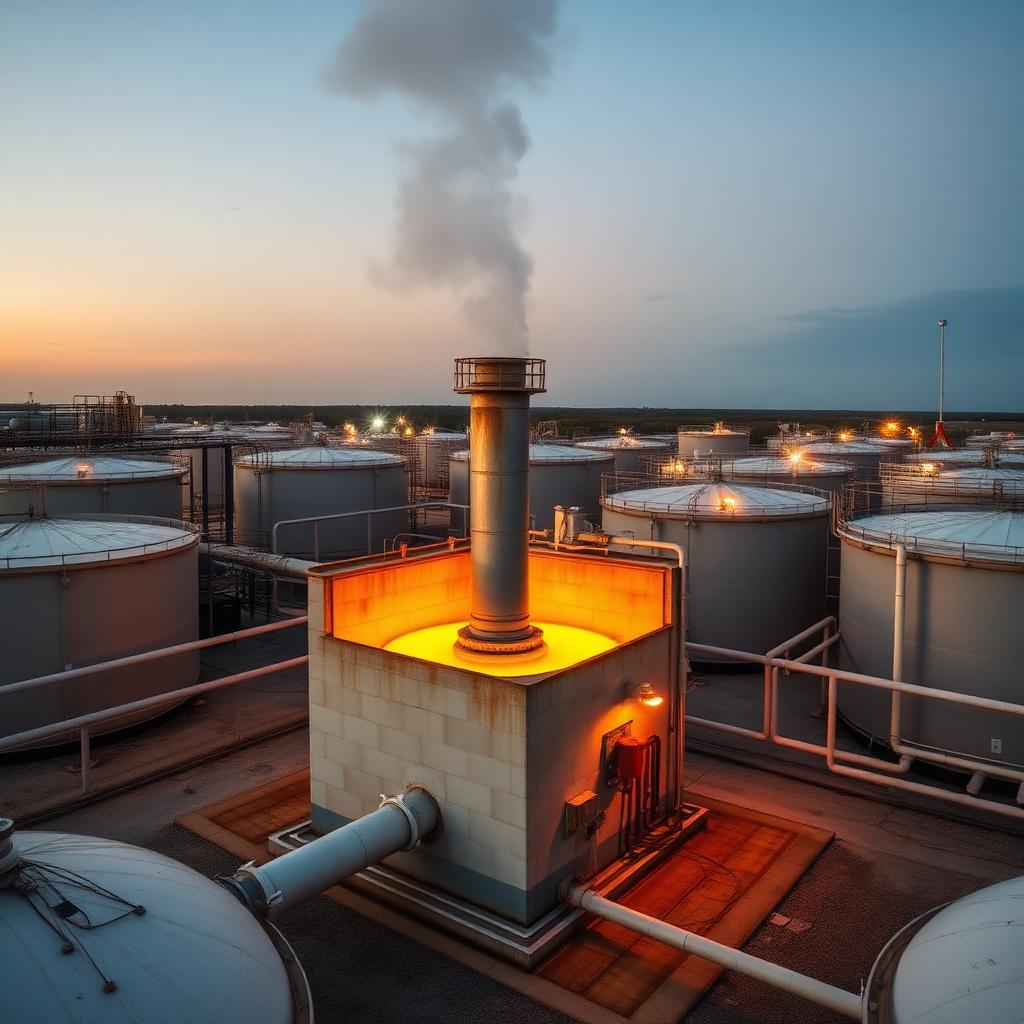
A vapor combustor, also called an enclosed flare, vapor incinerator, or enclosed combustion unit, is a device that destroys combustible waste gas streams through high-temperature combustion inside a refractory-lined enclosure. Unlike an open flare, which combusts gas at the tip of a visible stack, a vapor combustor contains the combustion process entirely within its housing. There is no visible flame, minimal visible emissions, and combustion efficiency is significantly higher than an open flare operating on low-BTU gas.
The operating principle is straightforward. Waste gas is introduced into the combustion chamber, where a continuously operating pilot burner maintains ignition. Combustion air is controlled to maintain the temperature and residence time needed to achieve the required destruction efficiency, typically 98% or greater VOC destruction. Combustion products exit through a stack, and because the combustion is enclosed and controlled, the system can consistently achieve performance levels that open combustion cannot match on variable or low-energy waste gas streams.
The key design parameters are operating temperature, residence time, and combustion air control. A properly designed vapor combustor maintains a temperature in the range of 1,400°F to 1,600°F with a residence time of 0.5 to 1.0 seconds, the combination that regulatory frameworks recognize as delivering reliable high-efficiency destruction.
When a Vapor Combustor Is the Right Choice
- The waste gas stream is low-pressure and low-flow: Tank vapors, landfill gas at smaller sites, biogas from wastewater digesters, and vent streams from low-pressure processing equipment are all typical applications.
- Visible emissions are a compliance or community concern: Near residential neighborhoods, along waterways, or anywhere visible flame and smoke would attract regulatory or public attention, the enclosed nature of a vapor combustor is a significant advantage.
- The BTU content of the gas is variable or low: Open flares require a minimum heating value for stable combustion. Vapor combustors, with their controlled environment and continuous pilot, can handle streams with lower and more variable heating values reliably.
- Permit conditions require high destruction efficiency without a full thermal oxidizer: For many smaller emission sources across Alabama, a vapor combustor delivers permitted destruction efficiency at a capital and operating cost that's far more appropriate than a regenerative or direct-fired thermal oxidizer.
Regulatory Framework for Vapor Combustors in Alabama
Vapor combustors used as emissions control devices at Alabama industrial facilities operate within a regulatory framework that includes both federal EPA requirements and ADEM air permit conditions. The specific requirements depend on the source category, the pollutants being controlled, and the permit classification of your facility.
At the federal level, vapor combustors used to control emissions from storage tanks, wastewater treatment, and certain other source categories are subject to requirements under 40 CFR Part 60 and Part 63. These rules specify design criteria, minimum operating temperature, minimum residence time, and pilot flame requirements that the combustor must meet to be recognized as a compliant control device. A vapor combustor that doesn't meet these design criteria doesn't count as a control device for purposes of demonstrating compliance, even if it's physically destroying some portion of the emissions.
ADEM air permits for Alabama facilities typically specify the control device requirements explicitly, including the required destruction efficiency and any monitoring or record-keeping obligations. For facilities in the Mobile Bay area and across Southwest Alabama, ADEM has been increasingly attentive to whether vapor combustors are actually achieving their permitted destruction efficiencies.
At minimum, facilities are typically required to demonstrate that the pilot system is operational, that the combustor is achieving target operating temperatures, and that records of operating parameters are being maintained. For Title V facilities using a vapor combustor as a control device for HAP emissions, more robust monitoring may be required.
Gulf Coast Conditions and Vapor Combustor Reliability
- High humidity can impact pilot system reliability and ignition performance.
- Coastal conditions accelerate corrosion on combustor housings and stacks.
- Extreme summer heat can affect combustion air density and system efficiency.
- Hurricane preparedness should include backup ignition and structural protection.
- Regular inspections and weather-resistant components improve long-term reliability.
Frequently Asked Questions
What is the difference between a vapor combustor and a thermal oxidizer?
Vapor combustors handle lower-flow, lower-BTU waste gas streams, while thermal oxidizers are built for higher-flow and more demanding applications.
What destruction efficiency can a vapor combustor achieve?
A properly designed and operated vapor combustor can achieve 98% or greater VOC destruction efficiency.
Does my Alabama facility need an air permit to operate a vapor combustor?
Most Alabama facilities need an air permit before operating a vapor combustor. ADEM permit conditions typically specify destruction efficiency, monitoring, and record-keeping obligations.
How do I know if my existing vapor combustor is achieving its permitted destruction efficiency?
Performance testing and continuous monitoring of operating temperature, pilot status, and residence time are the best ways to verify permitted destruction efficiency.
Can CREATE Industries service vapor combustors that were originally installed by another manufacturer?
Yes. CREATE Industries services, repairs, and upgrades vapor combustors from any manufacturer.
Conclusion
CREATE Industries designs, fabricates, installs, and services vapor combustors and enclosed combustion systems for Alabama and Gulf Coast industrial operators. Our team understands the technical requirements, the regulatory framework, and the Gulf Coast conditions that affect how these systems need to be designed and maintained.
Evaluating a Vapor Combustor?
Whether you're sizing a new install, troubleshooting an existing system, or due for a compliance check, we're ready to help.
Get Started