AI Camera Vision and Perimeter Surveillance: Building the Security Infrastructure Data Centers Actually Need
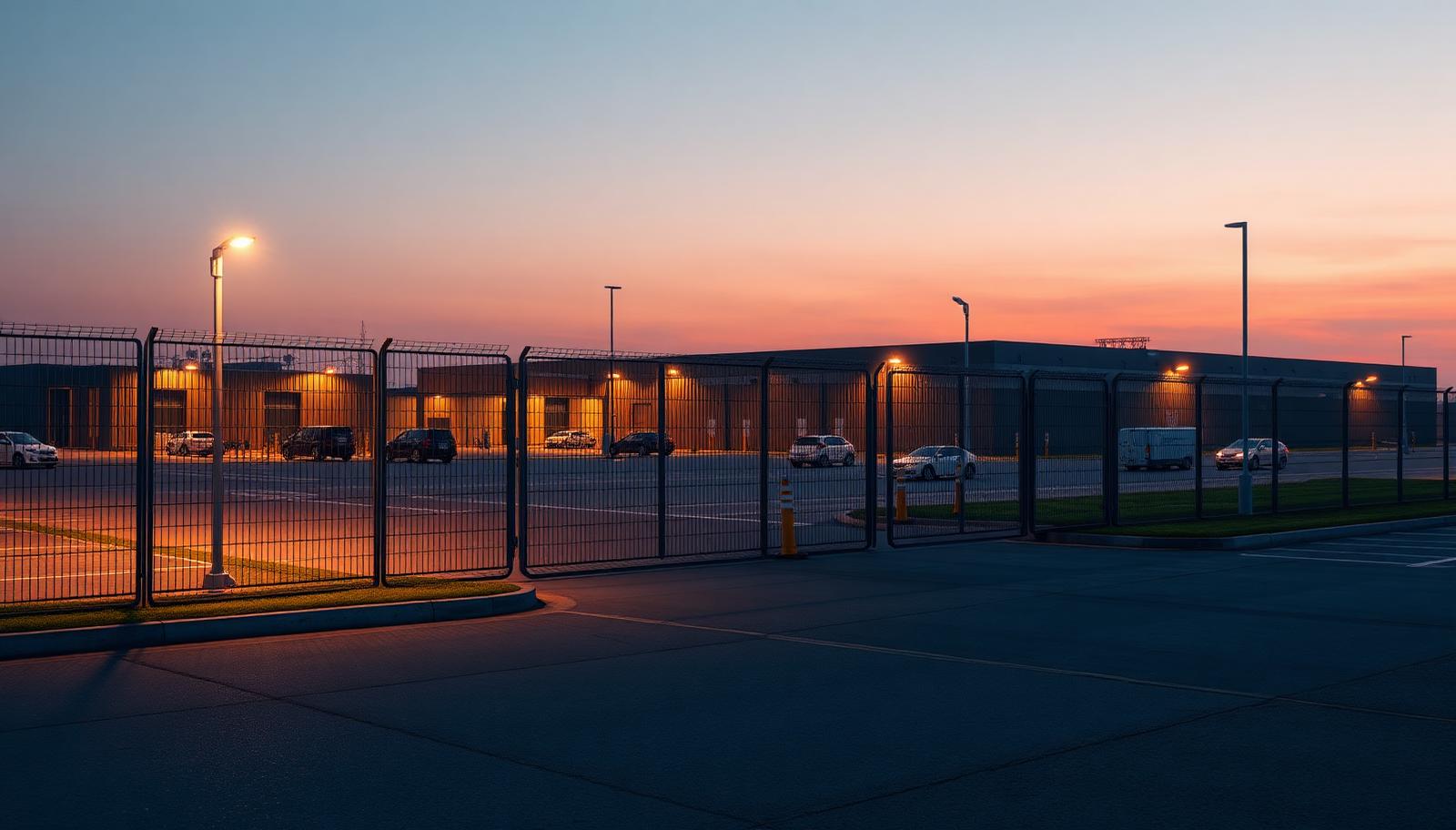
Every hyperscale security spec now assumes intelligent video: cameras that classify humans versus animals, track a target across the fence line, and hand verified alarms to a security operations center in seconds. But AI analytics are only as good as the physical infrastructure underneath them, and that infrastructure is a construction scope. Here is what building real data center perimeter surveillance involves, from the concrete up.
The Physical Layer Nobody Budgets Properly
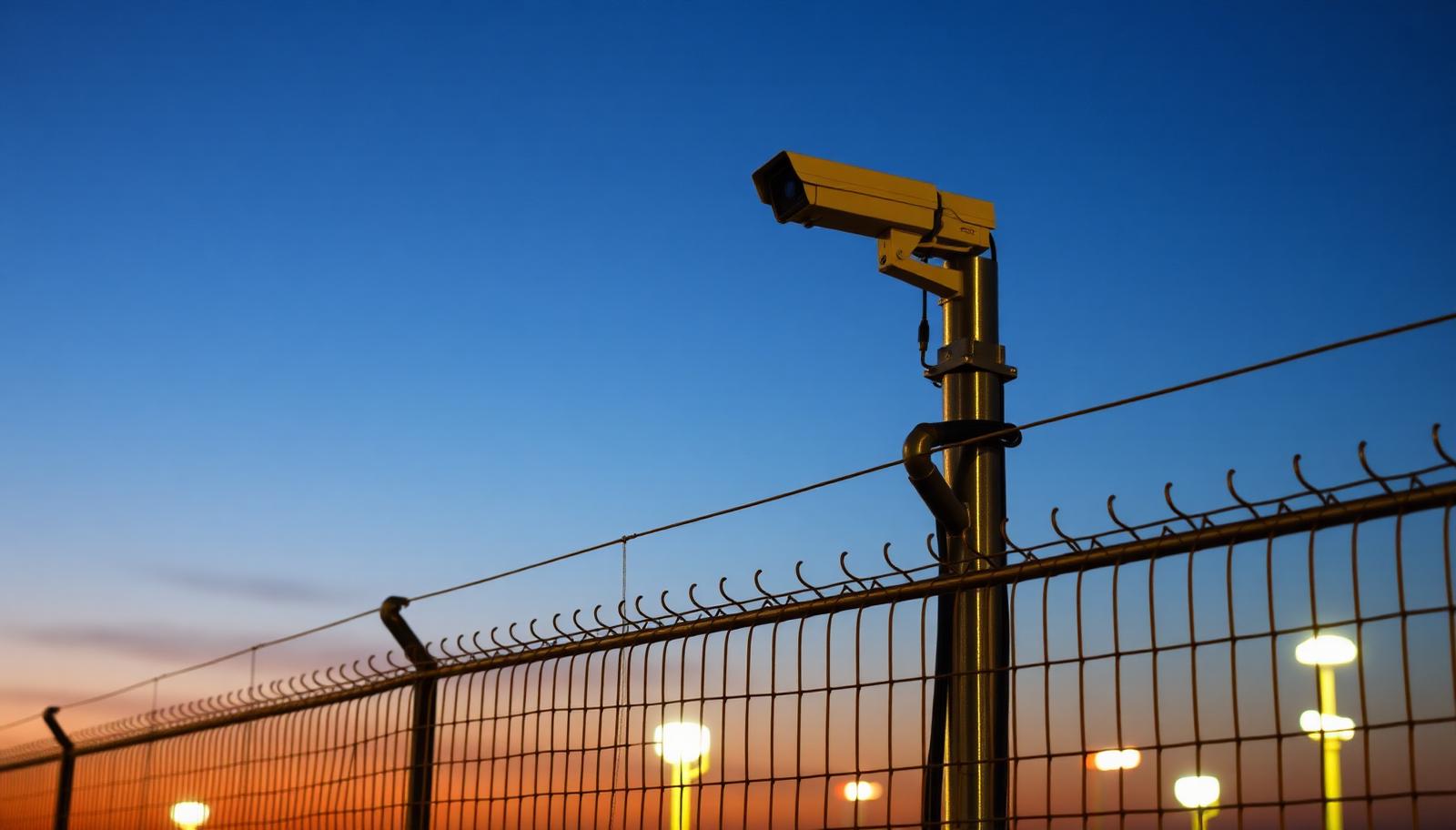
- Camera poles and foundations: engineered poles (typically 15 to 30 ft) with drilled pier foundations, spaced so fields of view overlap with no dead zones, pole placement is a survey exercise, not a guess
- Conduit and pathways: miles of trenched conduit around a campus perimeter, coordinated with duct banks, drainage, and fence foundations before anything is poured
- Power and network: dedicated circuits, UPS-backed power for cameras and edge devices, and fiber loops with redundant paths so one cut doesn't blind a quadrant
- Environmental hardening: enclosures, surge protection, and Gulf Coast-grade wind and lightning design where applicable
Choosing the Detection Stack
Mature perimeters layer technologies because each one fails differently:
- Visible-light cameras with AI analytics for classification, tracking, and forensic review
- Thermal cameras for darkness, fog, and glare, the workhorse of after-hours detection
- Radar for long-range approach detection across open ground, cueing PTZ cameras automatically
- Fence-mounted sensors confirming physical contact with the barrier itself
The AI layer sits on top: analytics reduce nuisance alarms (the historical killer of perimeter systems) by filtering wildlife, weather, and headlights, so operators respond to verified events instead of noise.
Design Rules That Prevent Expensive Regret
- Design camera coverage and fence lines together, the fence contractor and the security integrator sharing one model prevents blocked sight lines
- Maintain lighting and clear zones as part of the security design, not landscaping's afterthought
- Put spare conduit in every trench; the second camera generation is always coming
- Commission analytics against scripted intrusion scenarios and document detection performance, exactly like mechanical commissioning
Why This Belongs With Your Site Infrastructure Contractor
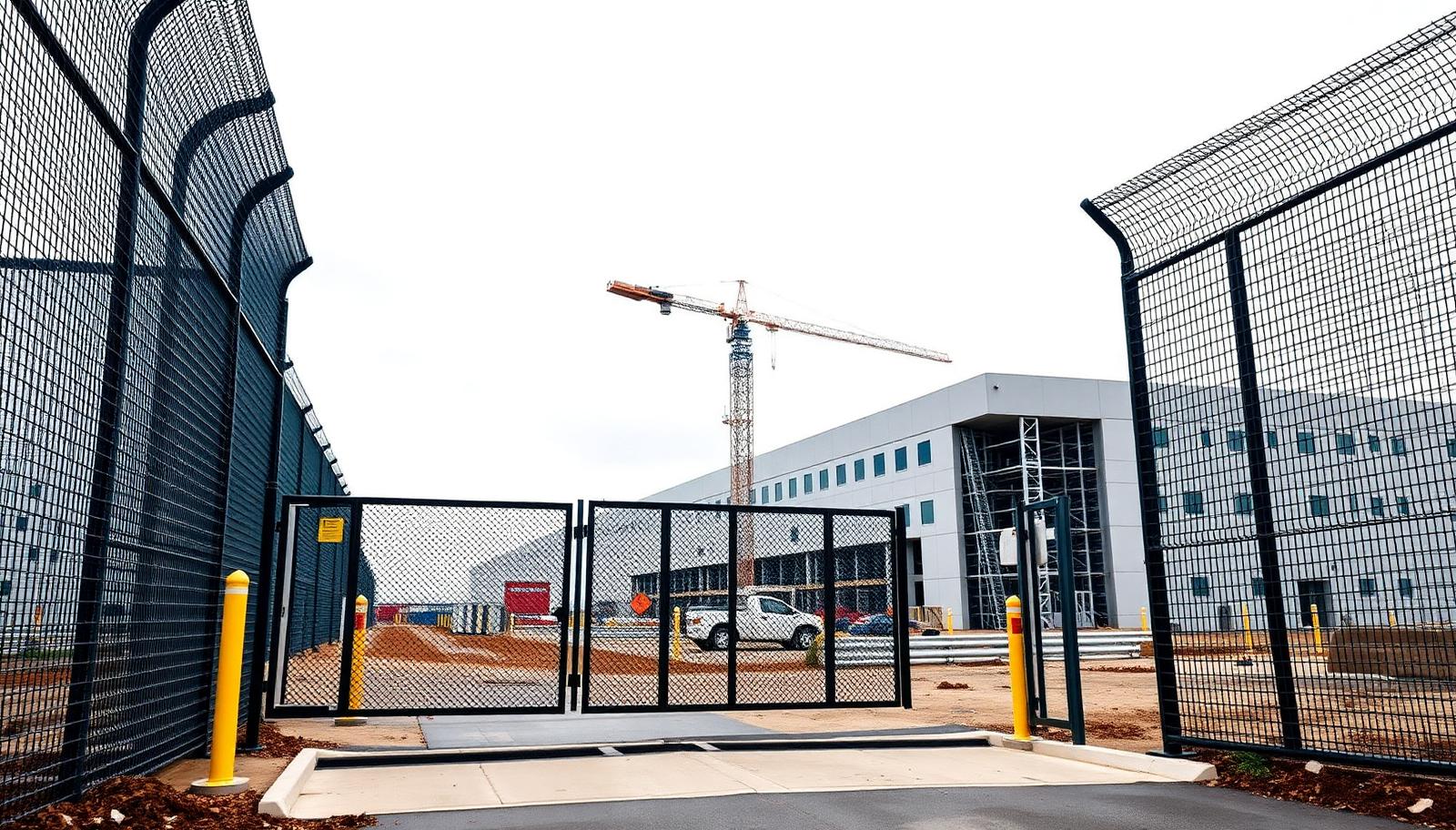
The surveillance buildout is 80% civil, structural, and electrical work: foundations, trenching, poles, conduit, and steel. Splitting it from the perimeter and sitework packages creates coordination seams where coverage gaps live. Delivered together, poles land where the model says, conduit is in the ground before paving, and the integrator arrives to a site that is actually ready.
CREATE Industries, through North Forge Contracting, builds the full perimeter package, fencing, barriers, camera infrastructure, and the sitework beneath it, with AI-era security in the design from day one. (251) 209-8127 · info@createindustries.com.
Related reading from CREATE Industries: Data Center Perimeter Security: Defense in Depth, Data Center Perimeter Security Fencing, Data Center Mechanical Contracting for AI Cooling, our services, and get in touch.
FAQs: Data Center Perimeter Surveillance
What physical infrastructure does perimeter surveillance require?
Engineered camera poles (typically 15 to 30 ft) with drilled pier foundations spaced so fields of view overlap with no dead zones, miles of trenched conduit coordinated with duct banks, drainage, and fence foundations, dedicated circuits with UPS-backed power for cameras and edge devices, fiber loops with redundant paths, and environmental hardening including enclosures, surge protection, and Gulf Coast-grade wind and lightning design where applicable.
Which detection technologies should a mature perimeter layer?
Visible-light cameras with AI analytics for classification, tracking, and forensic review, thermal cameras for darkness, fog, and glare, radar for long-range approach detection across open ground that cues PTZ cameras automatically, and fence-mounted sensors confirming physical contact with the barrier itself.
What does the AI layer actually improve?
Analytics reduce nuisance alarms (the historical killer of perimeter systems) by filtering wildlife, weather, and headlights, so operators respond to verified events instead of noise.
What design rules prevent expensive regret?
Design camera coverage and fence lines together so the fence contractor and security integrator share one model, maintain lighting and clear zones as part of the security design, put spare conduit in every trench, and commission analytics against scripted intrusion scenarios with documented detection performance.
Why should surveillance be delivered with the sitework package?
The surveillance buildout is 80 percent civil, structural, and electrical work: foundations, trenching, poles, conduit, and steel. Splitting it from the perimeter and sitework packages creates coordination seams where coverage gaps live.
Build the Perimeter and the Surveillance Together
Fencing, barriers, camera infrastructure, and the sitework beneath it. Call (251) 209-8127.
Talk to an Engineer