Data Center Mechanical Contracting: What It Actually Takes to Build the Cooling Systems Behind AI Infrastructure
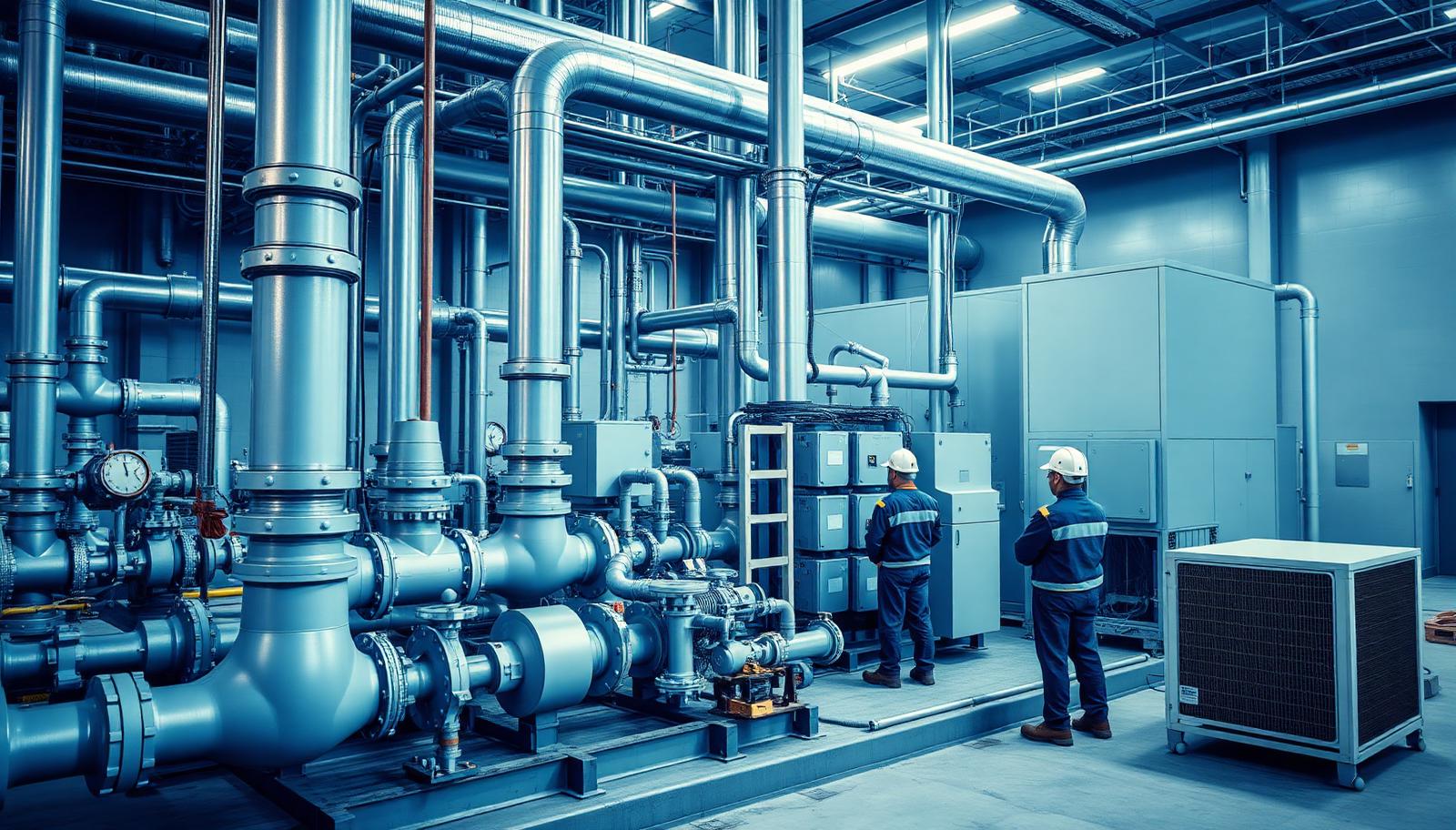
Data center mechanical contracting used to mean CRAH units and chilled water loops. AI-driven rack densities have turned it into one of the most demanding mechanical scopes in construction. Here's what operators and general contractors should know before the next campus breaks ground.
Mechanical Scope Has Outgrown "HVAC"
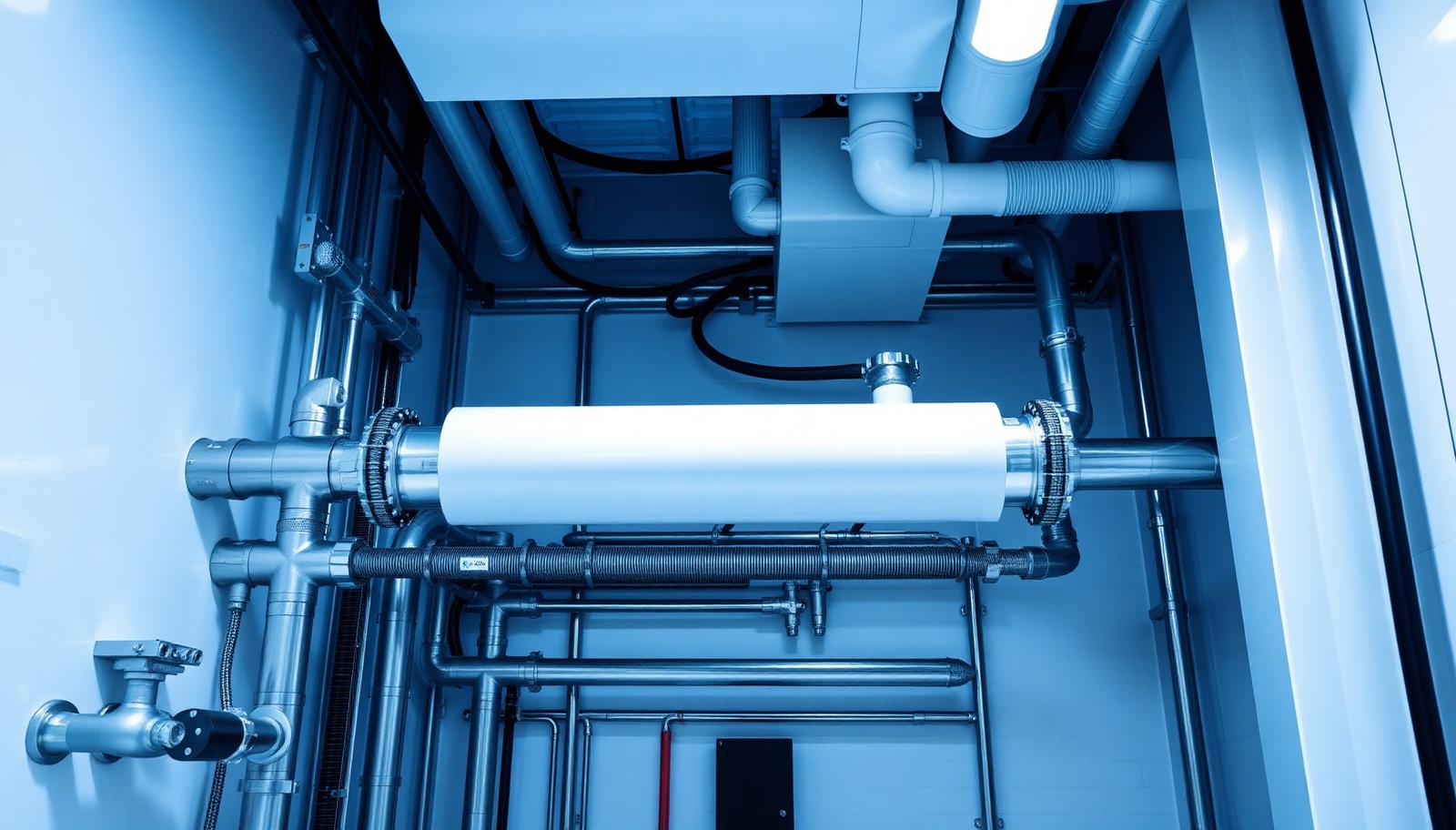
Ask what mechanical contracting means on a data center project in 2026, and the honest answer is: more than it used to. Traditional air-cooled facilities relied on CRAH and CRAC units, chilled water plants, and well-understood airflow management. That work still exists, but it now sits alongside direct-to-chip cooling, immersion systems, coolant distribution units (CDUs), dry coolers, and hybrid air-and-liquid architectures running in the same building, sometimes in the same row.
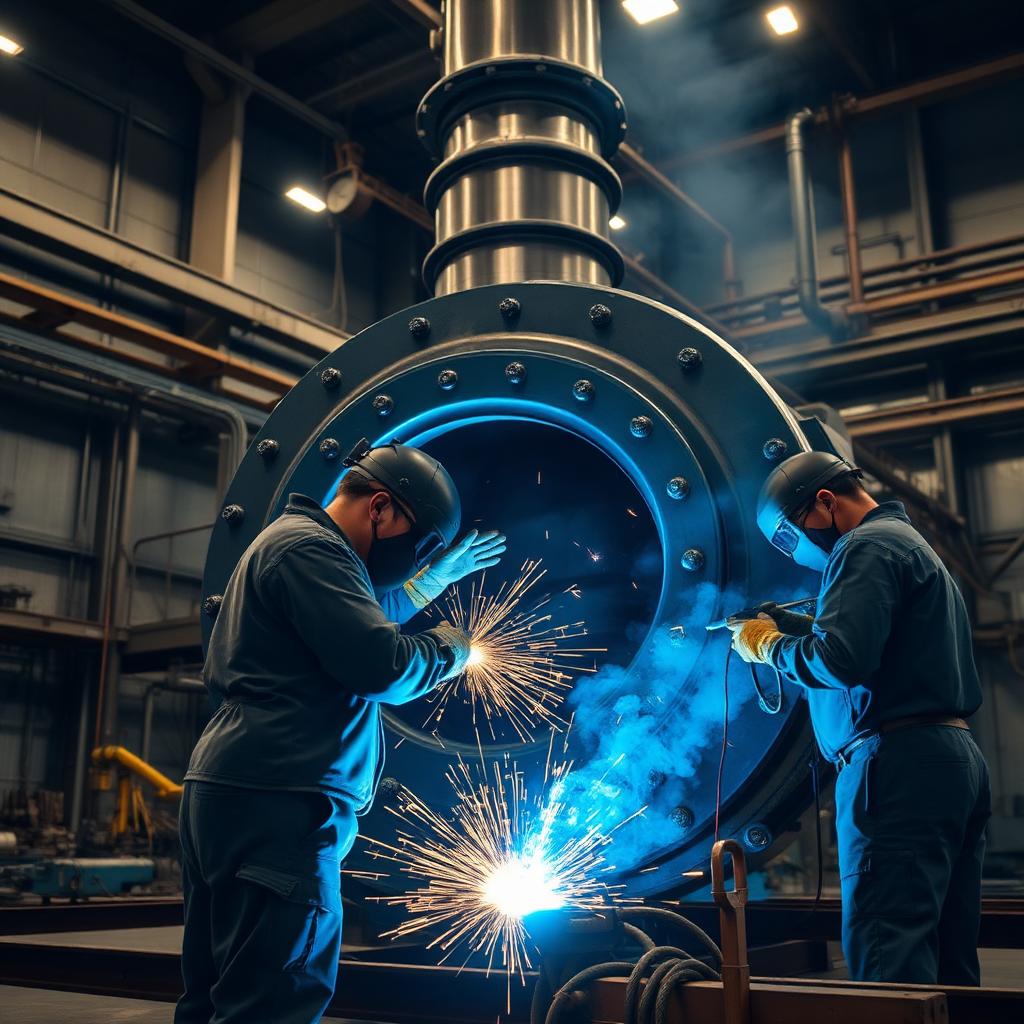
A modern data center mechanical contractor has to be fluent in all of it: central plant equipment, chilled and condenser water systems, CDU installation and integration, piping and pipe fitting to liquid-cooling tolerances, controls integration, and commissioning sequences that verify a system performs under real thermal load, not just on paper.
Why Rack Density Rewrote the Mechanical Playbook
The driver behind all of this is simple: AI accelerator racks draw far more power, and reject far more heat, than the servers most cooling systems were designed around. Air cooling tops out well before it can handle the densest GPU clusters, which is why direct-to-chip liquid cooling (routing coolant through a cold plate mounted on the CPU or GPU) has become standard for the highest-density deployments, alongside immersion cooling for the most extreme cases.
That shift changes what "mechanical contracting" means on site:
- Hybrid plant design. New campuses increasingly run legacy air-cooled halls next to liquid-cooled AI pods, which means mechanical contractors are building and integrating two cooling architectures under one roof, on one schedule.
- Warmer water, different equipment mix. As next-generation GPU platforms move toward higher supply water temperatures, some facilities can shift heat rejection toward dry coolers instead of mechanical chillers, changing the equipment list, the piping design, and the redundancy strategy all at once.
- CDU integration as a standalone discipline. The CDU is now the critical link between the facility loop and the IT equipment loop, and getting its installation, redundancy, and controls integration right is arguably the highest-stakes mechanical task on a liquid-cooled build.
- Commissioning under real thermal load. Because a CDU or piping failure in a liquid-cooled row is a thermal emergency measured in minutes, commissioning has to verify failover, redundancy, and leak response, not just static performance.
Scheduling Discipline Is Now a Mechanical Competency
Equipment lead times, particularly for CDUs and precision cooling components, have become one of the biggest risks to a data center construction timeline. Supply constraints and industry consolidation among cooling equipment manufacturers mean the mechanical contractor's ability to sequence work (roughing in piping, headers, and electrical ahead of equipment delivery, then compressing tie-in and commissioning once it arrives) often matters as much as the installation itself. A mechanical scope built around a static drawing set, rather than a live procurement schedule, is where data center projects lose weeks.
Where Mechanical Work Fits Into a Data Center Build
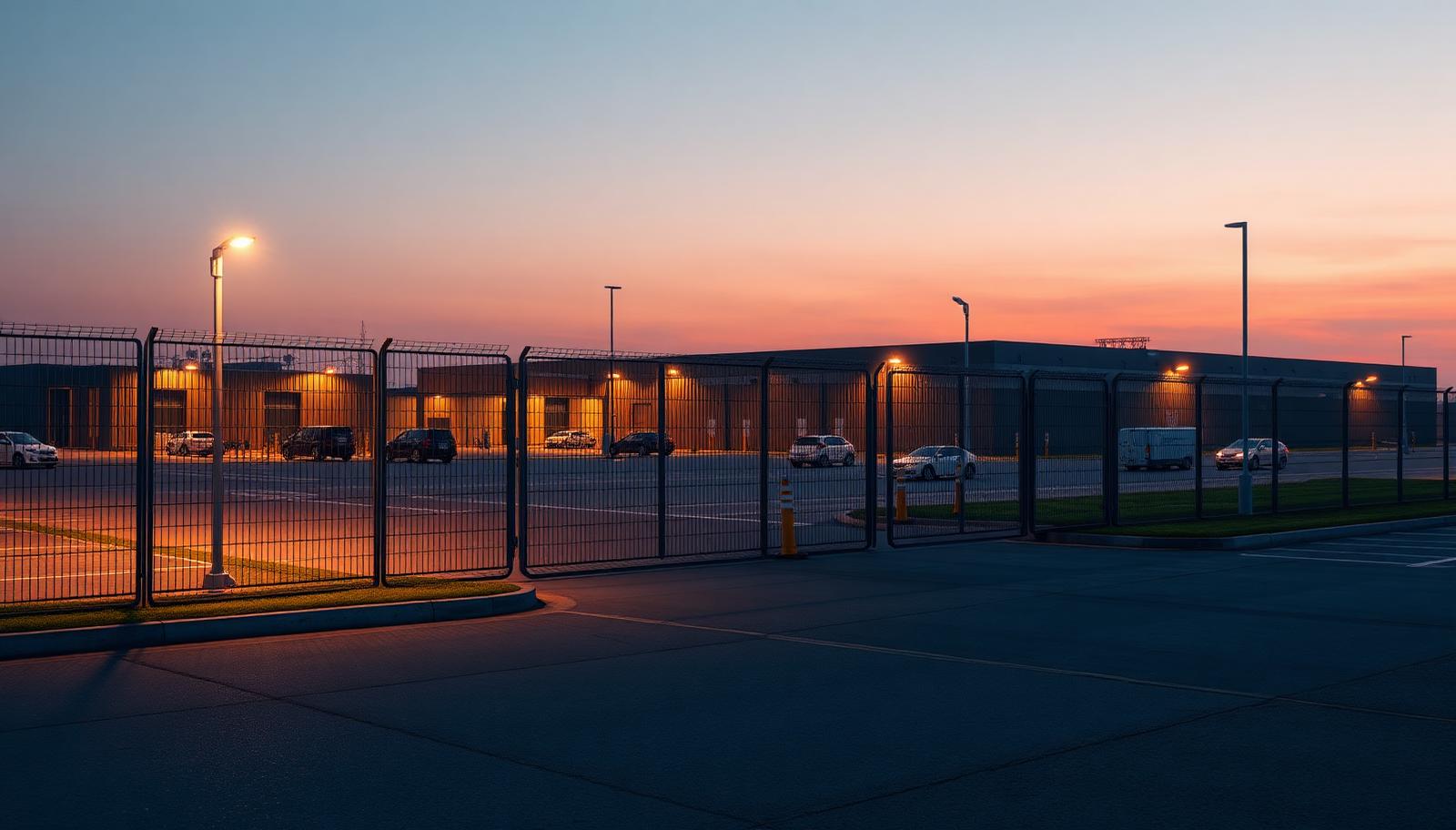
Mechanical contracting on a data center campus doesn't happen in isolation. It has to be sequenced tightly against site and civil work, electrical and controls installation, structural steel, and, increasingly, the physical security infrastructure going in around the same footprint. A general contractor managing a data center build needs a mechanical partner who understands where their scope starts and ends relative to every other trade on site, and who can flag conflicts before they show up as change orders.
That's the model North Forge Contracting, part of CREATE Industries, applies to data center and critical facility work: general contracting with an engineering brain, scoped tight, subcontracted smart, and delivered on schedule. It's the same discipline the CREATE team has spent 20+ years applying to combustion systems, biogas processing plants, and industrial mechanical infrastructure across the country, now applied to the cooling systems keeping AI infrastructure running.
What to Look for in a Data Center Mechanical Contractor
Before awarding a mechanical scope on a data center project, operators and GCs should confirm the contractor can speak fluently to:
- Chilled water and CDU piping design and installation
- Liquid cooling tolerances for cleanliness, pressure, and leak detection integration
- Hybrid air/liquid plant design and controls integration
- Realistic equipment lead times and how they sequence rough-in work around them
- Commissioning that tests redundancy and failover, not just startup performance
Related reading from CREATE Industries: Data Center Pipe Fitting, Data Center Perimeter Security, what we do, and our service capabilities.
FAQs: Data Center Mechanical Contracting
What does mechanical contracting include on a data center project?
It spans central plant equipment, chilled and condenser water systems, coolant distribution unit (CDU) installation and integration, piping and pipe fitting, controls integration, and commissioning. On newer builds, it also includes hybrid air- and liquid-cooling architecture, since AI pods and legacy air-cooled halls often share one building.
Why has liquid cooling become standard for data center mechanical systems?
AI accelerator racks reject far more heat than the servers most cooling systems were designed for, and air cooling can't keep pace with the densest GPU clusters. Direct-to-chip liquid cooling, and immersion cooling for the most extreme cases, has become the standard approach for handling that heat load.
What's a CDU and why does it matter to the mechanical scope?
A coolant distribution unit (CDU) is the bridge between the building's facility water loop and the technology cooling loop feeding IT equipment. It's one of the highest-stakes pieces of equipment on a liquid-cooled build, since a CDU failure in a liquid-cooled row can become a thermal emergency measured in minutes, making its installation, redundancy, and controls integration a mechanical contracting priority.
How does equipment lead time affect a data center mechanical project?
CDUs and other precision cooling components have faced supply constraints as the market consolidates around fewer, larger manufacturers. A mechanical contractor has to sequence rough-in work, piping, headers, electrical, ahead of equipment delivery so the schedule doesn't stall waiting on hardware.
What should commissioning look like for a data center mechanical system?
Commissioning should verify performance under real thermal load, not just startup conditions. That means testing failover and redundancy for the CDU and cooling plant, since a piping or CDU failure in a liquid-cooled environment can affect uptime within minutes if backup systems aren't proven to work.
How does mechanical work coordinate with other trades on a data center build?
Mechanical scope has to be sequenced tightly against site and civil work, electrical and controls, structural steel, and perimeter security infrastructure. A mechanical contractor who understands where their scope starts and ends relative to other trades can flag conflicts before they turn into change orders.
Building or Expanding a Data Center Campus?
Need a mechanical contractor who can move at the pace AI infrastructure demands? Talk to an engineer at CREATE Industries or call (251) 209-8127.
Talk to an Engineer