Data Center Pipe Fitting: Why Cooling Loop Precision Now Decides Whether an AI Rack Stays Online
Chilled water and CDU piping used to be background infrastructure. In an AI data hall, it's the system standing between a $250,000 GPU rack and a thermal shutdown. Here's what changed, and what operators should expect from a pipe fitting crew in 2026.
The Pipe Run Now Extends to the Rack
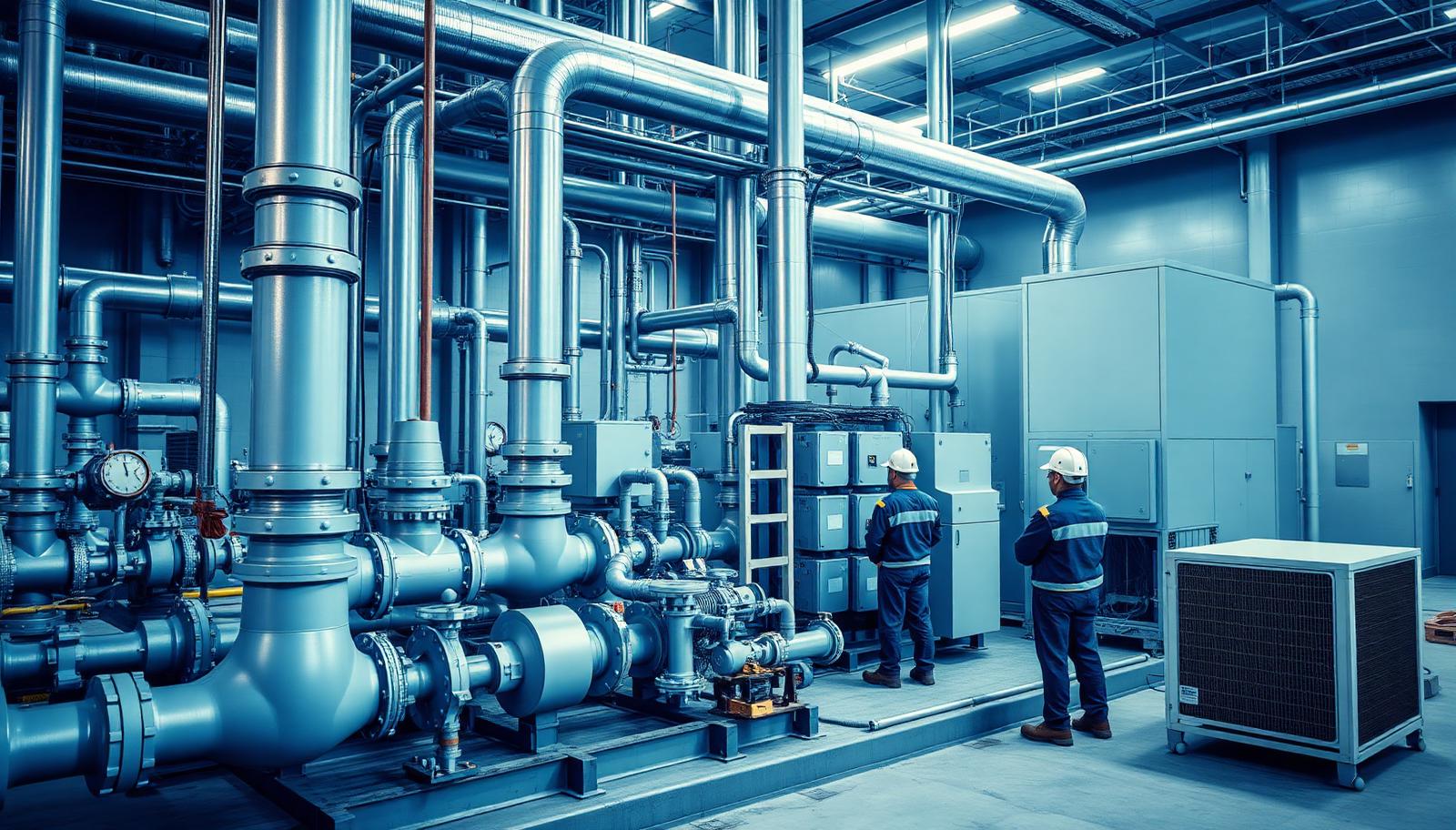
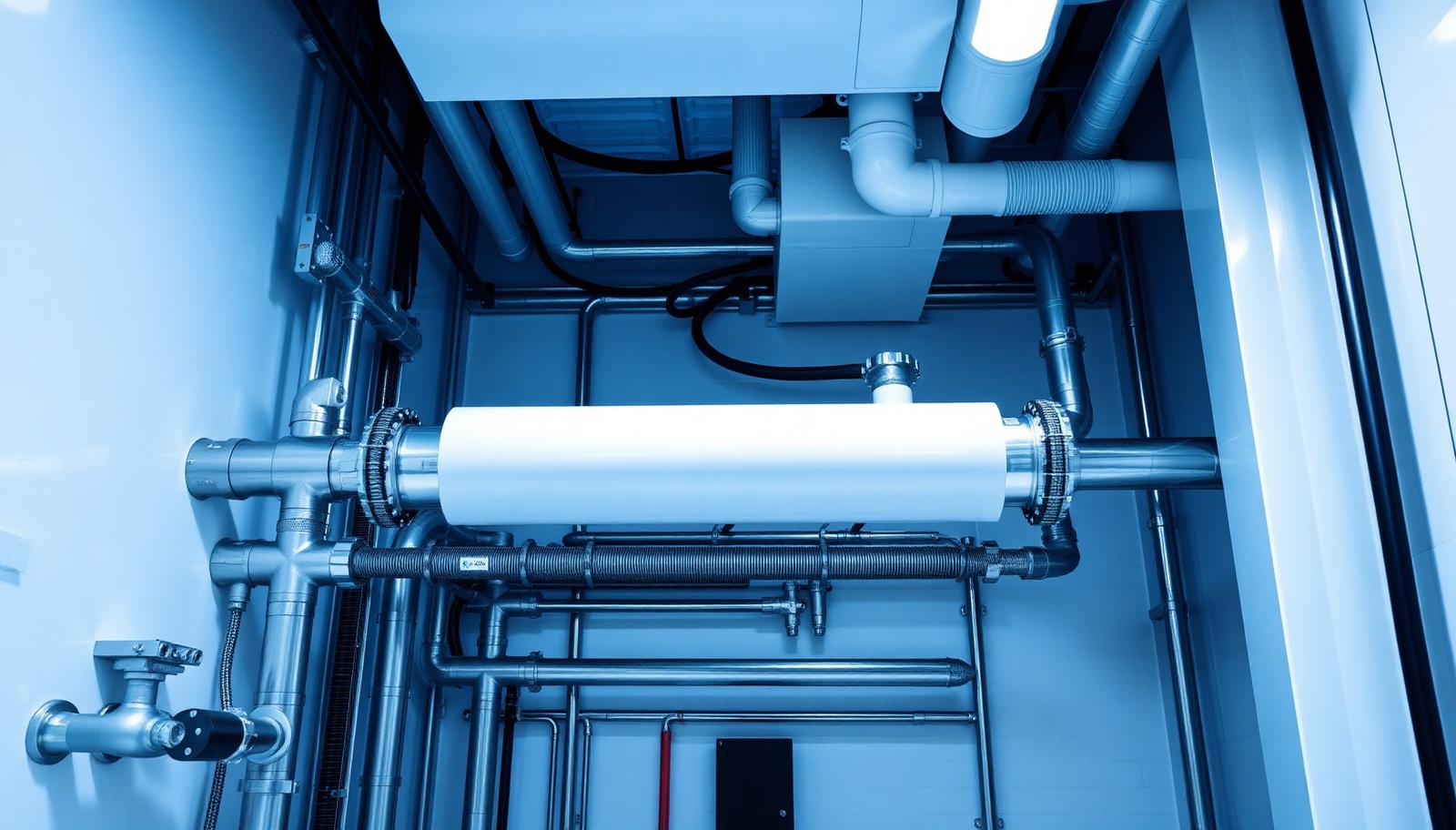
For most of data center history, chilled water piping stopped at the CRAH unit. Pipefitters ran supply and return lines to the mechanical room, and the air handled the rest. Liquid cooling has erased that boundary. In a modern AI data hall, the piping network extends from the central plant, through the white space, and up into the row, terminating at a cooling distribution unit (CDU) that bridges the facility water loop and the technology cooling loop feeding cold plates or immersion tanks.
That means fitters are no longer just running header pipe through a mechanical yard. They're threading supply and return lines through raised floors or overhead racks, tying into manifolds at the row, and fabricating secondary loops that have to hold tolerance a legacy chilled water system never needed. A joint that weeps slowly behind a CRAH unit is a maintenance ticket. A joint that weeps above a live GPU rack is a shutdown, and potentially a very expensive one.
Why Tolerance and Cleanliness Matter More Than Ever
Direct-to-chip and immersion systems circulate fluid inches from processors that throttle around 100 degrees C. Every fitting, weld, and flange in that loop has to meet a higher bar than a standard HVAC run:
- Particulate control. Liquid cooling loops are sensitive to debris. Pipe has to be cut, prepped, and closed out clean, with flushing and filtration built into the commissioning sequence, not treated as an afterthought.
- Leak detection integration. Fitters are now coordinating pipe routing with leak-sensing cable and drip trays as a single scope, not a piping job followed by a separate low-voltage job.
- Material selection under pressure. The right combination of stainless, copper, and engineered polymer pipe depends on the fluid, the pressure class, and the corrosion risk at that specific tie-in, and the decision has to hold up under a fast-tracked construction schedule.
- Serviceability. A CDU failure in a liquid-cooled row is a thermal event measured in minutes. Piping has to be laid out so isolation valves, unions, and quick-disconnects let a tech isolate a leg without dropping the whole row.
The Trend Reshaping the Piping Scope: Warmer Water, Fewer Chillers
One of the biggest shifts hitting data center mechanical design in 2026 is the move toward warm-water cooling. Next-generation GPU platforms are being spec'd to run on supply water in the 40 to 45 degrees C range rather than the 35 degrees C loops used by earlier liquid-cooled deployments. Warmer supply water can be rejected through dry coolers instead of mechanical chillers, cutting compressor energy out of the loop entirely on many builds.
For pipe fitting crews, that shift changes the job. Warm-water loops still need to be built to tight tolerances, but the piping scope now has to anticipate hybrid designs, where a facility runs chiller-backed loops for legacy air-cooled racks alongside chiller-less warm-water loops for the newest AI pods, in the same building, on the same schedule. Getting header sizing, valve placement, and loop segregation right at rough-in avoids a costly rework once the cooling architecture is finalized.
Supply Chain Pressure Is a Scheduling Problem, Not Just a Procurement One
CDU lead times and cooling component shortages have become a real constraint on data center construction timelines in 2026, as the industry consolidates around a smaller number of large equipment vendors. That has a direct effect on pipe fitting sequencing: crews increasingly have to rough in piping, headers, and isolation valves ahead of CDU delivery, then complete tie-ins on a compressed window once equipment lands on site. A mechanical contractor that can sequence pipe fitting around that reality, instead of around a static drawing set, is the difference between hitting a commissioning date and missing one.
What This Means for Choosing a Mechanical Contractor
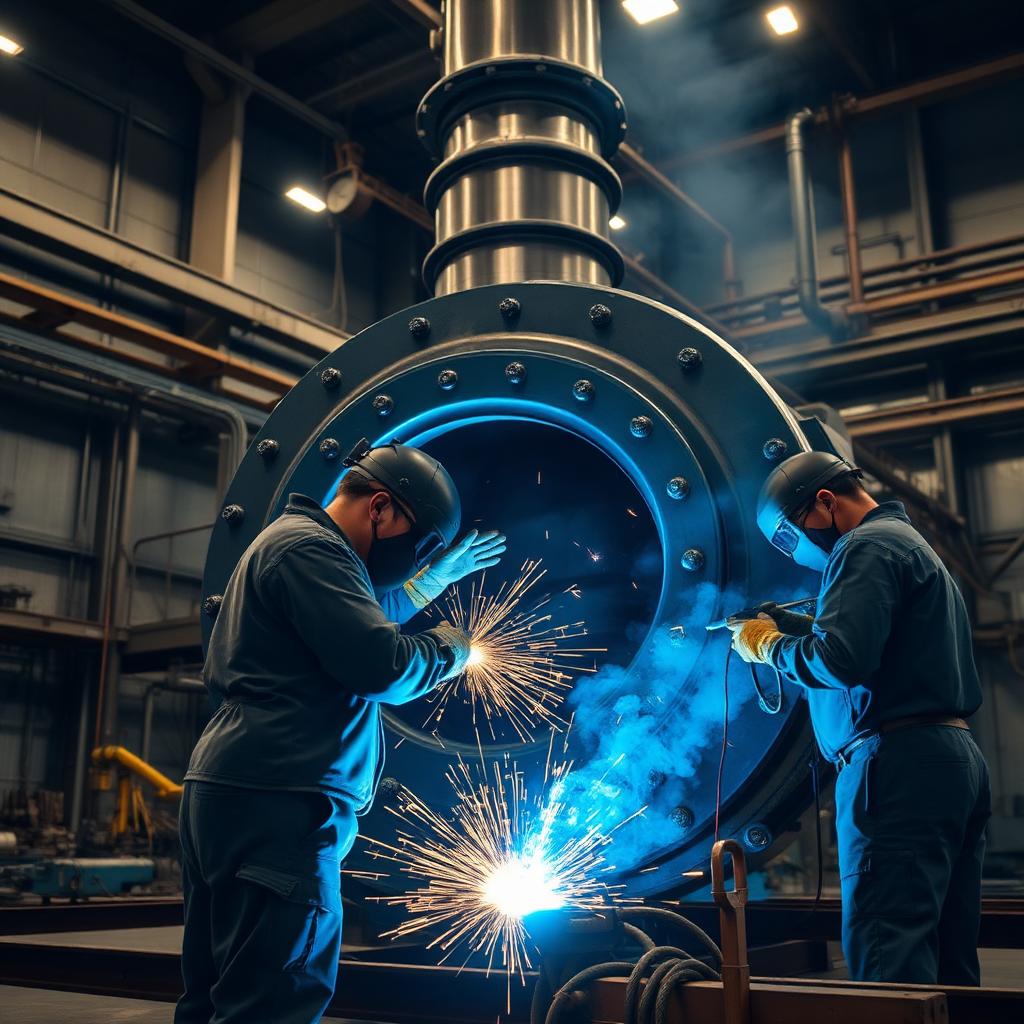
Data center pipe fitting isn't a generic plumbing scope anymore. It sits at the intersection of industrial mechanical contracting, precision fabrication, and critical-facility scheduling discipline. The crew doing this work needs to understand chilled water and CDU piping design, hold tight fit-up and weld standards, and coordinate tightly with electrical, controls, and general contracting teams working the same floor.
CREATE Industries brings 20+ years of industrial mechanical and fabrication experience to data center campus work through North Forge Contracting, currently building infrastructure for a data center campus with the same engineering discipline the team has applied to combustion, biogas, and energy infrastructure piping for two decades. Scoped tight, fabricated right, and delivered on schedule.
Related reading from CREATE Industries: Data Center Mechanical Contracting, Data Center Perimeter Security, what we do, and our industrial service capabilities.
FAQs: Data Center Pipe Fitting
What's the difference between traditional chilled water piping and liquid cooling piping in a data center?
Traditional chilled water piping typically stops at the CRAH unit and the air handles the rest. Liquid cooling piping extends into the row, terminating at a coolant distribution unit (CDU) that feeds cold plates or immersion tanks directly, which means it has to meet tighter cleanliness, pressure, and leak-detection standards than a standard HVAC run.
Why does pipe cleanliness matter more in a liquid-cooled data center?
Liquid cooling loops circulate fluid inches from processors that throttle around 100 degrees C, and CDUs and cold plates have tight internal tolerances. Debris or particulate left in the line during fabrication can restrict flow or foul equipment, so pipe has to be cut, prepped, and flushed to a higher standard than legacy chilled water work.
What pipe materials are used for CDU and liquid cooling loops?
The right material depends on the fluid, pressure class, and corrosion risk at each tie-in. Stainless steel, copper, and engineered polymer piping are all used across different segments of a facility loop and technology cooling loop, and the selection has to account for both performance and installation speed on a compressed schedule.
How does the shift to warm-water cooling affect pipe fitting scope?
Newer GPU platforms are being designed to run on supply water in the 40 to 45 degrees C range instead of 35 degrees C, which allows some facilities to reject heat through dry coolers instead of mechanical chillers. For pipe fitting crews, that often means building hybrid systems, chiller-backed loops for legacy air-cooled halls alongside chiller-less warm-water loops for AI pods, in the same building.
Why are CDU lead times a scheduling issue for pipe fitting crews?
CDU supply has been constrained as the market consolidates around a smaller group of equipment vendors. Crews increasingly have to rough in piping, headers, and isolation valves ahead of CDU delivery, then complete tie-ins on a compressed window once the equipment arrives on site.
Who should install pipe fitting for a data center cooling system?
A mechanical contractor with industrial pipe fitting experience, familiarity with liquid cooling tolerances, and the ability to coordinate tightly with electrical, controls, and general contracting teams on a live construction schedule, not a general plumbing subcontractor working off a static drawing set.
Planning a Data Center Mechanical Build?
Need a pipe fitting partner who understands liquid cooling loops? Talk to an engineer at CREATE Industries or call (251) 209-8127.
Talk to an Engineer