Early Works and Site Infrastructure Packages: The First 120 Days of a Data Center Campus
Hyperscale programs increasingly split delivery into an early works package, awarded months before the main building contract, because the first 120 days of sitework determine whether the entire campus schedule is real. For owners and developers evaluating a data center site infrastructure contractor, here is what that package contains and where it goes wrong.
What an Early Works Package Typically Covers
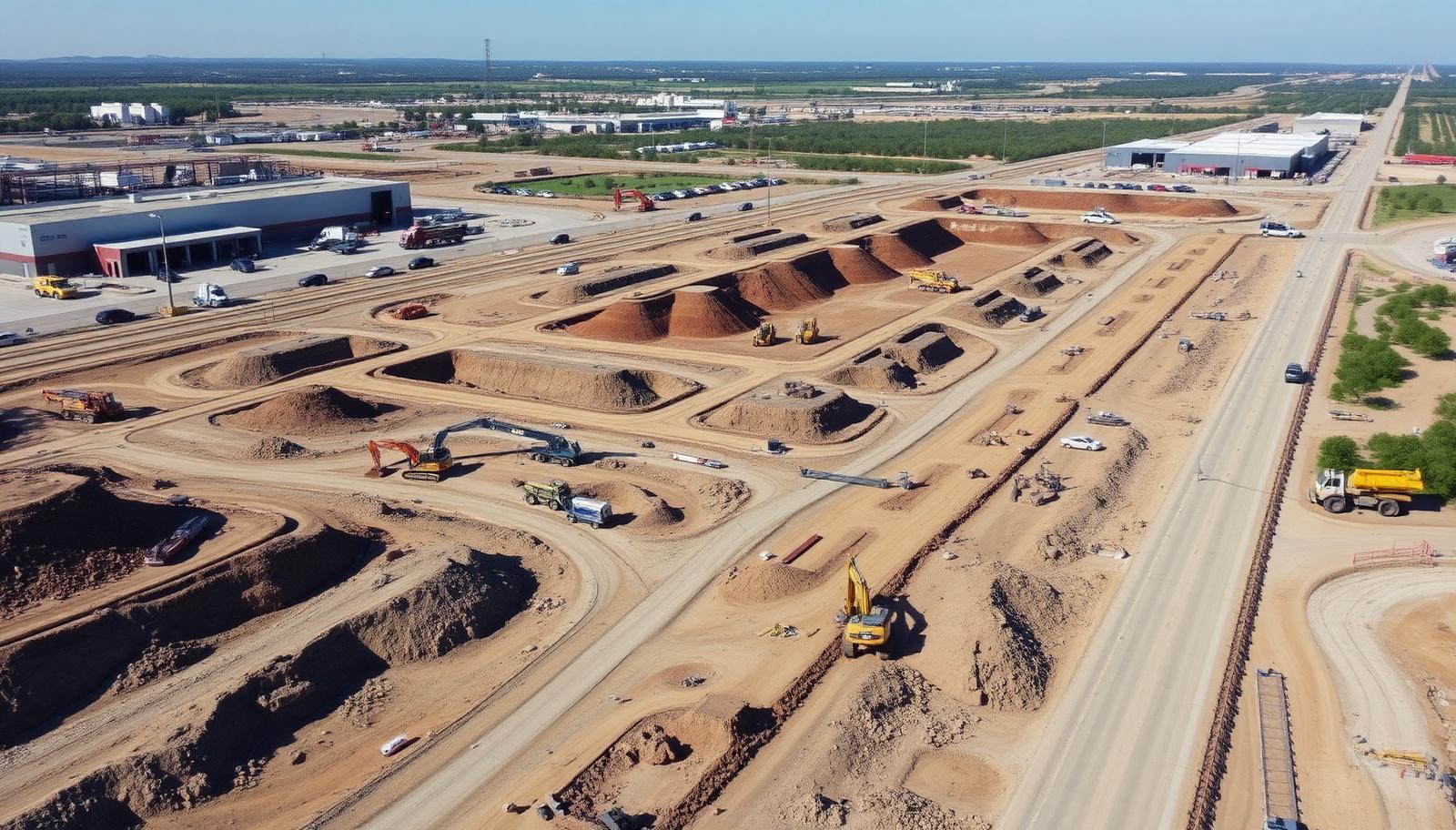
- Clearing, grubbing, mass grading, and erosion control across sites that often exceed 100 acres
- Stormwater systems, retention ponds, and outfalls sized for massive roof and pavement areas
- Utility corridors: water, sewer, gas, and the duct banks that will carry medium-voltage feeders
- Construction access roads, laydown yards, and craft parking that keep a 1,000-person peak workforce moving
- Construction power and temporary utilities
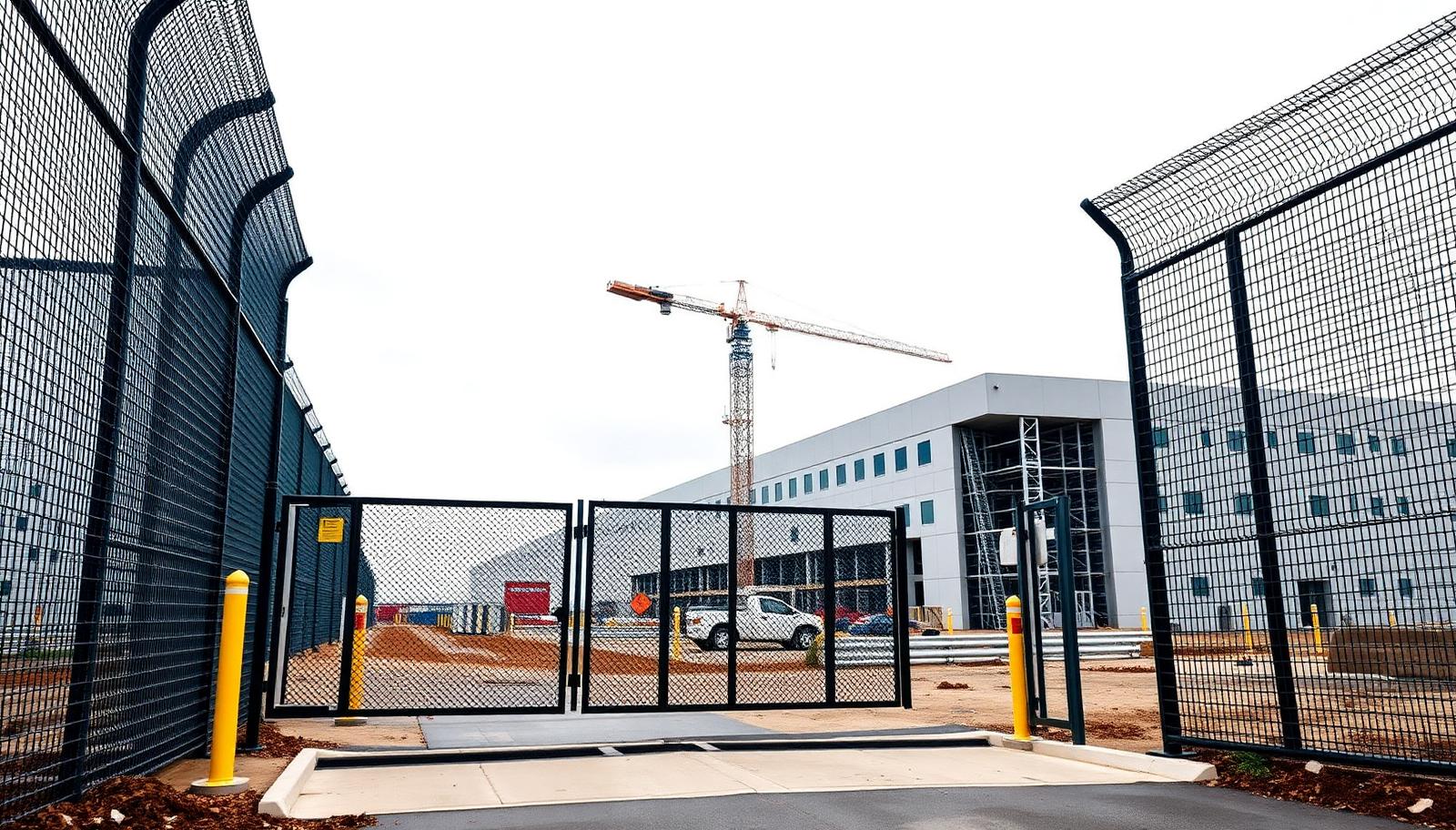
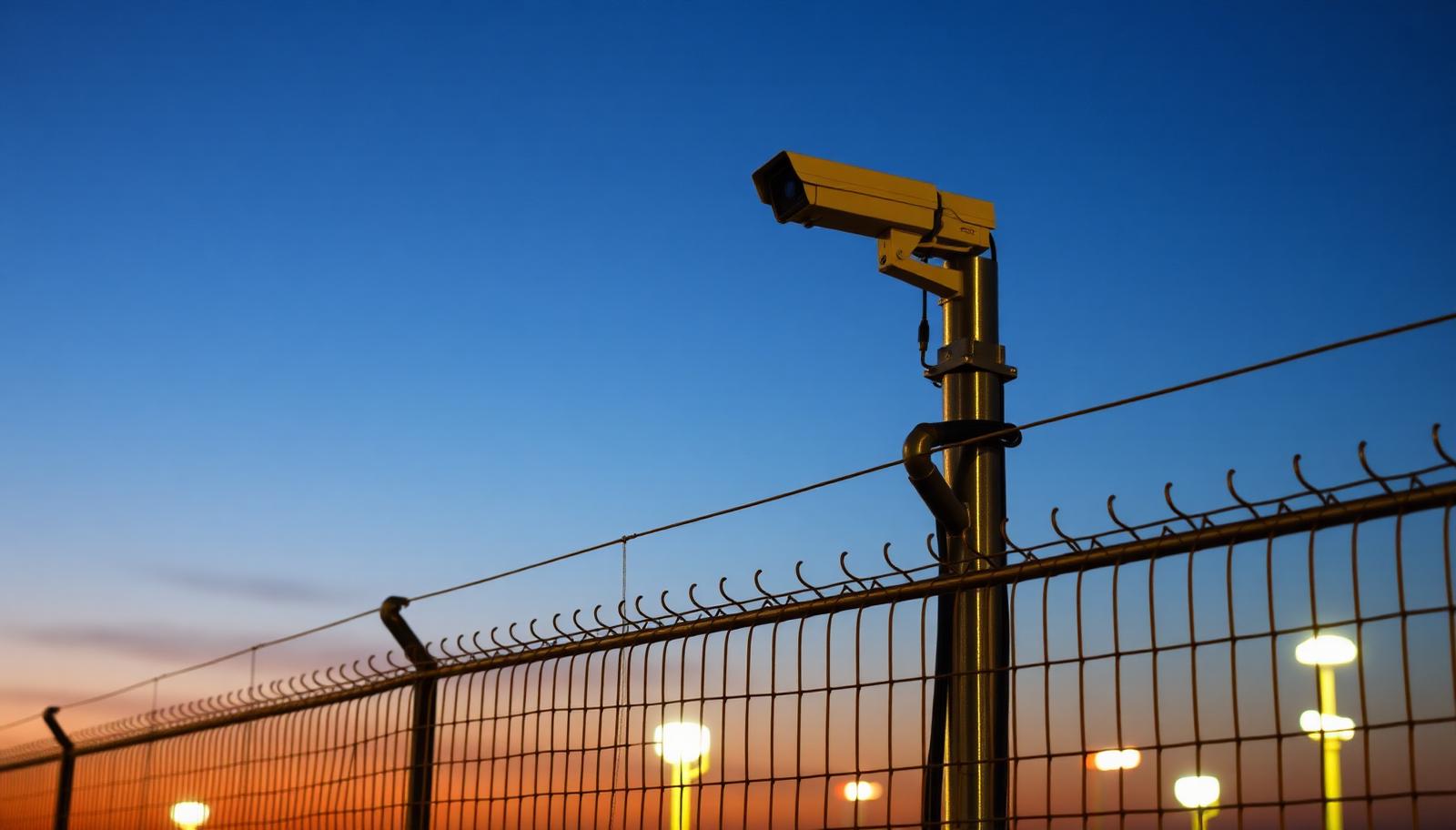
- Perimeter security: temporary fencing immediately, permanent anti-climb fence, gates, and vehicle barriers phased in
- Deep foundations or building pads released ahead of the main GC's mobilization
Why Owners Split It Out
Early works buys schedule certainty three ways. It moves weather-exposed earthwork to the front of the calendar. It lets long-lead utility and power coordination start while the main building is still in design. And it produces a de-risked, pad-ready site the building contractor can price tighter, unknown ground conditions are the classic source of claims, and early works flushes them out first.
The Coordination Burden Is the Job
Everything in an early works package fights for the same dirt: duct banks cross storm lines, fence foundations land on utility corridors, camera conduit shares trenches with lighting circuits. The contractors who excel run sitework like a manufacturing operation, one federated model, survey control everyone trusts, and daily deconfliction between civil, electrical, and security scopes. "General contracting with an engineering brain" is exactly the required temperament: scoped tight, subcontracted smart, delivered on schedule.
Questions to Ask an Early Works Bidder
- How do you sequence permanent perimeter security against construction logistics that need open gates?
- What is your plan for utility conflicts discovered after award, process, pricing, and turnaround time?
- Which scopes do you self-perform, and which do you broker?
- Show us a schedule from a past package: where did you lose days, and to what?
The Handoff That Makes or Breaks the Main Build
The deliverable is not graded dirt, it is a documented site: as-builts of every buried line, compaction and density reports, survey control, and commissioning records for anything energized. A clean handoff package is the difference between the main GC hitting the ground running and hitting your utilities with an excavator.
CREATE Industries delivers site and infrastructure packages for critical facilities through North Forge Contracting, with active data center campus work underway. From first clearing to a pad-ready, secured site, one accountable team. (251) 209-8127.
Related reading from CREATE Industries: Data Center Mechanical Contracting for AI Cooling, Data Center Perimeter Security Fencing, AI Camera Vision and Perimeter Surveillance, our services, and our products and projects.
FAQs: Early Works and Site Infrastructure
What does an early works package typically cover?
Clearing, grubbing, mass grading, and erosion control across sites that often exceed 100 acres, stormwater systems, retention ponds, and outfalls, utility corridors for water, sewer, gas, and duct banks carrying medium-voltage feeders, construction access roads, laydown yards, and craft parking, construction power and temporary utilities, perimeter security phased from temporary fencing to permanent anti-climb fence, gates, and vehicle barriers, and deep foundations or building pads released ahead of the main GC's mobilization.
Why do owners split out early works?
Early works buys schedule certainty three ways. It moves weather-exposed earthwork to the front of the calendar. It lets long-lead utility and power coordination start while the main building is still in design. And it produces a de-risked, pad-ready site the building contractor can price tighter, because unknown ground conditions are the classic source of claims.
What is the hardest part of an early works package?
Coordination. Everything fights for the same dirt: duct banks cross storm lines, fence foundations land on utility corridors, camera conduit shares trenches with lighting circuits. The contractors who excel run sitework like a manufacturing operation, with one federated model, survey control everyone trusts, and daily deconfliction between civil, electrical, and security scopes.
What questions should owners ask an early works bidder?
How do you sequence permanent perimeter security against construction logistics that need open gates? What is your plan for utility conflicts discovered after award, including process, pricing, and turnaround time? Which scopes do you self-perform, and which do you broker? Show us a schedule from a past package: where did you lose days, and to what?
What does a proper early works handoff include?
The deliverable is not graded dirt, it is a documented site: as-builts of every buried line, compaction and density reports, survey control, and commissioning records for anything energized.
From First Clearing to a Pad-Ready, Secured Site
Site and infrastructure packages for critical facilities, delivered by one accountable team. Call (251) 209-8127.
Talk to an Engineer