Fast-Track Data Center Construction: Delivering Mechanical Scope When the Schedule Refuses to Move
The AI buildout compressed data center delivery from 24+ months to as little as 12 to 18 for some programs, and the energization date is usually contractual, tied to customer commitments worth millions per month. On these projects the mechanical scope sits squarely on the critical path. Here is how disciplined teams deliver fast-track data center construction without trading away quality.
Design and Build in Parallel, Deliberately
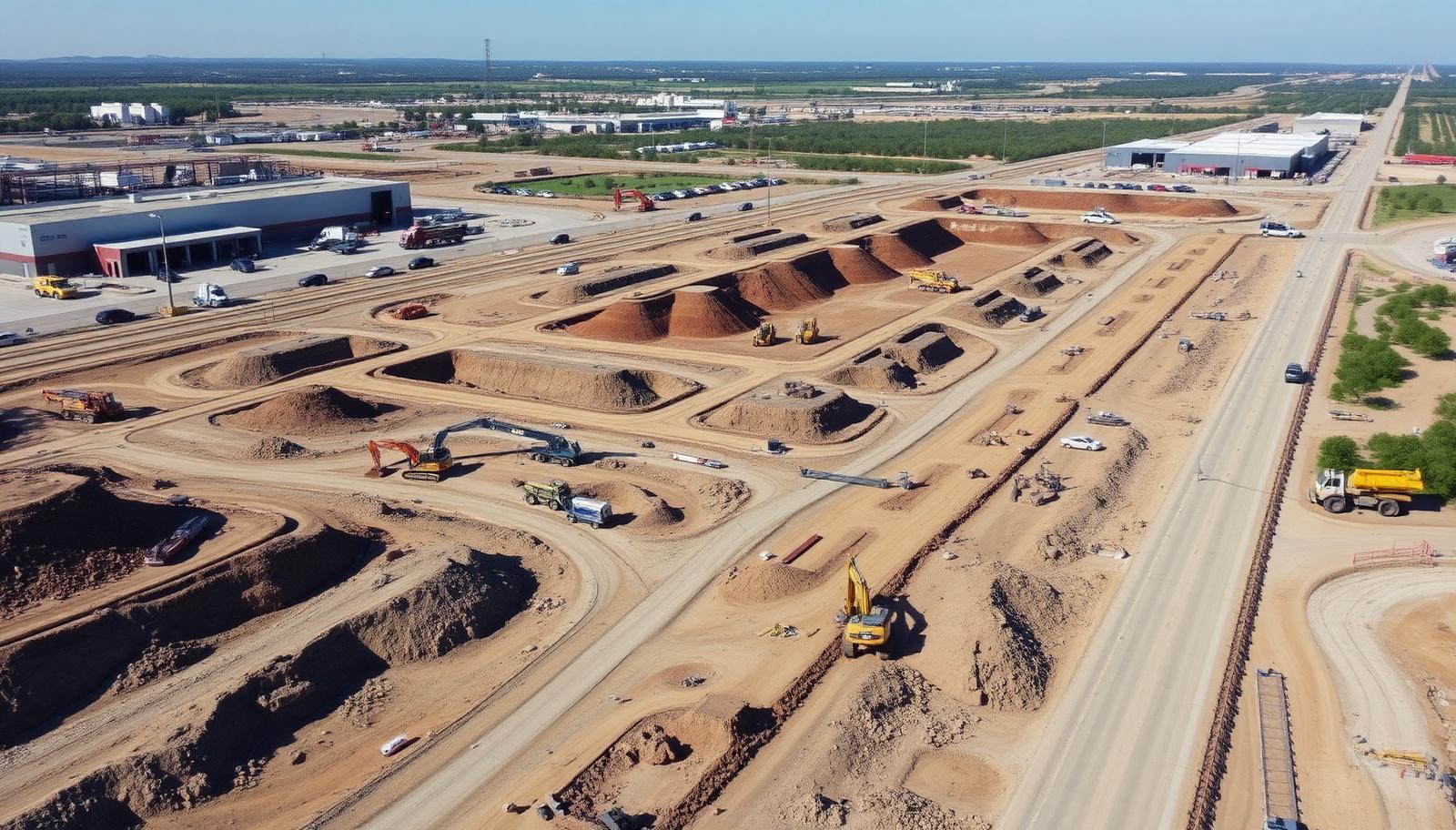
Fast-track means construction starts before design finishes. Done carelessly, that is a rework machine. Done well, it means releasing packages in a planned sequence, sitework, then structure, then long-lead mechanical equipment procurement, then piping fabrication, each frozen and released while the next matures. The mechanical contractor must be in the room during design assist, flagging constructability and lead-time risk before drawings are issued, not pricing surprises after.
Buy the Long-Lead Equipment First
Chillers, generators, switchgear, cooling towers, and CDUs can carry 30 to 70 week lead times. On a fast-track job, equipment procurement precedes design completion, which demands a contractor confident enough to lock selections early and engineer the systems around confirmed equipment, not placeholder cut sheets.
BIM-to-Fabrication or Bust
There is no time to draw things twice. The winning workflow is a federated LOD 400 model, clash-resolved with electrical and structural, feeding the fabrication shop directly. Spools, skids, and multi-trade racks arrive sequenced to the installation plan. Every hour of modeling saves multiples in the field, and on a compressed schedule, field hours are the scarcest resource on earth.
Stack the Work, Not the Trades
Fast-track sites fail when trades pile into the same space. The alternative is rigorous zone-based planning: the building divided into areas, each trade flowing through in sequence like a production line, percent-plan-complete tracked weekly. Prefabrication is the pressure valve, every assembly built offsite is congestion removed from the floor.
Commission in Parallel, Not at the End
On a compressed schedule, commissioning cannot be a phase that starts when construction ends. Level 3 checks trail installation zone by zone; functional testing begins in completed areas while work continues elsewhere; integrated systems testing is planned from day one with load banks reserved months ahead. The mechanical contractor's Cx attitude, partner or adversary, is worth weeks either way.
Protect Quality Where It Can't Be Rebuilt
Speed pressure concentrates risk in welds, flushing, and testing, the invisible work. The rule on elite fast-track jobs is simple: schedule flexes everywhere except documented quality gates. A leak above a live hall costs more than any week ever saved.
CREATE Industries was built for this: engineering, fabrication, and field installation under one roof, moving from concept to commissioned with unmatched speed, and standing behind it with 24/7 service. If your date can't move, call (251) 209-8127.
Related reading from CREATE Industries: Data Center Mechanical Contracting for AI Cooling, Data Center Pipe Fitting and Cooling Loop Precision, Early Works and Site Infrastructure Packages, our services, and our products and projects.
FAQs: Fast-Track Data Center Construction
What does fast-track data center construction actually mean?
Fast-track means construction starts before design finishes. Packages are released in a planned sequence: sitework, then structure, then long-lead mechanical equipment procurement, then piping fabrication, each frozen and released while the next matures. Done carelessly it is a rework machine, done well it protects an energization date that is usually contractual.
Why does equipment procurement come before design completion?
Chillers, generators, switchgear, cooling towers, and CDUs can carry 30 to 70 week lead times. On a fast-track job that means locking selections early and engineering the systems around confirmed equipment, not placeholder cut sheets.
How important is BIM on a compressed schedule?
There is no time to draw things twice. The winning workflow is a federated LOD 400 model, clash-resolved with electrical and structural, feeding the fabrication shop directly, with spools, skids, and multi-trade racks arriving sequenced to the installation plan.
How do you keep trades from stacking on a fast-track site?
Rigorous zone-based planning: the building divided into areas, each trade flowing through in sequence like a production line, with percent-plan-complete tracked weekly. Prefabrication is the pressure valve, every assembly built offsite is congestion removed from the floor.
When should commissioning start on a fast-track project?
Not at the end. Level 3 checks trail installation zone by zone, functional testing begins in completed areas while work continues elsewhere, and integrated systems testing is planned from day one with load banks reserved months ahead.
What should never flex for schedule?
Quality gates. Speed pressure concentrates risk in welds, flushing, and testing, the invisible work. The schedule flexes everywhere except documented quality gates, because a leak above a live hall costs more than any week ever saved.
If Your Date Can't Move, Neither Do We
Engineering, fabrication, and field installation under one roof, from concept to commissioned. Call (251) 209-8127.
Talk to an Engineer