RNG and Biogas Incentives in 2026: What's Changed and What It Means for Equipment Investment
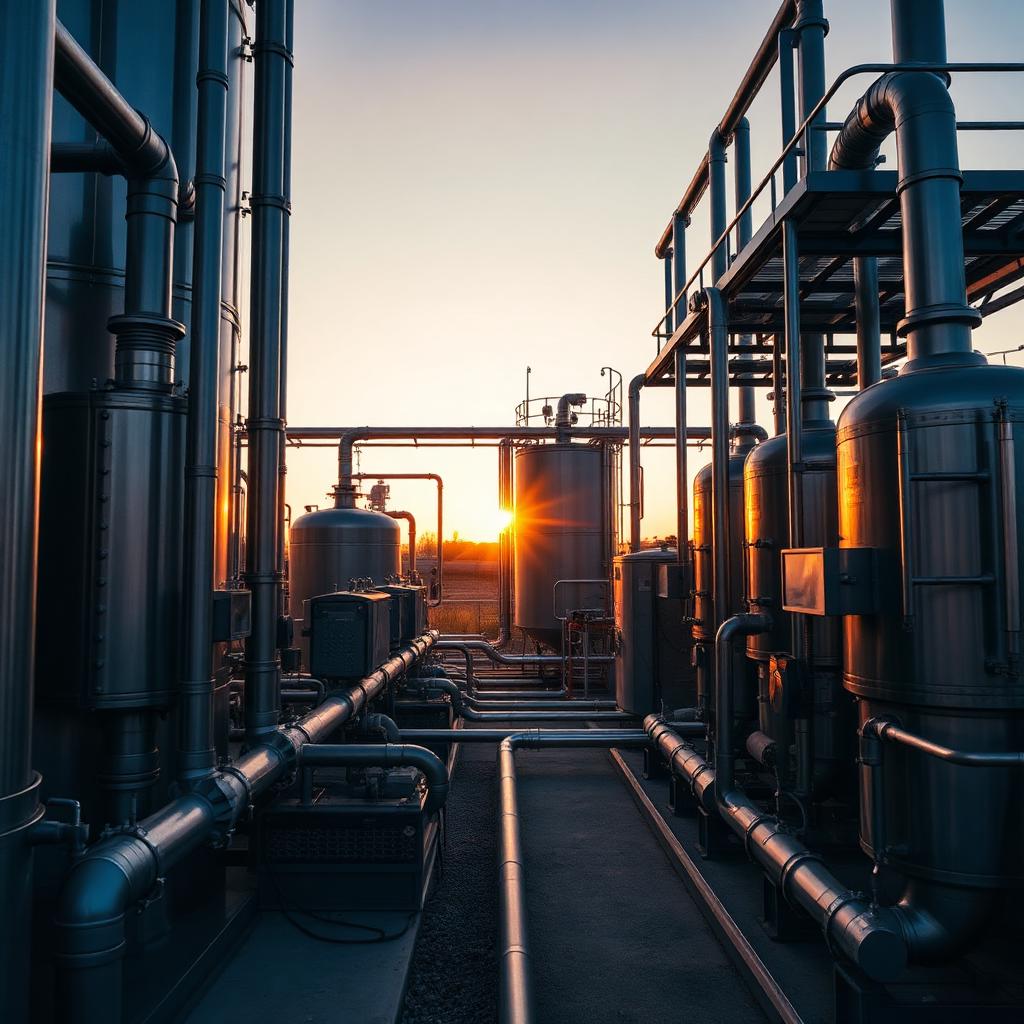
The economics of a biogas or renewable natural gas (RNG) project have always depended on more than gas prices. They depend on the layered stack of federal tax credits, state and provincial programs, and pipeline injection standards that determine whether captured methane is worth conditioning and selling, or simply flaring off. That stack shifted meaningfully heading into 2026, and operators evaluating new digesters, landfill gas capture systems, or conditioning skids need an updated picture before committing capital.
Why the incentive landscape is worth revisiting now
Biogas and RNG projects are capital-intensive and long-lived. A conditioning and injection system installed today needs to make financial sense not against this year's credit values, but against a decade or more of production. When federal tax policy shifts (as US clean energy credit structures have in recent budget legislation, and as Canadian carbon pricing and clean fuel programs continue to evolve) the projects that get funded are the ones where the underlying operator did the work to understand which credits actually apply to their facility type, feedstock, and end use, rather than assuming yesterday's incentive stack still holds.
The US side: production credits, investment credits, and RNG-specific rules
US biogas and RNG projects have historically drawn on a mix of production tax credits for renewable electricity generated from biogas, investment tax credits for qualifying equipment, and RNG-specific pathways under the Renewable Fuel Standard that generate Renewable Identification Numbers (RINs) when pipeline-quality gas displaces conventional natural gas or diesel in transportation use. Recent federal budget legislation has adjusted eligibility windows and technology-neutral credit structures for clean energy projects broadly, which has direct implications for how a landfill gas-to-RNG project or an agricultural digester is financed.
Operators should treat credit eligibility as something to verify project-by-project with current guidance rather than assuming a prior year's credit structure carries forward unchanged. The gap between "this project pencils" and "this project doesn't" is often exactly the size of a shifting credit percentage.
The Canadian side: carbon pricing meets clean fuel policy
In Canada, RNG and biogas projects benefit from a different combination of levers. The federal Clean Fuel Regulations create demand for low-carbon-intensity fuels, including RNG, by requiring fuel suppliers to reduce the carbon intensity of the fuels they sell, a structure that generates compliance credits RNG producers can sell into that market. Layered on top of that is the industrial carbon pricing system: a biogas facility that reduces methane venting or flaring by conditioning and injecting gas instead is directly improving its emissions-intensity position under the OBPS or the relevant provincial system, which now carries a clearer multi-year price signal following the 2026 benchmark update.
For Canadian operators, the investment case for a biogas conditioning skid increasingly rests on stacking Clean Fuel Regulation credit value with OBPS compliance value, two revenue and cost-avoidance streams that did not always align this cleanly in earlier program years.
What this means for conditioning equipment specifically
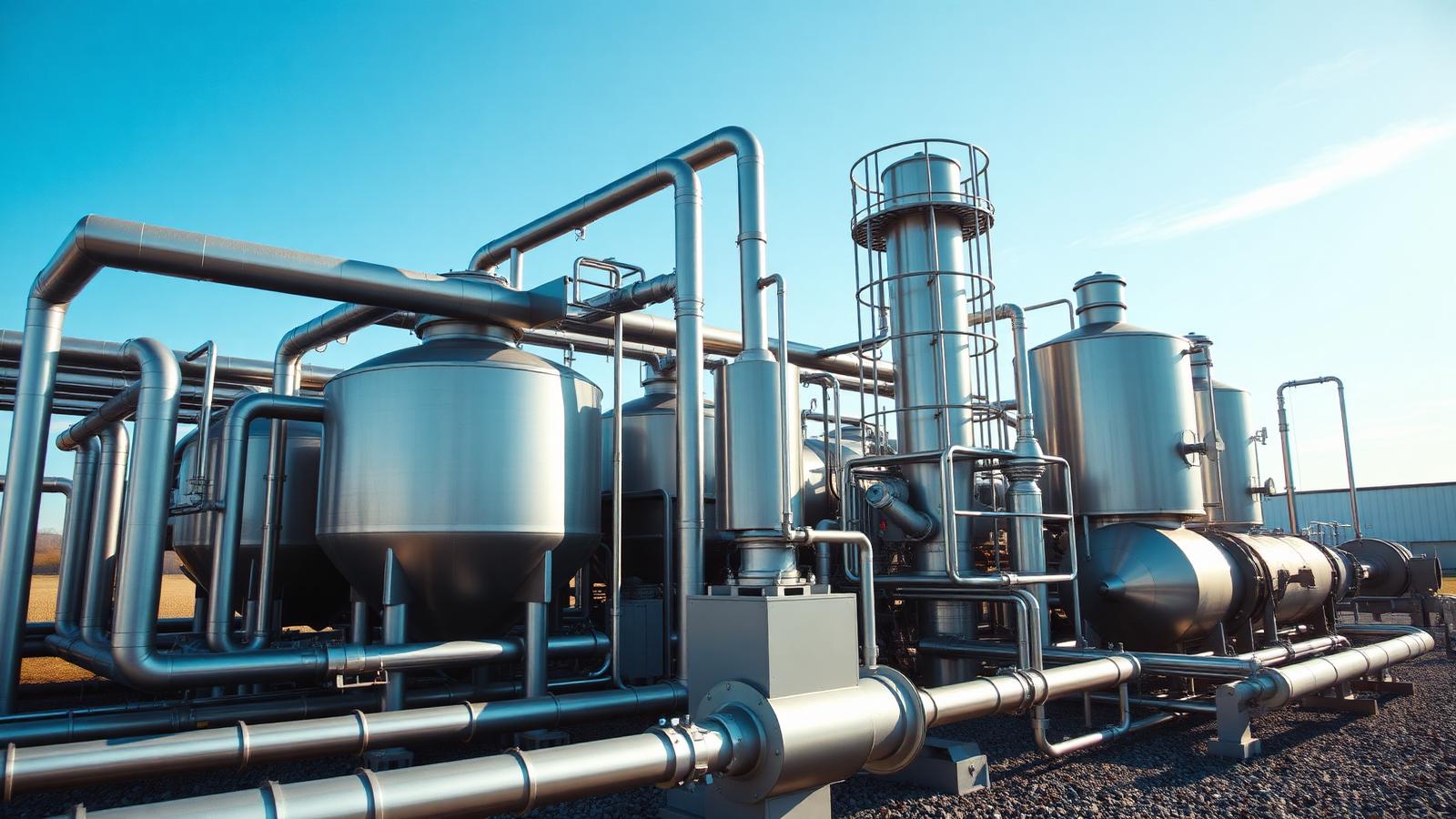
Whether the gas is headed to pipeline injection in the US or Canada, the conditioning equipment (moisture removal, hydrogen sulfide and siloxane removal, CO2 separation, and compression) has to meet the receiving pipeline's gas quality tariff, which varies by pipeline operator and region. Getting this wrong does not just cost efficiency; it can mean gas gets rejected at the injection point after the capital has already been spent. Operators should be specifying conditioning systems against the actual tariff of the pipeline they intend to inject into, not a generic industry assumption about gas quality, and should be doing that specification work early enough that it shapes digester and capture design, not just the back-end skid.
A practical approach for 2026 project planning
Before committing capital to a new digester, landfill gas capture system, or RNG conditioning skid, operators should map the full incentive stack specific to their project type and location: federal tax credits, RIN generation potential in the US, Clean Fuel Regulation credits and OBPS positioning in Canada, and any state or provincial program layered on top. That stack should be modeled conservatively, since credit structures have shown a pattern of adjustment across recent budget cycles on both sides of the border. Pipeline injection standards should be confirmed with the receiving utility before conditioning equipment is finalized, not after. And projects should be evaluated on total lifecycle economics (capital cost, conditioning efficiency, credit revenue, and avoided compliance cost) rather than any single incentive in isolation, since it is the combination that determines whether a project clears its hurdle rate.
The incentive environment for biogas and RNG remains genuinely favorable across North America, but it rewards operators who do the homework on current program mechanics rather than those working from a two-year-old assumption about what a project is worth. A conditioning system engineered correctly the first time, against the right pipeline tariff and the right credit stack, is the difference between a project that clears its return threshold and one that quietly underperforms for the next fifteen years.
Related reading from CREATE Industries: Biogas Conditioning for RNG Pipeline Injection, Canada's 2026 Carbon Pricing Reset, and our biogas and RNG service capabilities.
Frequently Asked Questions
What incentives are available for RNG projects in the US?
US projects can typically draw on a mix of federal production and investment tax credits for qualifying clean energy equipment and RIN generation under the Renewable Fuel Standard when pipeline-quality RNG displaces conventional fuel. Eligibility has shifted with recent budget legislation, so current guidance should be verified project-by-project.
How do Canada's Clean Fuel Regulations support biogas projects?
The regulations require fuel suppliers to reduce the carbon intensity of fuels they sell, which creates demand for low-carbon-intensity fuels like RNG and generates compliance credits that RNG producers can sell into that market.
Can a Canadian biogas project benefit from both Clean Fuel Regulation credits and OBPS positioning?
Yes. Reducing methane venting or flaring by conditioning and injecting gas improves a facility's emissions-intensity position under industrial carbon pricing while also generating separate Clean Fuel Regulation credit value, two distinct revenue and cost-avoidance streams.
Why would pipeline-quality gas get rejected at the injection point?
Every receiving pipeline has its own gas quality tariff covering moisture, hydrogen sulfide, siloxanes, and other constituents. Conditioning equipment specified against a generic industry assumption rather than the actual receiving tariff can produce gas that does not meet the specific pipeline's requirements.
Should conditioning equipment be specified before or after digester design is finalized?
Before, ideally. Pipeline tariff requirements should inform digester and gas capture design early, since retrofitting conditioning capacity after the fact is more expensive than designing to the target tariff from the start.
How often do RNG incentive programs change?
Both US and Canadian programs have adjusted meaningfully across recent budget and regulatory cycles. Incentive assumptions used in a project's financial model should be revisited at each major investment decision point rather than treated as fixed for the life of the project.
Planning an RNG or Biogas Project?
CREATE Industries designs, fabricates, and services biogas conditioning skids, H2S removal systems, and pipeline injection equipment for facilities across the US and Canada. Offices in Kennesaw, GA and Mobile, AL. 24/7 emergency response.
Talk to an Engineer