Selective Catalytic Reduction and NOx Control: A North American Operator's Guide to Combustion Emissions
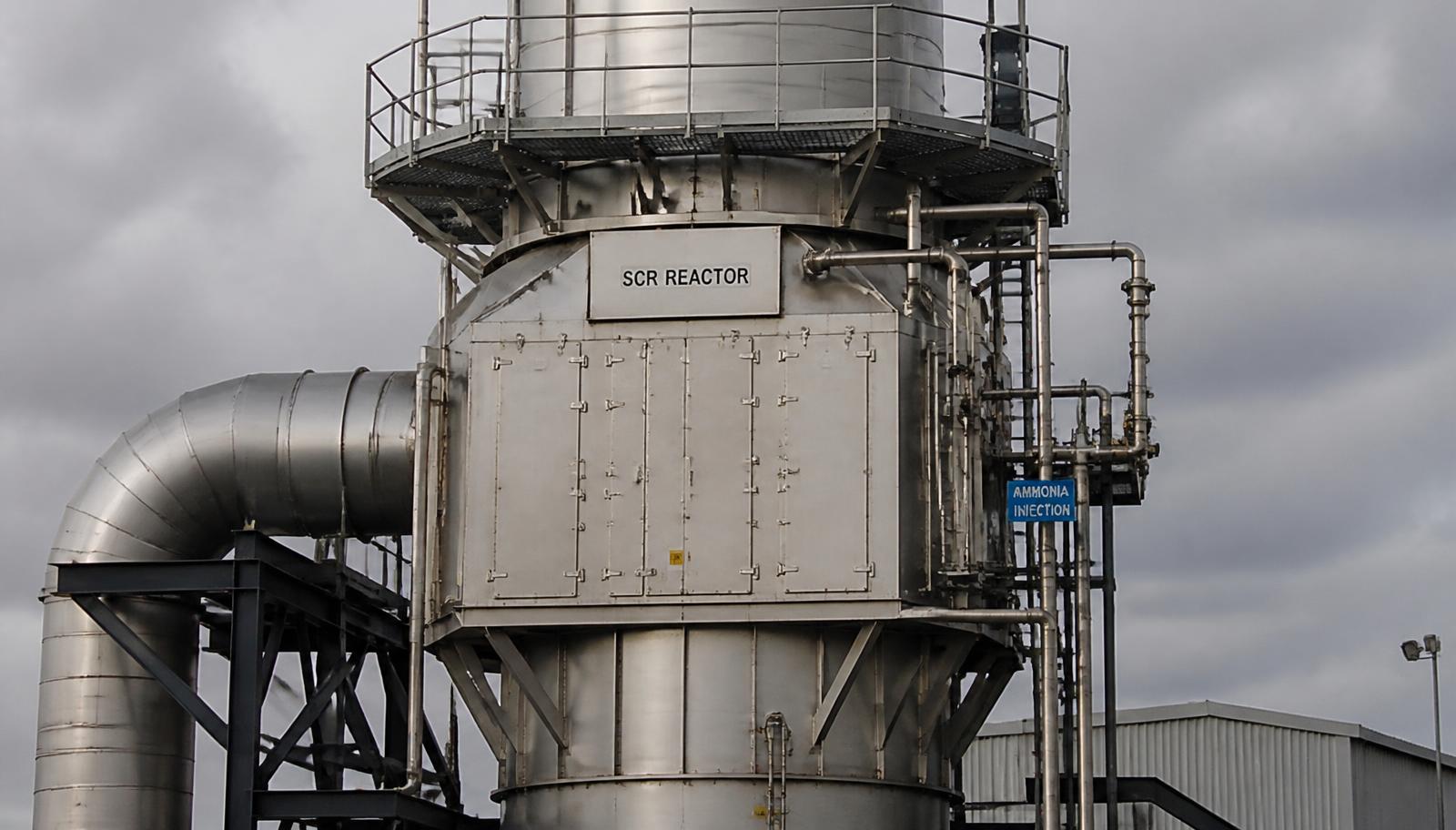
Thermal oxidizers, RTOs, and flares tend to dominate the conversation around industrial combustion emissions, but nitrogen oxides, or NOx, present a distinct compliance challenge that a well-run thermal destruction system does not automatically solve, and can sometimes make worse. As NOx limits tighten across US state permitting programs and Canadian provincial regulations, more operators are evaluating selective catalytic reduction and related NOx control technologies not as an exotic add-on, but as a standard part of the combustion emissions package for any facility running gas turbines, large industrial burners, or high-temperature combustion equipment.
Why NOx control is a different problem than VOC or methane destruction
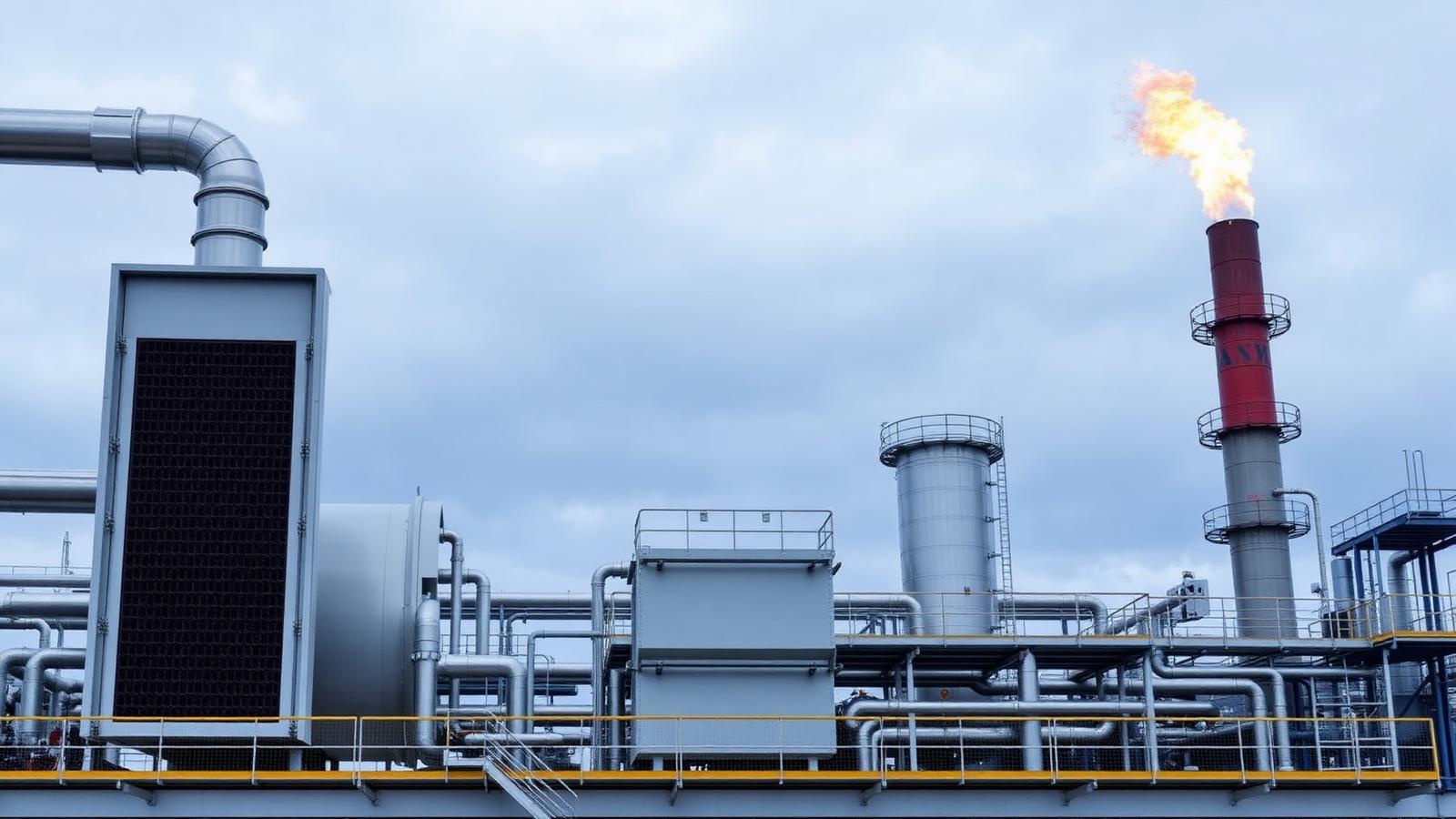
Thermal oxidizers and flares are, at their core, designed to destroy volatile organic compounds and other combustible pollutants at very high temperatures, and they do that job well. But high combustion temperatures are also exactly the condition that promotes thermal NOx formation, meaning a system optimized purely for VOC or methane destruction efficiency can generate more NOx as a byproduct of the very conditions that make it effective at its primary job. This creates a genuine engineering trade-off: the temperature and residence time that drive destruction efficiency upward can drive NOx formation upward as well, and a facility that only measures success against its primary pollutant target can be caught off guard by a NOx permit exceedance.
This is precisely why NOx control frequently requires its own dedicated technology and monitoring approach layered onto or downstream of the primary combustion system, rather than being treated as an automatic byproduct benefit of good thermal oxidizer or flare performance.
How selective catalytic reduction works, in practical terms
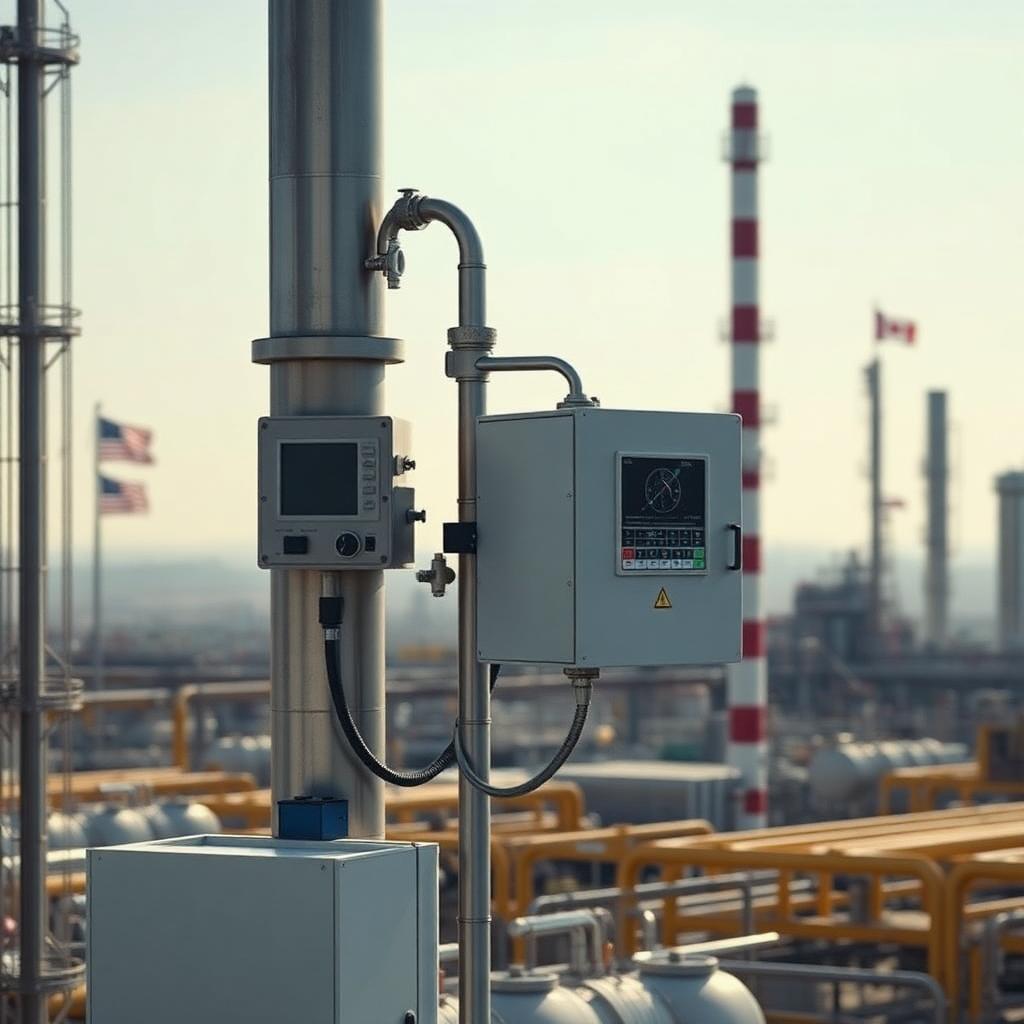
Selective catalytic reduction systems inject a reagent, typically ammonia or urea-based, into the flue gas stream upstream of a catalyst bed, where the reagent reacts with NOx to convert it into nitrogen and water vapor rather than allowing it to exit the stack. Done correctly, SCR can achieve very high NOx reduction rates, which is why it has become the default technology for facilities facing the tightest NOx permit limits, including many gas turbine and large boiler installations across North America.
The practical challenges in SCR operation center on reagent injection control, since both under-dosing and over-dosing create problems: under-dosing fails to hit the required NOx reduction, while over-dosing creates ammonia slip, where unreacted reagent itself becomes a secondary emissions and operational problem, including catalyst fouling and the formation of ammonium salts that can damage downstream equipment. Getting reagent injection control right requires the SCR system to be integrated closely with the facility's combustion control system, not bolted on as an isolated piece of end-of-pipe equipment.
Selective non-catalytic reduction as a lower-cost alternative
For facilities that do not require the highest achievable NOx reduction rates, selective non-catalytic reduction offers a lower capital cost alternative that injects a similar reagent directly into a specific high-temperature zone of the combustion process without a catalyst bed. SNCR typically achieves meaningfully lower NOx reduction than SCR, but at substantially lower capital and operating cost, making it a reasonable fit for facilities whose permit limits do not require SCR-level performance. Choosing between the two technologies should be driven by the facility's actual permit limit and margin, not by defaulting to whichever technology a given equipment supplier happens to specialize in.
Retrofitting NOx control onto existing combustion systems
Many North American facilities operating older thermal oxidizers, boilers, or gas turbines installed before current NOx limits took effect are now facing retrofit decisions rather than new build decisions. Retrofitting SCR or SNCR onto existing equipment is more constrained than designing it in from the start, since available space for a catalyst bed, ductwork routing for reagent injection, and existing control system integration all have to work within a facility's current physical footprint. This is where working with a fabricator who can engineer the retrofit around the actual existing equipment and site constraints, rather than proposing a standardized package designed for new construction, tends to produce a system that actually fits and performs as specified.
Bringing NOx into the same compliance conversation as VOC and methane
The facilities managing combustion emissions most effectively across North America are treating NOx control as part of the same integrated compliance strategy as VOC destruction, methane control, and CEMS monitoring, rather than as a separate problem handled by a different team or a different vendor relationship. A thermal oxidizer or flare system engineered with NOx formation in mind from the design stage, rather than discovering a NOx exceedance after the fact and retrofitting a fix, saves both capital cost and permitting friction over the life of the facility.
Related reading from CREATE Industries: RTO vs RCO vs Flare for VOC Abatement, CEMS Compliance in North America, and our thermal oxidizer and combustion service capabilities.
FAQs
Can a thermal oxidizer create a NOx problem while solving a VOC problem?
Yes. High combustion temperatures that improve VOC and methane destruction efficiency also promote thermal NOx formation, so a system optimized purely for destruction efficiency can increase NOx output as a side effect.
What is the difference between SCR and SNCR?
SCR uses a catalyst bed to achieve very high NOx reduction rates at higher capital cost, while SNCR injects reagent directly into a high-temperature combustion zone without a catalyst, achieving lower reduction rates at substantially lower cost.
What is ammonia slip, and why does it matter?
Ammonia slip occurs when SCR or SNCR reagent is over-dosed and passes through unreacted. It creates its own emissions and operational problems, including catalyst fouling and ammonium salt formation that can damage downstream equipment.
Is it harder to add NOx control to an existing facility than to a new one?
Generally, yes. Retrofits are constrained by existing physical space, ductwork routing, and control system integration, and tend to perform best when engineered around the facility's actual constraints rather than a standardized new-construction package.
Should NOx control be planned separately from VOC and methane compliance?
No. The strongest-performing facilities plan NOx control as part of the same integrated compliance strategy as VOC destruction, methane control, and CEMS monitoring, rather than treating it as a separate, later add-on.
Plan NOx Control Before It Becomes an Exceedance.
CREATE Industries engineers, fabricates, and services combustion and emission control systems for facilities across North America, including retrofits built around your existing footprint. Offices in Kennesaw, GA and Mobile, AL. 24/7 emergency response.
Talk to an Engineer